
Need a refill or a new prescription and want it delivered? Online pharmacies can save time and money — but some are risky. This page gives clear, practical steps to pick a safe pharmacy, protect your health, and avoid scams.
Start with the basics: look for a visible business name, street address, and phone number. A legit pharmacy usually asks for a prescription for prescription-only drugs. Check for site security (https and a padlock icon) before entering payment details. Scammers often hide contact info, avoid prescriptions, or pressure you to buy fast — that’s a red flag.
Verify licensing. In the U.S. you can check the state board of pharmacy; in Canada check provincial licensing. Many trustworthy sites show seals from regulators or verification services — but click the seal to confirm it links to the official verifier, not just an image.
Price differences are normal, but extremely low prices often mean counterfeit medicine or wrong dosages. Look for clear descriptions of the product: active ingredient, strength, manufacturer, and expiration date. If a site lists only brand names without generic info, be cautious.
Shipping and packaging matter. Reputable pharmacies use discreet, tamper-evident packaging and provide tracking numbers. Check shipping times and return policies before you buy. If you need meds fast, compare expressed-delivery options and possible customs delays for international orders.
Payment safety: choose sites that accept secure card payments or trusted gateways. Avoid sellers that ask for direct wire transfers or cash-only deals. Keep receipts and order confirmations in case you need to dispute a charge or report a problem.
Read recent user reviews but treat them carefully. Look for consistent reports about delivery speed, product quality, and customer service. One bad review doesn’t prove a scam, but many similar complaints do.
If you have questions about interactions or side effects, contact your doctor or pharmacist before ordering. Online pharmacies should offer a way to consult with a licensed pharmacist; if they don't, think twice about using them for complex or high-risk medications.
Special note for cross-border purchases: Canadian pharmacies are popular for savings, but customs rules and import limits vary. Make sure the seller follows export laws and that your country allows personal imports of the medication you need.
Final quick checklist: verified license, prescription required, clear product info, secure payment, tracking available, reasonable price, and clear return policy. Follow these steps and you’ll reduce risk and get reliable meds when you need them.

Discover how pharmaceutical companies use 'authorized generics' to maintain market share and revenue after their drug patents expire.
Medication synchronization aligns all monthly refills to one date, preventing dangerous therapy gaps for complex regimens. Learn practical steps, eligibility criteria, and real-world impact on adherence.

Learn how online pharmacy counseling helps you find affordable generic medication alternatives. Expert guide on platforms, safety, costs, and benefits.
Generic drugs contain the same active ingredients as brand-name versions and carry the same risk of drug interactions. Scientific evidence and regulatory data confirm they are equally safe and effective.
Pharmacists must stay current on generics to ensure safe substitutions, navigate complex regulations, and avoid errors. Learn how CE requirements, FDA guidelines, and state laws shape daily practice.
Generic substitution saves money, but how pharmacies are paid for it is broken. PBMs profit from hidden pricing, independent pharmacies are closing, and patients are losing access. Here’s how reimbursement rules are shaping drug costs.
Specialists often choose brand-name drugs over cheaper alternatives because of limited treatment options, patient safety concerns, and systemic barriers. Here's why specialty prescribing remains dominated by high-cost medications.
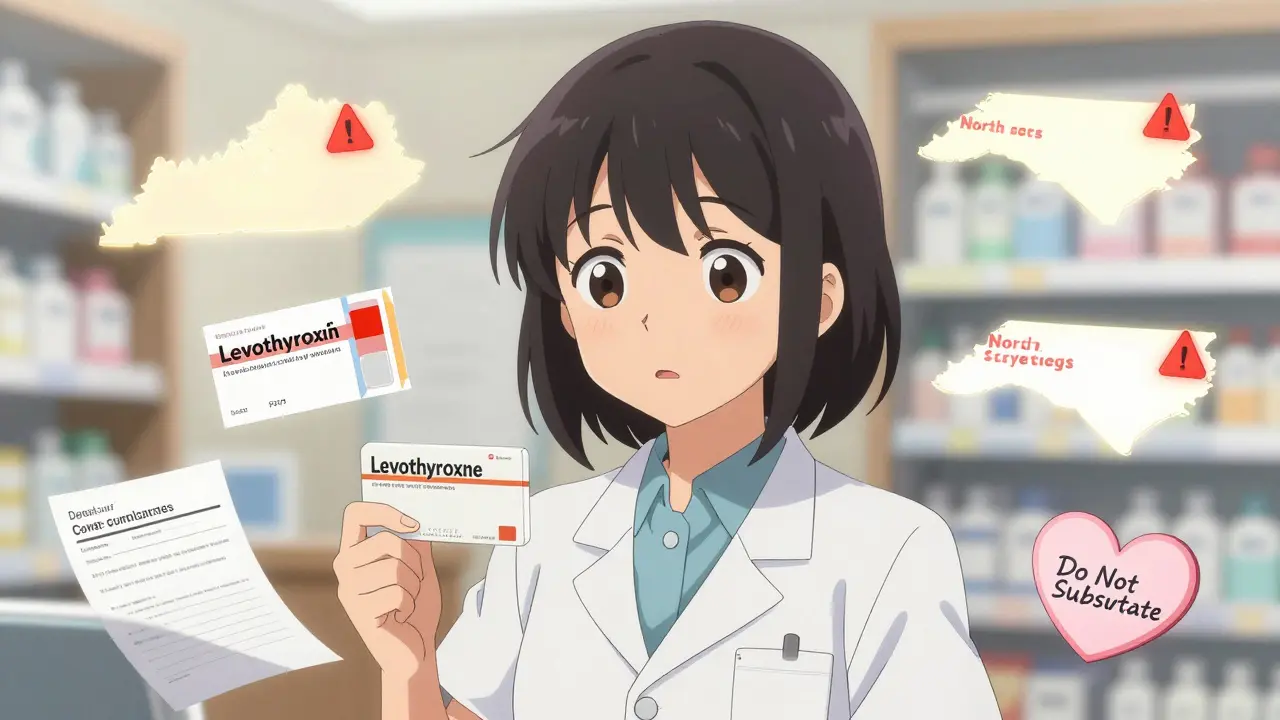
Twenty-seven U.S. states have special rules restricting generic substitution for narrow therapeutic index (NTI) drugs like warfarin, levothyroxine, and lithium. These laws vary widely - from outright bans to dual consent requirements - creating a patchwork that affects patient safety, pharmacy workflows, and drug costs.
Nitrosamine contamination in generic drugs has triggered dozens of recalls since 2018. Learn how cancer-causing impurities slipped into medications like valsartan and metformin-and how the FDA is responding.
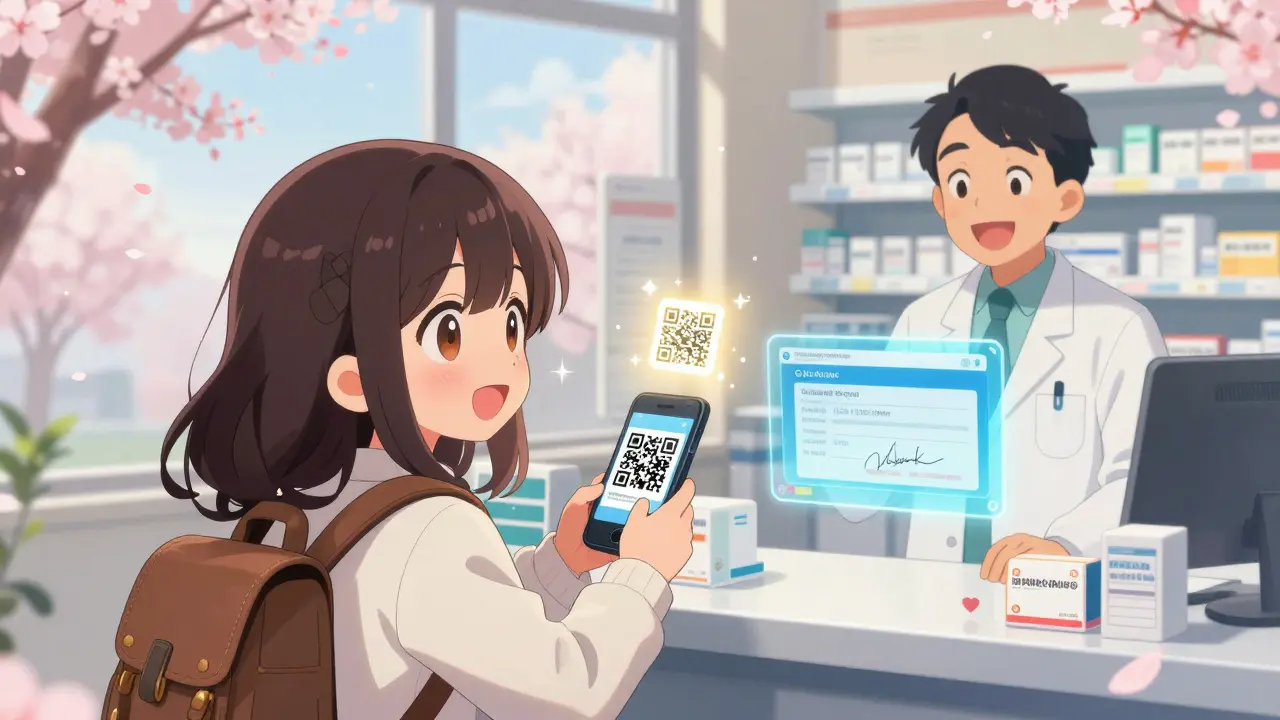
EU cross-border pharmacy services let citizens buy generic drugs in any member state using digital prescriptions. Learn how ePrescriptions work, where they’re accepted, and what still blocks access in 2026.
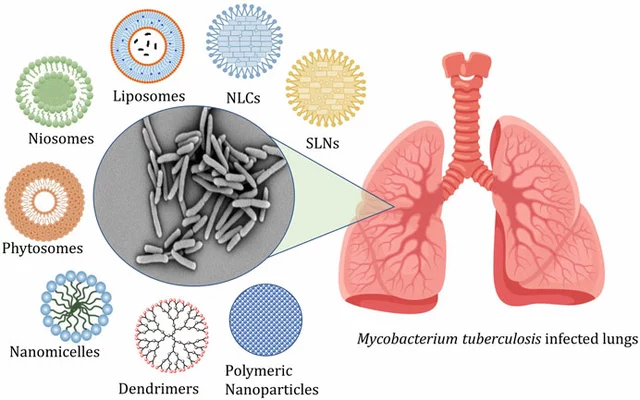
In my latest blog post, I discussed the crucial role of cycloserine in managing multidrug-resistant tuberculosis (MDR-TB). Cycloserine, an antibiotic, has become increasingly important in the treatment of MDR-TB, especially when other first-line medications are ineffective. This is because it targets the bacteria causing TB in a different way, thus overcoming resistance. However, it's essential to use cycloserine in combination with other antibiotics to ensure maximum effectiveness and minimize the risk of further resistance. Overall, cycloserine plays a vital role in the fight against MDR-TB, and ongoing research is crucial to optimize its use and develop new treatments.
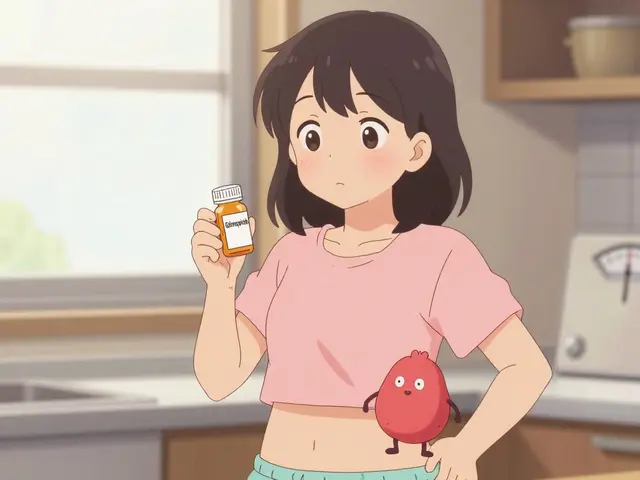
Sulfonylureas help control blood sugar but often cause weight gain, making diabetes harder to manage. Learn how different drugs in this class affect weight, what really works to reduce the gain, and why they're still prescribed despite the risks.
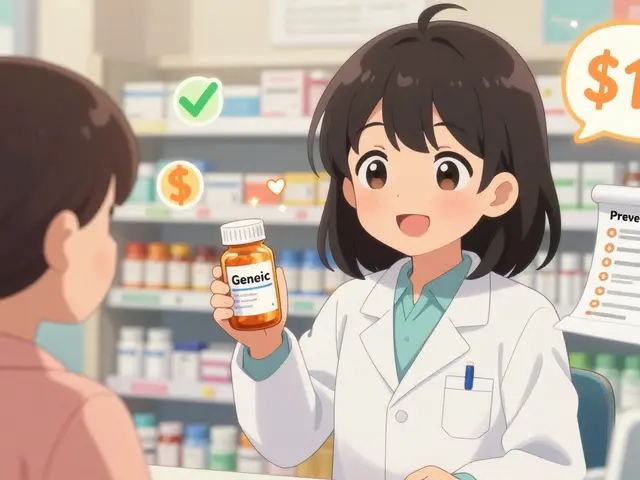
States use Preferred Drug Lists, pharmacist substitution rules, and copay differences to push generic drug use. These policies save billions without compromising care - but unintended rebate rules are putting some generics at risk.
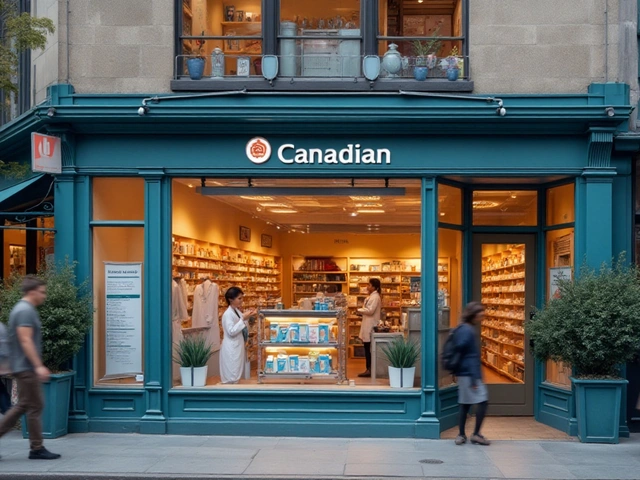
Explore six trusted online pharmacies as alternatives to CanadaCloudPharmacy in 2024. These Canadian pharmacies offer a wide selection of prescription and over-the-counter medications, each with unique strengths such as competitive pricing, secure ordering, and vast medication ranges. Discover the pros and cons of each platform to find the best option for your healthcare needs.
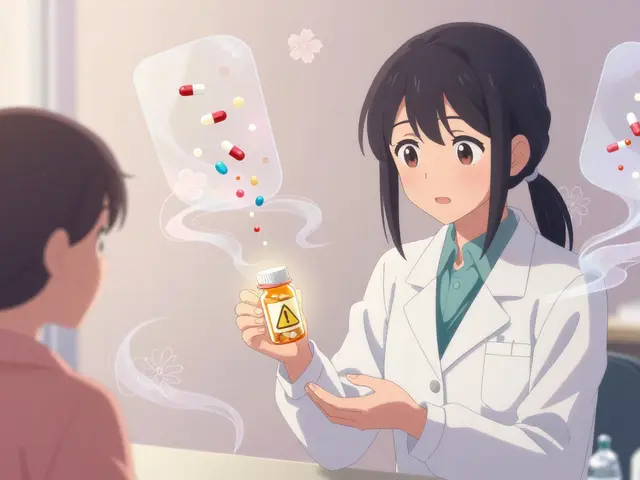
Nitrosamine contamination in generic drugs has triggered dozens of recalls since 2018. Learn how cancer-causing impurities slipped into medications like valsartan and metformin-and how the FDA is responding.