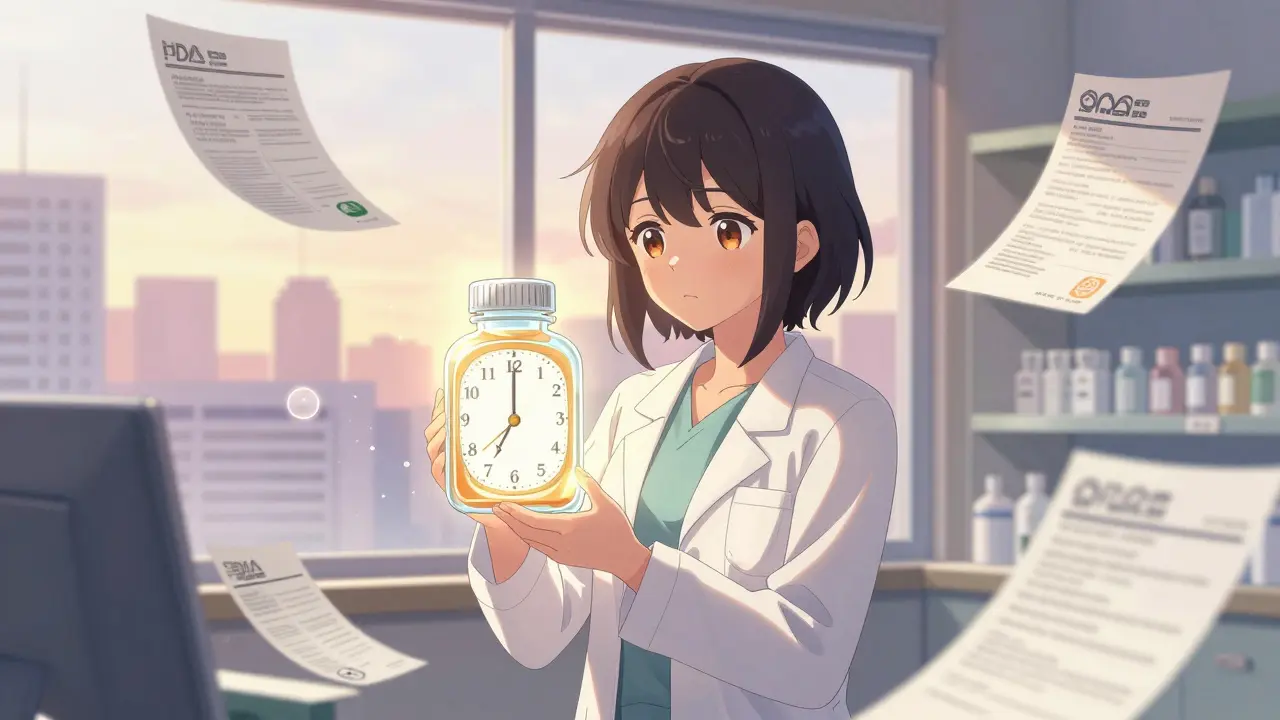
Most people assume that when a pharmaceutical company gets a patent on a new drug, they have 20 years to sell it without competition. That’s not true. In reality, most drugs have less than 12 years of actual market exclusivity - sometimes even less. The 20-year patent clock starts ticking the day the application is filed, not when the drug hits the pharmacy shelf. By the time the FDA approves a new medication, years have already slipped away.
Why the 20-Year Patent Doesn’t Mean 20 Years of Sales
Every patent on a new drug begins its 20-year term on the day the inventor files the application. That’s usually during early-stage research - often before human trials even begin. It takes an average of 8 to 10 years to complete clinical testing, submit data to regulators, and get final approval. That means half the patent life is gone before the drug can even be sold.
For example, if a company files a patent in 2015 and gets FDA approval in 2024, they’ve already used up nine years of protection. That leaves only 11 years to recoup the $2.6 billion it typically costs to bring a drug to market. That’s not a lot of time when you’re facing generic competition on the horizon.
The Hatch-Waxman Act: A Compromise That Didn’t Last
In 1984, Congress passed the Drug Price Competition and Patent Term Restoration Act - better known as the Hatch-Waxman Act. Its goal was simple: balance innovation and affordability. It gave drugmakers a way to make up for lost time by offering Patent Term Extension (PTE). Under this rule, companies could extend their patent by up to five years, but only if the extension didn’t push total exclusivity past 14 years after FDA approval.
That sounds fair - until you look at how it’s used. The law was designed to help protect the original, core patent on a new chemical ingredient. But over time, companies learned to game the system. They started filing dozens of secondary patents - on new formulations, delivery methods, dosages, or even minor chemical variations. These aren’t new drugs. They’re tweaks. But they still block generics.
Patent Thickets and Evergreening: The Real Game
High-revenue drugs don’t rely on one patent. They rely on 20, 30, sometimes even 50 patents. This is called a “patent thicket.” It’s not about protecting innovation - it’s about delaying competition. A 2023 study by the R Street Institute found that blockbuster drugs are 37% more likely to get secondary patents after approval than lower-selling ones. That’s not coincidence. It’s strategy.
One common tactic is switching from a regular pill to an extended-release version. Or combining two drugs into one tablet. Or changing the coating to make it dissolve slower. Each change gets a new patent, each one adds more time. Even if the original patent expires, these follow-up patents keep generics out. That’s why 91% of drugs that get patent extensions still hold monopolies long after those extensions expire.
Regulatory Exclusivities: The Hidden Clock
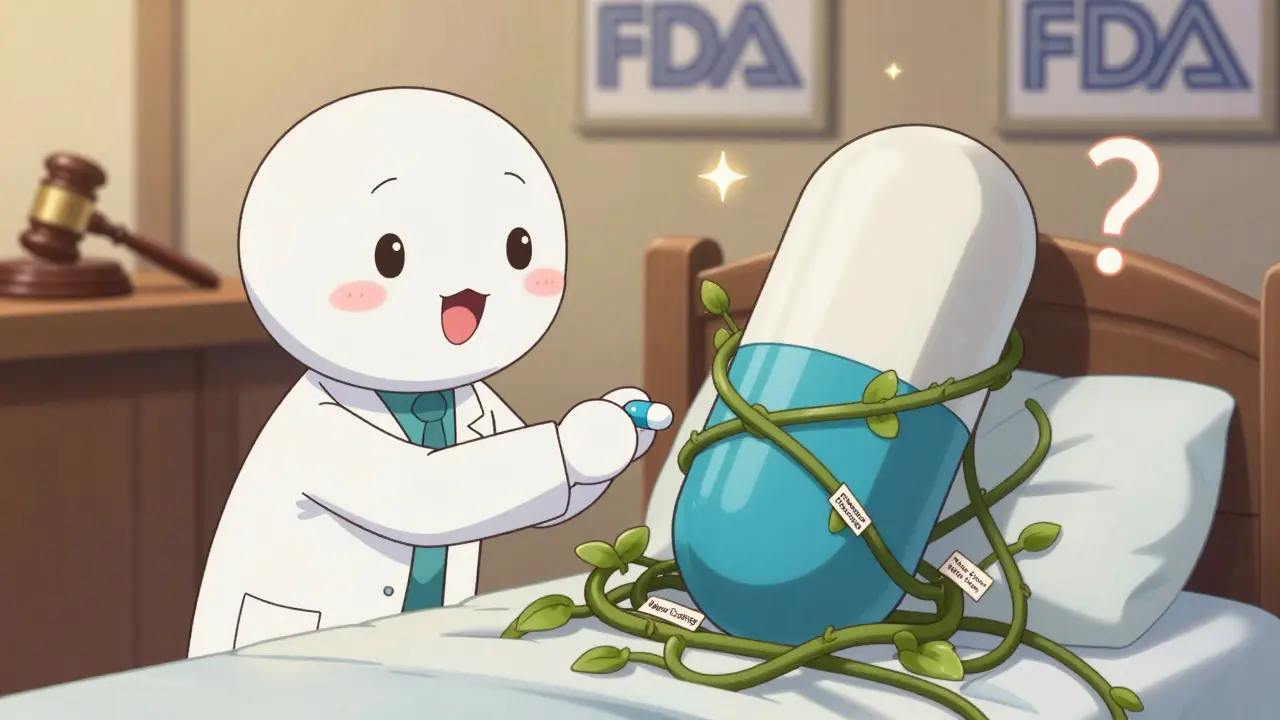
Patents aren’t the only tool. The FDA also grants regulatory exclusivities - separate protections that don’t depend on patents at all. These include:
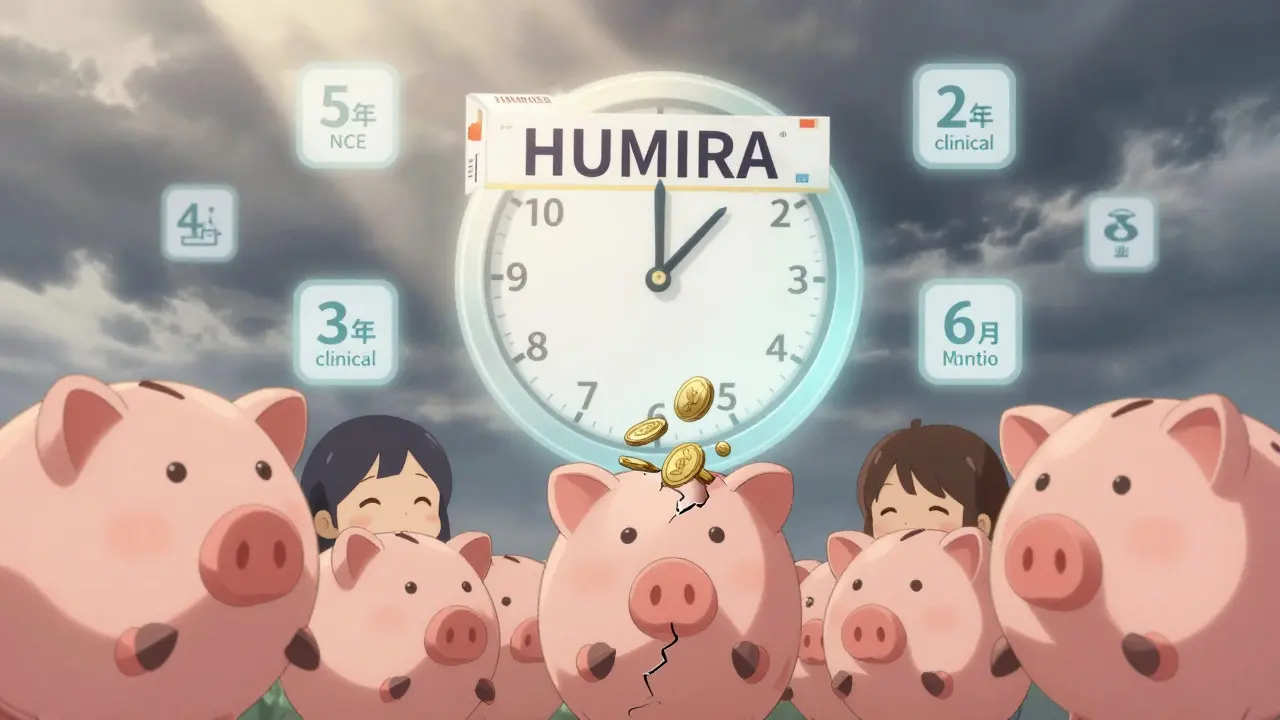
- New Chemical Entity (NCE) Exclusivity: 5 years of protection against generic copies, even if no patent exists.
- New Clinical Investigation Exclusivity: 3 years for new uses or formulations of existing drugs.
- Orphan Drug Exclusivity: 7 years for drugs treating rare diseases (fewer than 200,000 patients in the U.S.).
- Pediatric Exclusivity: 6-month extension added to existing patents or exclusivities if the company tests the drug in children.
These can stack on top of patents. A drug might have 5 years of NCE exclusivity, then a 3-year exclusivity for a new use, then a 6-month pediatric extension - all while a patent is still active. That’s not one clock. That’s three or four running at once.
How Long Do Drugs Actually Have Exclusivity?
Here’s what the numbers show:
- Average time from patent filing to FDA approval: 8-10 years
- Typical remaining patent life after approval: 7-12 years
- Maximum possible exclusivity with PTE: 14 years after approval
- Real-world average market exclusivity for new drugs: 10-13 years
That’s not 20 years. That’s less than half. And even that number is misleading - because many drugs lose exclusivity earlier due to legal challenges, patent invalidations, or strategic decisions by generic manufacturers.
What Happens When Exclusivity Ends?
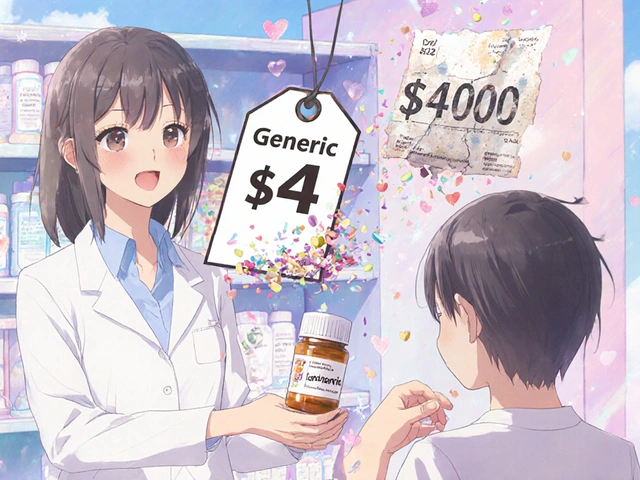
When a drug loses exclusivity, prices drop fast. Generic versions can enter the market and undercut the brand by 80-90% within the first year. That’s why pharmaceutical companies spend millions on legal teams to delay generics - and why some companies lose billions in revenue overnight.
Take Humira, the best-selling drug in U.S. history. Its core patent expired in 2016, but a thicket of 127 patents delayed generic competition until 2023. By then, it had generated over $200 billion in sales. That’s the power of extended exclusivity - and why the system is under growing scrutiny.
International Differences Matter
The U.S. isn’t the only country with this problem. Canada offers a Certificate of Supplementary Protection (CSP), which adds up to 2 years of protection after patent expiry. Japan allows up to 5 years of patent term extension for regulatory delays. The European Union has a similar system called Supplementary Protection Certificates (SPCs).
But the U.S. stands out for how aggressively companies use secondary patents. In Europe, regulators are more aggressive in invalidating weak patents. In the U.S., courts often side with brand companies, especially when litigation is involved. That’s why the 30-month stay provision - which lets brand companies block generic approval for 30 months if they sue - is so powerful. It’s not just about patents. It’s about legal delay tactics.
Who Pays the Price?
Patients, insurers, and taxpayers foot the bill. When a drug stays expensive longer, more people can’t afford it. Medicare Part D, Medicaid, and private insurers pay billions more each year because generics can’t enter the market on time. A 2023 analysis by EY estimated that $250 billion in global drug sales are at risk from patent expirations by 2025 - but that’s only true if exclusivity ends as intended. If companies keep stretching it, that number could be much higher.
Managed care organizations say planning is nearly impossible. They can’t predict when a drug will lose exclusivity because the patent landscape is so tangled. Is it the original patent? A formulation patent? A pediatric extension? A court case? All of the above?
Is the System Broken?
The Hatch-Waxman Act was designed to fix a broken system - but it’s now part of the problem. Congress intended for drugmakers to get a fair shot at recouping costs, not to build legal fortresses around every minor tweak. Today, the system rewards complexity over innovation. The most profitable drugs aren’t necessarily the most groundbreaking - they’re the ones with the most patents.
Regulators are starting to push back. The FDA has begun rejecting some secondary patents that don’t meet standards for true innovation. Courts are also seeing more challenges to “evergreening” tactics. But change is slow. And as long as billions are at stake, companies will keep finding ways to extend their exclusivity.
What’s Next?
The pressure is mounting. Lawmakers are discussing reforms to limit secondary patents and cap exclusivity extensions. Some propose a “patent cliff” trigger - automatically allowing generics if a drug’s sales drop below a certain level. Others want to shorten the 30-month stay or require more transparency in patent filings.
For now, the system remains a high-stakes game. The clock starts ticking the moment a patent is filed. By the time the drug reaches patients, the timer is already running out. And every day that generic entry is delayed, the cost to the healthcare system grows.
How long is the average effective patent life for a new drug in the U.S.?
The average effective patent life - meaning the time a drug has market exclusivity after FDA approval - is about 10 to 13 years. This is because 8 to 10 years are typically spent in development and regulatory review before the drug even reaches the market. Even with patent term extensions, U.S. law caps total exclusivity at 14 years after approval.
Can a drug have exclusivity without a patent?
Yes. The FDA grants regulatory exclusivities that are separate from patents. For example, a New Chemical Entity (NCE) gets 5 years of exclusivity even if no patent exists. Orphan drugs get 7 years, and pediatric extensions add 6 months to existing exclusivity. These protections can run alongside patents or stand alone.
What is patent term extension (PTE) and how does it work?
Patent Term Extension (PTE) allows drugmakers to add up to 5 years to their patent’s expiration date to make up for time lost during FDA review. But there’s a catch: the total exclusivity period - patent plus extension - cannot exceed 14 years after the drug is approved by the FDA. Also, only patents covering the original active ingredient qualify, not follow-up patents on new formulations.
Why do pharmaceutical companies file so many secondary patents?
Secondary patents are filed on minor changes - like a new dosage form, a different chemical salt, or an extended-release version. These aren’t new drugs, but they can block generics from entering the market. Companies use them to extend market exclusivity beyond the original patent’s expiration. This strategy, called “evergreening,” is especially common for high-revenue drugs.
What happens to drug prices when exclusivity ends?
When exclusivity ends and generics enter, prices typically drop by 80% to 90% within the first year. Generic manufacturers don’t need to repeat expensive clinical trials, so they can sell the same drug at a fraction of the cost. This sudden price drop is why brand-name companies fight so hard to delay generic entry - losing exclusivity can mean billions in lost revenue.
How does the 30-month stay work in patent disputes?
If a brand company sues a generic manufacturer within 45 days of receiving a notice of intent to sell a generic version, the FDA cannot approve the generic for 30 months - unless a court rules in favor of the generic before then. This legal delay tactic is often used to buy time, even when the patent claim is weak. It’s one of the most powerful tools for extending market exclusivity without a new patent.