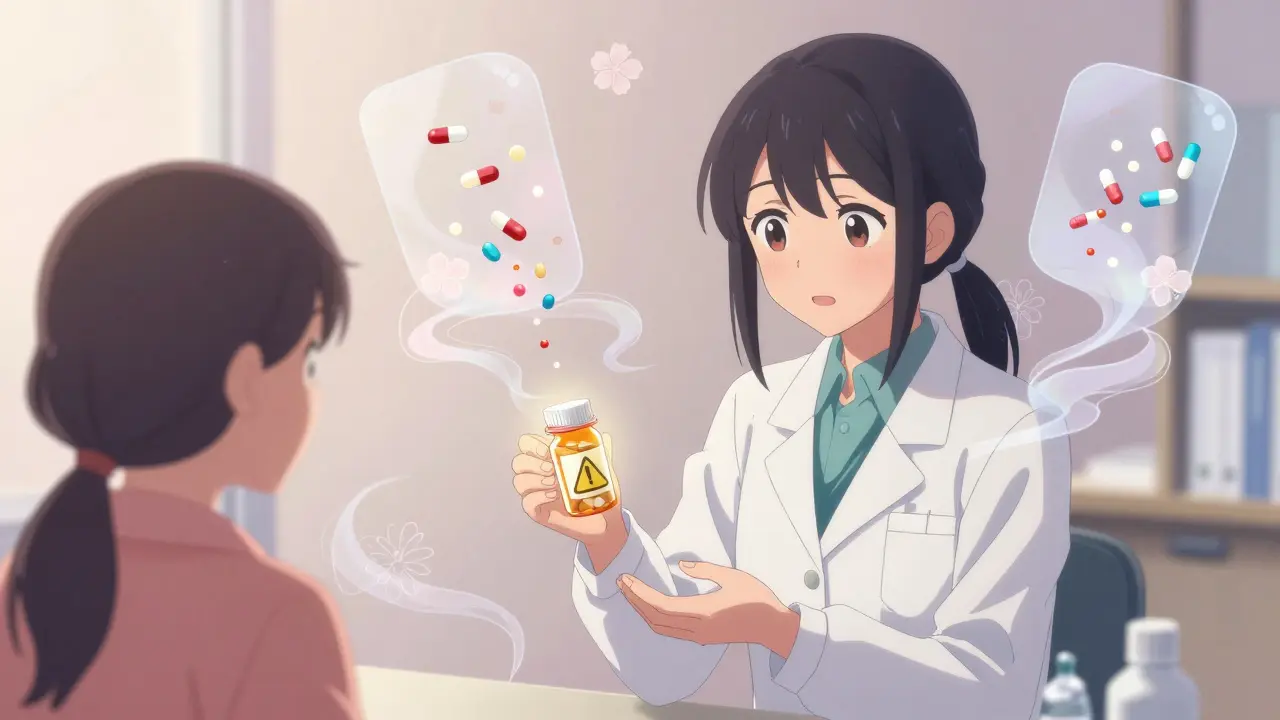
When you pick up a generic pill, you expect it to work just like the brand-name version-same active ingredient, same effect, same price. But since 2018, a quiet crisis has shaken that trust. Nitrosamine contamination in generic medications has led to dozens of recalls, supply shortages, and a scramble among manufacturers to fix hidden flaws in their production lines. These aren’t just trace impurities. They’re cancer-causing chemicals that slipped through quality controls and ended up in everyday prescriptions.
What Are Nitrosamines, and Why Do They Matter?
Nitrosamines are a group of chemical compounds that form when certain amines react with nitrites under specific conditions-like heat, acidity, or even during storage. Some are used in industrial processes; others appear in cured meats or tobacco smoke. But when they show up in pills? That’s a problem.
The International Agency for Research on Cancer (IARC) classifies most nitrosamines as probable or possible human carcinogens. The FDA doesn’t need a huge amount to trigger concern. Even as little as 96 nanograms per day of NDMA (N-Nitrosodimethylamine) is considered a threshold for unacceptable risk. That’s less than one grain of salt in a bathtub of water. Yet, in some contaminated batches, levels were hundreds or even thousands of times higher.
It’s not just one drug. Since 2018, over 40 specific products have been recalled in the U.S. alone. The first wave hit ARBs-blood pressure meds like valsartan and losartan. Then came ranitidine (Zantac), metformin for diabetes, duloxetine for depression, and even varenicline for smoking cessation. Each recall forced patients to switch medications, sometimes mid-treatment, and left pharmacies scrambling.
The First Major Wave: ARBs and the Domino Effect
In 2018, the FDA announced that valsartan, a common blood pressure medication, contained NDMA. It wasn’t a one-off. Within weeks, similar contamination was found in losartan and irbesartan. The source? A change in the manufacturing process at a single API supplier in China. They’d switched solvents to cut costs, but the new method created the perfect chemical environment for nitrosamine formation.
What made this worse was that these were generics-low-cost versions of blockbuster drugs. Manufacturers had tight margins. Quality checks were minimal. The contamination wasn’t caught during routine testing because labs weren’t looking for it. No one had a method sensitive enough to detect nanogram levels. So, the problem went unnoticed until the FDA stepped in.
By 2019, recalls spread to other countries. The European Medicines Agency (EMA) pulled over 15 ARB products. Health Canada, the UK’s MHRA, and Australia’s TGA followed. The global supply chain for these drugs cracked. Patients faced delays. Some went without treatment for weeks. Hospitals had to rewrite protocols. And it was just the beginning.
From ARBs to Antidepressants: The Contamination Spread
After ARBs, the FDA’s testing expanded. In 2020, ranitidine (Zantac) was pulled nationwide after NDMA was found in every tested batch. The drug had been on the market for decades. No one had suspected it could form nitrosamines during storage. The heat in shipping containers, the humidity in warehouses-over time, it happened. The manufacturer couldn’t fix it. They had to stop production entirely.
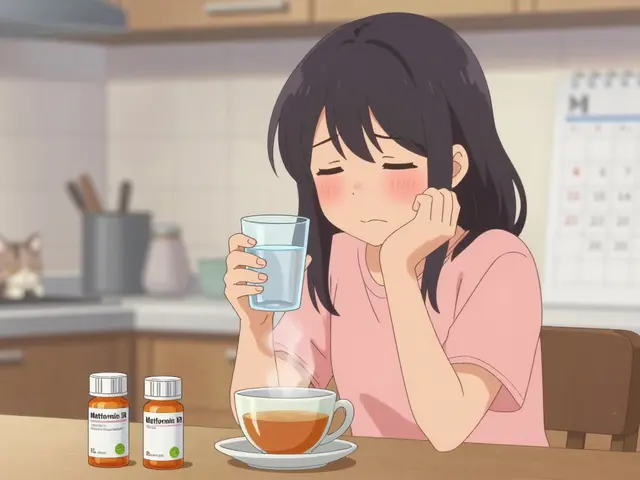
Then came metformin. A diabetes drug taken by millions. In 2020, the FDA found NDEA (N-Nitrosodiethylamine) in some extended-release tablets. Again, the culprit was a manufacturing step involving dimethylamine and nitrite-containing excipients. The fix? Reformulating the tablet with a different binder and changing the drying process. But that took over a year. In the meantime, shortages hit hard-especially in low-income communities that relied on cheap generics.
By 2023, the list grew. Duloxetine, varenicline, and even some antibiotics were flagged. The FDA started testing for something called NDSRIs-nitrosamine drug substance-related impurities. These are even harder to detect because they’re chemically tied to the drug itself. For example, N-nitroso-varenicline forms directly from the active ingredient under certain conditions. You can’t just swap out an excipient. You have to redesign the molecule’s entire pathway.
How the FDA Responded: Rules, Deadlines, and Shifts
The FDA didn’t wait for more recalls. In September 2024, they released a detailed guidance document: Control of Nitrosamine Impurities in Human Drugs. It wasn’t just advice. It was a mandate. Manufacturers had to:
- Test all new and existing products for known nitrosamines
- Use analytical methods capable of detecting levels as low as 0.3 ng/mL
- Identify every possible source: raw materials, solvents, packaging, even storage conditions
- Submit risk assessments and control strategies to the FDA before approval
They set strict limits: 96 ng/day for NDMA, 26.5 ng/day for NDEA, and 96 ng/day for each NDSRI. But here’s the catch: if a drug has two or more nitrosamines, the total risk can’t exceed 100%. So if one impurity is at 80% of its limit and another at 70%, the product fails-even if each is under its individual threshold.
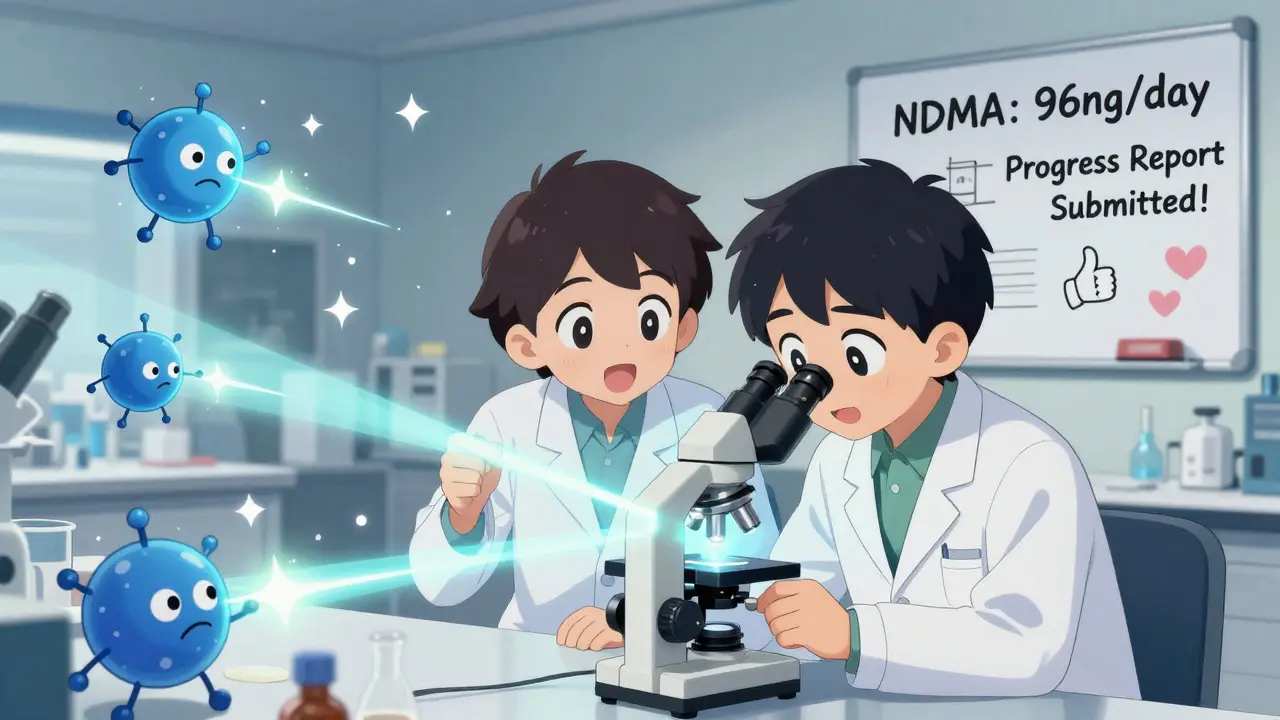
Originally, the FDA said all drugs had to comply by August 1, 2025. That deadline was a shock to small manufacturers. Many couldn’t afford the $500,000 to $2 million needed to upgrade labs, retrain staff, and redesign production lines. So in June 2025, they softened the rule. Now, companies don’t need full compliance by August. They just need to submit a progress report showing they’re actively working on a fix. That’s a lifeline-but it’s not a free pass.
Why This Is Harder Than It Looks
Fixing nitrosamine contamination isn’t like changing a label. It’s like rebuilding a car engine while it’s still running.
One manufacturer spent 18 months and $2 million just to fix nitrosamine formation in their metformin line. They traced it to a supplier of magnesium stearate-a common lubricant. That supplier had nitrite impurities. So they switched suppliers. But then, a new nitrosamine appeared. Why? The new lubricant had a different chemical structure that reacted with another excipient. They had to test 17 different combinations before finding a safe one.
And it’s not just ingredients. Packaging matters. Blister packs made with certain adhesives or bottle liners containing secondary amines can release nitrosating agents over time. A 2024 FDA case study found a batch of antibiotic tablets exceeded safe limits not because of the API, but because the bottle liner was reacting with the drug during shelf life. That wasn’t even on anyone’s radar before 2022.
Smaller companies are getting crushed. The average generic drug has a profit margin of 5-8%. Nitrosamine compliance costs 3-5 percentage points of that. Many can’t afford it. A 2025 industry survey found that 14% of small generic manufacturers have stopped producing at least one drug because they couldn’t meet the new standards. The market is shifting toward big players-Teva, Sun Pharma, Fresenius Kabi-who have the labs, the staff, and the cash to adapt.
Global Differences: FDA vs. Others
The FDA moved fast. The EMA followed, but slower. Europe still allows some flexibility in testing timelines. Health Canada has similar limits but fewer recalls-partly because they test less frequently. Japan’s PMDA and Singapore’s HSA have adopted the FDA’s approach closely, but with more industry consultation.
The biggest difference? The FDA requires compound-specific limits for every nitrosamine, even obscure ones. The EMA sometimes uses a blanket limit for all nitrosamines combined. That’s easier for manufacturers-but less precise. The FDA’s method catches more risks. But it also demands more data, more testing, and more time.
That’s why the June 2025 update made sense. The FDA realized: if they forced full compliance on August 1, hundreds of drugs would vanish from shelves. Patients would lose access. So they chose progress over perfection. It’s a pragmatic move-and one that reflects the complexity of the problem.
What Patients Should Know
If you’re on a generic drug, especially a blood pressure med, diabetes pill, or antidepressant, check the lot number. The FDA maintains a public list of recalled products. You can search by drug name, manufacturer, or lot number. Don’t panic if your pill is on the list. Most recalls are precautionary. Talk to your pharmacist or doctor. They can help you switch to a safe alternative.
Don’t stop taking your medication without a replacement. Going off blood pressure or diabetes meds can be dangerous. The risk from uncontrolled illness is often higher than the tiny risk from trace nitrosamines.
And here’s the good news: most drugs on the market today are safe. The FDA’s testing is thorough. Recalls are targeted. Manufacturers are now required to test every batch. The system is working-slowly, painfully-but it’s working.
The Road Ahead
Nitrosamine contamination isn’t going away. The FDA says it will remain a top priority. They’re already expanding testing to newer drug classes-like weight-loss medications and sleep aids. More manufacturers will be forced to invest. More small companies will exit the market.
But there’s hope. The crisis forced innovation. Labs now have better testing tools. Suppliers are auditing their raw materials. Packaging manufacturers are redesigning liners. The industry is learning. And patients? They’re safer now than they were in 2018.
It’s not perfect. But it’s progress. And in drug safety, progress is everything.
What drugs have been recalled due to nitrosamine contamination?
The FDA has recalled over 40 specific drug products since 2018. Major examples include valsartan, losartan, irbesartan (ARBs for blood pressure), ranitidine (Zantac), metformin (diabetes), duloxetine (antidepressant), varenicline (smoking cessation), and certain antibiotics. Each recall was triggered by the detection of nitrosamines like NDMA, NDEA, or NDSRIs. A full list is maintained on the FDA’s website and updated monthly.
Are all generic drugs at risk of nitrosamine contamination?
No. Only certain drugs are at risk-those that contain chemical structures likely to form nitrosamines under specific manufacturing or storage conditions. Most generics are safe. The FDA tests only those with known risk factors. If your drug hasn’t been recalled and you haven’t received a notice, it’s very likely safe. Always check the FDA’s recall list if you’re unsure.
How can manufacturers prevent nitrosamine contamination?
Manufacturers must conduct a full risk assessment, test every batch with sensitive LC-MS/MS equipment, and redesign processes to eliminate nitrosating agents. This includes changing excipients, avoiding nitrite-containing materials, reformulating packaging, and controlling storage conditions. Proactive companies also test raw materials from suppliers and monitor for amine-nitrite reactions throughout production.
Is it safe to continue taking my generic medication?
Yes-if it hasn’t been recalled. The risk from trace amounts of nitrosamines in a single dose is extremely low. The bigger danger is stopping your medication without a replacement. If you’re concerned, check the FDA’s recall list by drug name and lot number. If your drug isn’t listed, continue taking it. Talk to your pharmacist before switching.
Why did the FDA delay the August 2025 deadline?
The FDA realized many manufacturers, especially small ones, couldn’t meet the deadline due to the complexity of identifying root causes and gathering stability data for reformulated products. Instead of pulling drugs off shelves, they now require companies to submit progress reports detailing their mitigation efforts. This gives them more time without compromising safety.