When you pick up a prescription, you might not notice the difference between a brand-name drug and its generic version. But there’s a hidden layer in the pharmacy aisle that most people never see: authorized generics. These aren’t just any generic drugs. They’re the exact same medicine as the brand, made in the same factory, with the same ingredients, but sold under a different name and label. And if you’re trying to figure out whether what you’re holding is one, you need to know exactly what to look for on the packaging and label.
What Makes an Authorized Generic Different?
An authorized generic is created by the original brand-name drug company itself. It’s not a copycat made by a different manufacturer. It’s the real thing-same active ingredient, same inactive ingredients, same capsule shape, same color, same everything-except the label says a different company made it. This happens after the brand’s patent expires, and the original company launches a generic version under a subsidiary or partner brand to compete with other generic makers. The FDA defines it clearly: an authorized generic is a brand-name drug that’s sold with different packaging or labeling than the original, but without any changes to the drug itself. That means if your doctor prescribed Lipitor, and you get a pill that looks identical but says "Pfizer" isn’t on the box, you might be holding an authorized generic. And yes, it’s just as safe and effective.How to Spot One by the Label
The easiest way to tell is by checking the manufacturer or distributor name on the label. If it says something like "Distributed by Greenstone LLC" or "Manufactured for Teva Pharmaceuticals" instead of the original brand name, you’re likely looking at an authorized generic. For example, when Pfizer made an authorized generic of Lyrica (pregabalin), the box said "Greenstone LLC"-not Pfizer-even though the pills were identical. You’ll also notice the absence of trademark symbols (® or ™) and marketing claims. Brand-name packaging often says things like "The #1 Prescribed Cholesterol Medication" or "Trusted by Millions." Authorized generics don’t say that. Their labels are plain. Just the drug name, dosage, manufacturer, and safety info. No fluff.The NDC Code: Your Best Tool
Every drug in the U.S. has a National Drug Code (NDC), a unique 10- or 11-digit number printed on the packaging. It’s broken into three parts: labeler code, product code, and package code. - The labeler code tells you who’s responsible for distributing the drug. This is the key. For an authorized generic, this number will be different from the brand-name version. But the product and package codes? Those stay exactly the same. Take Protonix (pantoprazole). The brand version has an NDC like 00071-0001-01. The authorized generic distributed by Dr. Reddy’s might be 55111-0001-01. Same product code (0001), same package size (01), just a different labeler code (55111 instead of 00071). That’s your signal. If you’re unsure, you can cross-check the NDC against the FDA’s Quarterly Authorized Generic List. It’s updated every January, April, July, and October. As of October 2023, there were 147 active authorized generics listed.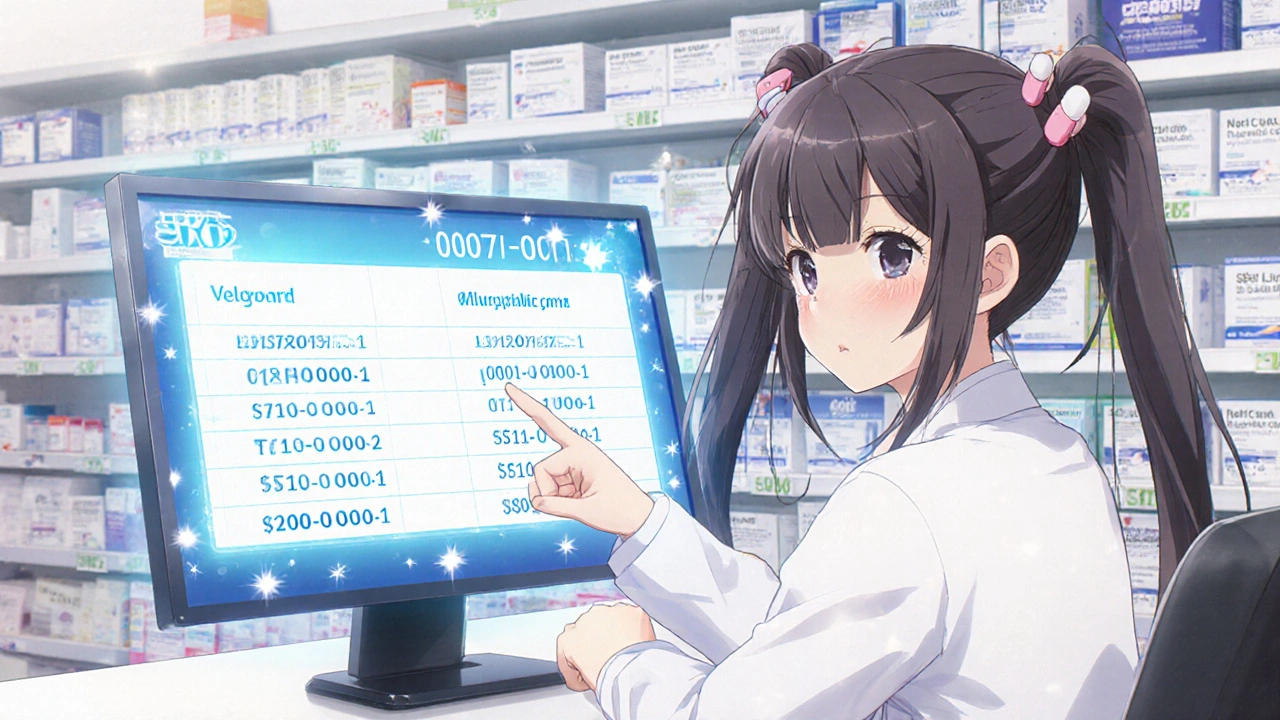
Why This Matters to You
Authorized generics cost less than the brand-name drug-usually 15% to 25% cheaper-but they’re often slightly more expensive than traditional generics. Why? Because they’re made by the original company, so they don’t have the same cost-cutting pressures. But here’s the catch: they’re more consistent. Traditional generics must prove they’re bioequivalent to the brand. Authorized generics don’t need to. They’re the same drug. Same batch. Same machine. Same quality control. That means fewer variations in how the drug works from one refill to the next. For patients on medications like seizure drugs, thyroid pills, or blood thinners, that consistency matters. A 2022 Medscape survey found that 92.6% of patients reported no difference in how they felt between the brand and the authorized generic. That’s not a coincidence.Common Mistakes and Confusions
Many people mistake authorized generics for counterfeit drugs because the label looks different. Pharmacists sometimes get confused too. A 2021 survey showed that 37% of pharmacists misidentified authorized generics as regular generics. Another common error: thinking the pill looks different, so it must be a different drug. But U.S. trademark laws prevent generic pills from looking exactly like the brand. So even if your brand pill was blue and oval, the authorized generic might be white and round. That doesn’t mean it’s not the same medicine. Some authorized generics even have "AG" or "Authorized Generic" printed in tiny letters on the label. But that’s not required. Don’t rely on it.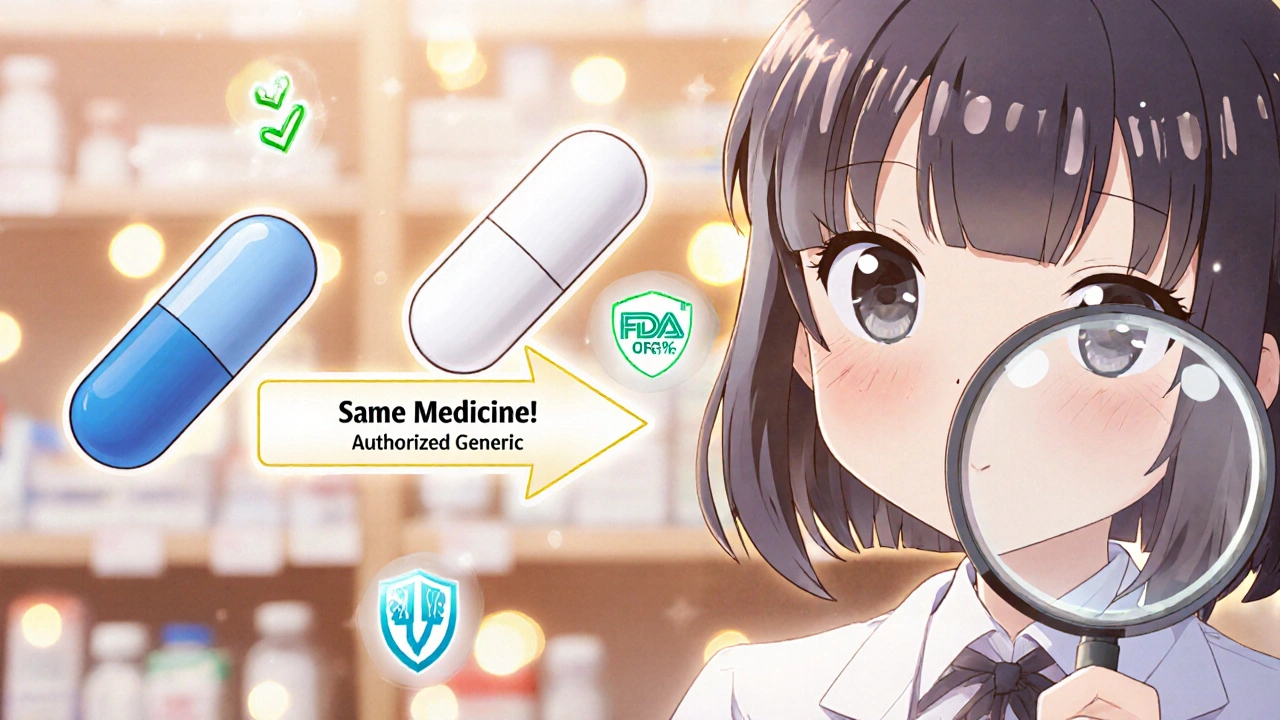
How Pharmacists Verify Them
Pharmacists use drug databases like First Databank or Medi-Span, which flag authorized generics in their systems. When a prescription is filled, the software alerts them if the drug is an authorized generic and shows the correct NDC. But not all systems are updated instantly. That’s why it’s still smart to double-check. If you’re a patient and you’re unsure, ask your pharmacist: "Is this an authorized generic?" They can pull up the NDC and check against the FDA list. It takes about two minutes. That’s faster than waiting for a refill.What’s Changing in 2025?
The FDA plans to integrate authorized generic identifiers directly into the National Drug Code Directory by mid-2024. That means pharmacies will see "Authorized Generic" clearly marked in their dispensing systems-no more guesswork. This change is meant to cut down on the 8.3% of dispensing errors currently caused by misidentification, according to the 2022 ISMP National Medication Errors Report. Meanwhile, authorized generics are growing. In 2022, they made up 12.7% of the generic drug market by revenue. That’s up from 9.5% in 2020. More brand companies are using them to stay competitive without losing control over quality.Final Checklist: How to Confirm You Have an Authorized Generic
- Check the manufacturer/distributor name on the label. Is it different from the brand name? (e.g., Greenstone instead of Pfizer)
- Look for the absence of trademark symbols and marketing claims.
- Find the NDC code and compare the labeler code to the FDA’s Authorized Generic List.
- Verify the product and package codes match the brand version.
- Ask your pharmacist: "Is this an authorized generic?"
If all five match, you’ve got one. And you’re getting the same medicine your doctor prescribed-just at a lower price.
Are authorized generics as safe as brand-name drugs?
Yes. Authorized generics are made in the same facility, with the same ingredients, and under the same quality controls as the brand-name drug. The FDA requires them to meet the same standards. They’re not copies-they’re the exact same product with different packaging.
Can I trust an authorized generic if the label looks different?
Absolutely. U.S. trademark laws prevent generic drugs from looking identical to brand-name versions, even if they’re the same medicine. Differences in color, shape, or imprint don’t mean the drug is different. Always check the NDC and manufacturer name instead.
Why is the manufacturer name different on my authorized generic?
The original brand company often uses a subsidiary or partner company (like Greenstone, Teva, or Dr. Reddy’s) to distribute the authorized generic. This lets them compete in the generic market without confusing customers or violating branding rules. The drug inside is still made by the same company that made the brand version.
Do authorized generics cost more than regular generics?
Usually, yes-by about 5% to 15%. But they’re still 15% to 25% cheaper than the brand-name version. The higher price reflects the fact that they’re made by the original manufacturer, not a company cutting costs to compete. Many patients prefer them for consistency.
How do I find out if my drug is an authorized generic?
Check the NDC code on your prescription bottle and look it up on the FDA’s Quarterly Authorized Generic List (updated every January, April, July, and October). You can also ask your pharmacist to verify it using their drug database. If the labeler code is different from the brand but the product code is the same, it’s an authorized generic.