When you switch from a brand-name drug to a generic, you expect to save money - but sometimes, you end up with a pill that looks different, feels different, or even causes side effects you didn’t have before. That’s because traditional generics only need to match the active ingredient of the brand drug. The fillers, dyes, and binders? Those can change. And for some people, especially those on drugs with a narrow therapeutic index like warfarin or levothyroxine, those tiny differences matter a lot.
What exactly are authorized generics?
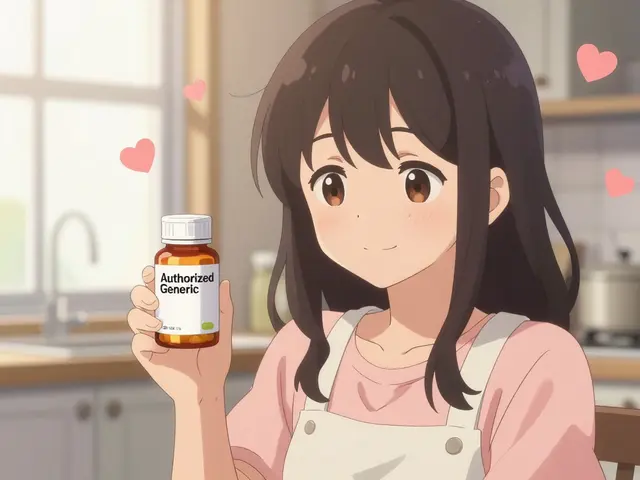
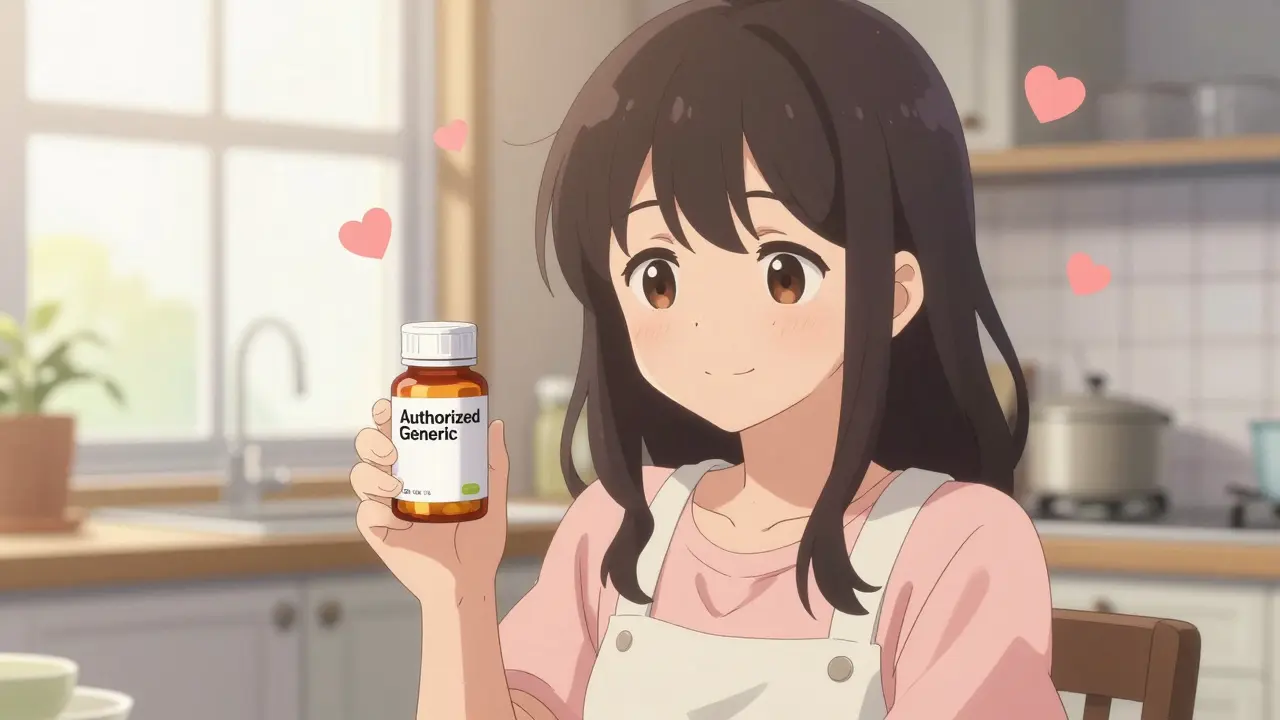
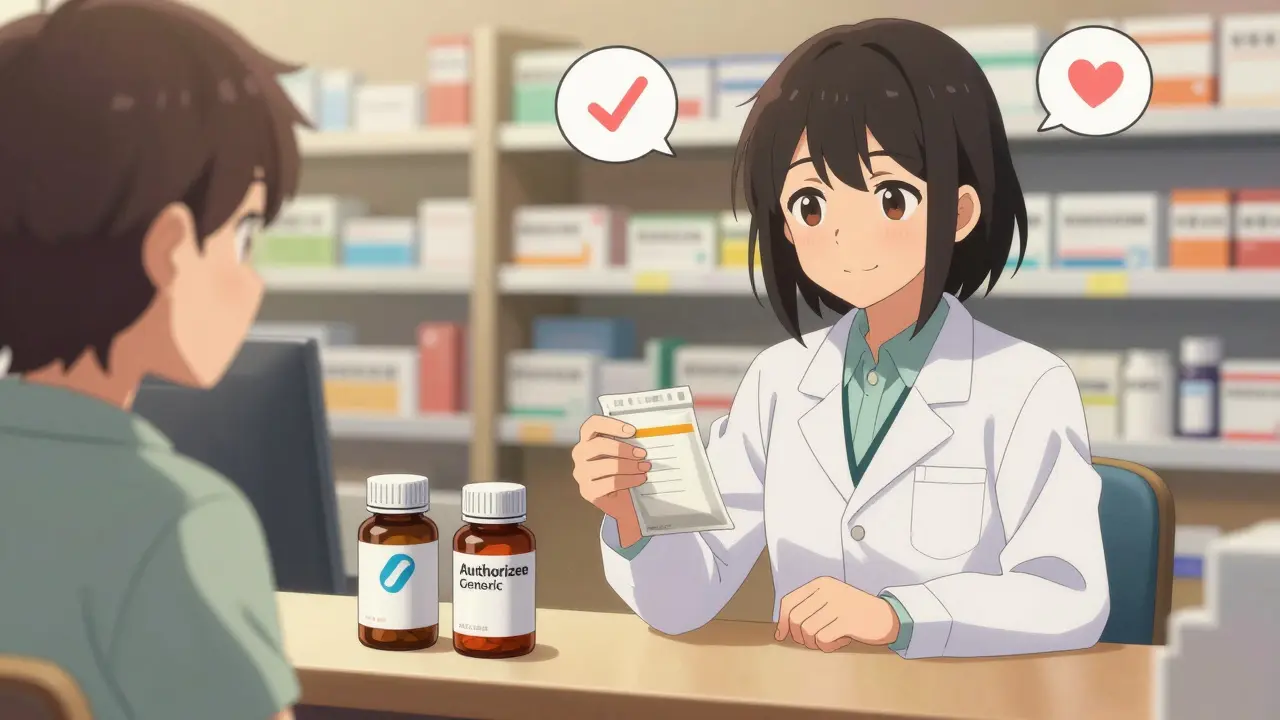
Authorized generics are the exact same drug as the brand-name version - same active ingredient, same inactive ingredients, same shape, same dosage, same everything. The only difference? They’re sold without the brand name on the label. They’re made by the same company that makes the original brand drug, just under a private label at a lower price.The FDA defines them under Subsection 505(t)(3) as drugs approved under the original brand’s New Drug Application (NDA), not the generic application (ANDA). That means they don’t need to go through bioequivalence testing. They’re not just similar - they’re identical. No guesswork. No trial and error.
Think of it like buying a store-brand soda that’s made in the same factory as the name-brand version. You get the same taste, same fizz, same ingredients - just without the logo. That’s what authorized generics are for prescription drugs.
Why they’re better than traditional generics
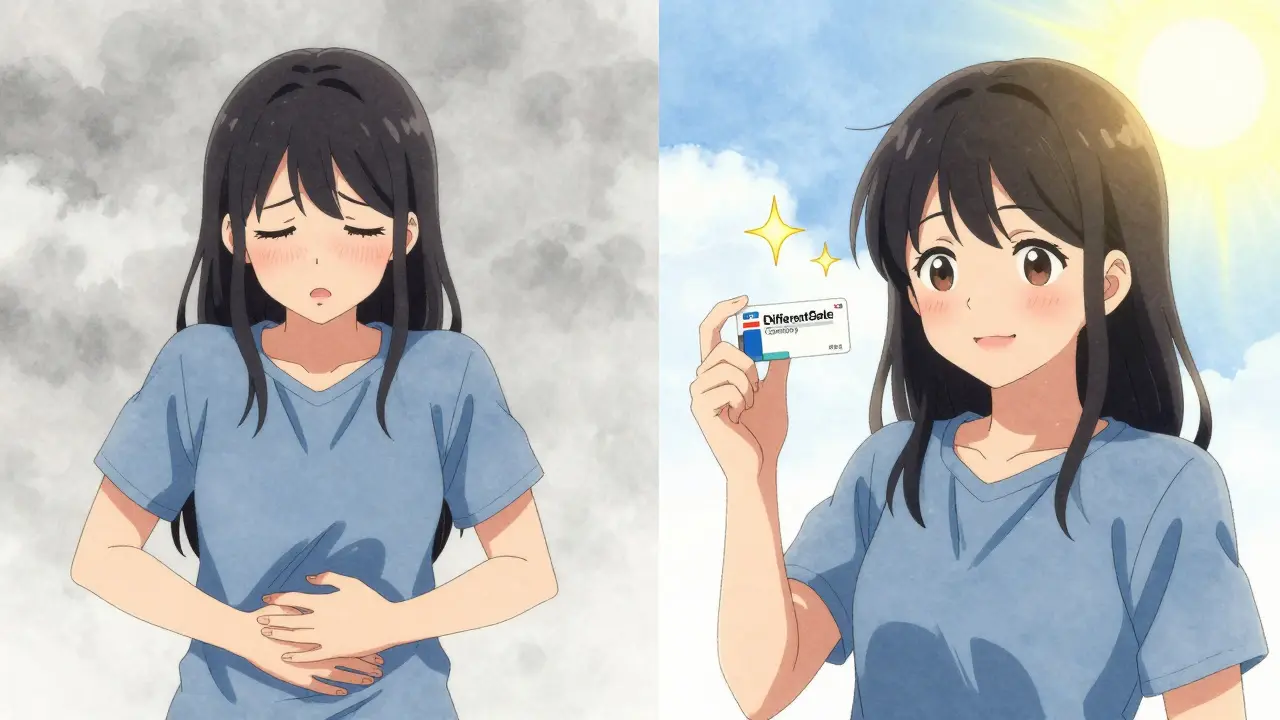
Traditional generics only have to prove they deliver the same amount of active ingredient into your bloodstream as the brand drug. That’s it. The rest - the colors, the coatings, the preservatives - can vary. And that’s where problems pop up.According to US Pharmacist, 32% of patients report side effects after switching from a brand drug to a traditional generic. For people on drugs like levothyroxine (for thyroid function), warfarin (a blood thinner), or certain epilepsy medications, even tiny changes in inactive ingredients can throw off how the drug is absorbed. One patient might feel fine on a generic version from Company A, but then switch to one from Company B and suddenly feel dizzy, tired, or nauseous.
Authorized generics eliminate that risk. Because they’re made to the exact same formula as the brand, there’s no variation in fillers. If you’ve had bad experiences with generics before, an authorized generic is the closest thing to staying on the brand drug - without the brand price.
How much do they cost?
Authorized generics usually cost 15-20% less than the brand-name version. That’s not as deep a discount as some traditional generics (which can be 80% cheaper), but it’s still significant. And for people with high-deductible plans or no insurance, that 15-20% can mean the difference between being able to afford the medication or skipping doses.Here’s the real win: when a brand company launches an authorized generic, it often drives down prices across the board. The Federal Trade Commission found that markets with authorized generics saw prices drop 25-30% compared to markets without them. That’s because the brand company is now competing with itself - and that competition pushes everyone’s prices lower.
Are they covered by insurance?
Yes - and that’s one of their biggest advantages. Medicare Part D covers authorized generics at the same low copay as traditional generics 92% of the time, according to 2023 CMS data. Most commercial insurers do too - about 78% of the time. That means you can often get an authorized generic for the same price as a regular generic, even if your plan doesn’t cover the brand drug at all.Some pharmacies even list authorized generics separately in their systems. If your pharmacy uses the National Drug Code (NDC) to track medications, they can easily identify whether you’re getting an authorized version. A 2022 American Pharmacists Association report found that 87% of chain pharmacies have systems in place to recognize them.
Why aren’t they more common?
Only 15-20% of brand-name drugs have an authorized generic version available. That’s because they’re not required. The brand company decides whether to make one - and sometimes, they choose not to.Here’s the tricky part: under the Hatch-Waxman Act, the first generic company to challenge a brand patent gets 180 days of exclusive rights to sell the generic version. During that time, they’re the only one allowed to sell a generic. But if the brand company launches an authorized generic during that window, it can undercut the first generic’s sales - and sometimes even end their exclusivity early. That’s why some critics say authorized generics are used as a tactic to weaken generic competition.
Still, for patients, the trade-off is clear: if an authorized generic is available, it’s often the safest, most predictable option. The FDA, Health Affairs, and experts like Dr. Aaron Kesselheim from Harvard Medical School all point to them as the best alternative for patients who struggle with traditional generics.
What patients say
On Reddit’s r/pharmacy, a pharmacist shared that for patients on levothyroxine, switching to an authorized generic reduced adverse reactions by about 70%. GoodRx user reviews show a 4.2/5 rating for authorized generics in narrow therapeutic index drugs - compared to 3.7/5 for traditional generics in the same category.But there’s a catch: many patients don’t even know they’re getting one. A 2022 Kaiser Family Foundation study found that 28% of people didn’t realize they’d been switched to an authorized generic until after they got their prescription. That confusion can lead to unnecessary worry - especially if the pill looks different.
How to ask for one
If you’re on a brand-name drug and want to switch to a more affordable option without risking side effects, ask your pharmacist: “Is there an authorized generic available for this medication?”You can also check the FDA’s list of authorized generics (updated quarterly). It’s not always easy to find, but it’s the most reliable source. Your doctor can also write “Dispense as written” or “Do not substitute” if they’re concerned - but if they don’t, you’re eligible for substitution, including authorized generics.
Don’t assume the cheapest generic is the best. Ask for the one that’s made by the same company as the brand. It might cost a little more than the cheapest option - but for many, it’s worth it.
What’s changing in 2024 and beyond
The FDA is planning to add a dedicated section to the Orange Book - the official list of approved drugs - to clearly identify authorized generics. That’s set to launch in Q2 2024. This will make it easier for pharmacists, doctors, and patients to spot them.Meanwhile, the Biden administration has directed the FDA to look into whether authorized generics are being used to unfairly block competition. That could lead to new rules. But for now, if you’re looking for a safe, reliable, and affordable switch from a brand drug, authorized generics are one of the smartest options available.
The market is growing, too. IQVIA reports authorized generics made up 8.7% of all generic prescriptions in 2022 - up from 5.2% in 2018. Experts predict that number will hit 12-15% by 2026, especially for complex medications where consistency matters most.
Are authorized generics the same as brand-name drugs?
Yes. Authorized generics are made by the same company that makes the brand-name drug, using the exact same formula - including active and inactive ingredients. They’re not just similar; they’re identical. The only difference is the label and packaging.
Do authorized generics cost less than brand-name drugs?
Yes, typically by 15-20%. While traditional generics can be much cheaper, authorized generics offer a middle ground: lower cost than the brand, but without the formulation changes that sometimes cause side effects.
Can my pharmacist substitute a brand drug with an authorized generic?
Yes, unless your doctor wrote "Do not substitute" on the prescription. Pharmacists can legally switch you to an authorized generic just like they would a traditional generic. Many pharmacies automatically do this if it’s available and covered by your insurance.
Why do authorized generics look different than the brand drug?
They may have a different color, shape, or marking to distinguish them from the brand version. But the active ingredient, dosage, strength, and inactive ingredients are identical. These changes are required by law to avoid confusion - but they don’t affect how the drug works.
Are authorized generics covered by insurance?
Yes. Medicare Part D covers them at the generic copay level 92% of the time. Most private insurers do too, often at the same price as traditional generics. Always check with your pharmacy or insurer, but you’ll usually pay the same amount as you would for a regular generic.