When you pick up a prescription, you might see two names on the bottle: the brand name you know, and a simpler, cheaper version underneath. That’s a generic drug. And if you’ve ever wondered how these cheaper versions are just as safe and effective as the expensive brand-name ones, the answer lies in the FDA generic approval process. It’s not magic-it’s science, regulation, and a system designed to save you money without cutting corners.
What Exactly Is a Generic Drug?
A generic drug is a copy of a brand-name medicine that contains the exact same active ingredient, works the same way in your body, and is taken the same way-whether it’s a pill, injection, or cream. It doesn’t have the same packaging or color, and it won’t have the flashy name, but it does the same job. The FDA requires that generics match the brand-name drug in strength, dosage form, and how quickly and completely your body absorbs the medicine.For example, if you take lisinopril for high blood pressure, the brand version might be called Zestril. The generic is just lisinopril. Same molecule. Same effect. Same safety profile. The only difference? The price. Generic lisinopril can cost as little as $4 for a 30-day supply, while Zestril might run $50 or more.
How Does the FDA Approve Generic Drugs?
The FDA doesn’t make generic companies start from scratch. That’s where the Abbreviated New Drug Application, or ANDA, comes in. It’s called “abbreviated” because it skips the long, expensive clinical trials that brand-name drug makers had to do to prove their drug works and is safe.Instead, generic makers must prove two big things:
- Pharmaceutical equivalence: The generic has the same active ingredient, strength, dosage form, and route of administration as the brand-name drug. No extra ingredients that change how it works.
- Bioequivalence: The generic delivers the medicine into your bloodstream at the same rate and amount as the brand. This is tested in healthy volunteers-usually 24 to 36 people-who take both the brand and generic versions. Blood samples are taken over time to compare how much medicine is in the system. The FDA requires the generic’s absorption to fall within 80% to 125% of the brand’s. That’s a tight range, and it ensures you get the same therapeutic effect.
Manufacturers also have to prove they can make the drug consistently, in clean, FDA-inspected facilities that follow strict quality rules called Current Good Manufacturing Practices (cGMP). The FDA inspects these factories-about 1,500 a year-and won’t approve a generic if the plant doesn’t meet standards.
Why Are Generics So Much Cheaper?
Brand-name drugs cost billions to develop. Companies spend years testing, running clinical trials, and marketing before they can sell their drug. The average cost? Around $2.6 billion. That’s why they charge high prices-to recoup those costs and make a profit.Generic makers don’t pay that bill. They copy an already-approved drug. Their development cost? Usually between $5 million and $10 million. That’s why they can sell the same medicine for a fraction of the price. In 2023, generic drugs made up 90% of all prescriptions filled in the U.S., but only 23% of total drug spending. That’s over $2.2 trillion saved in the last decade alone.
Are Generics Really as Safe as Brand-Name Drugs?
Yes. The FDA holds generics to the same standards as brand-name drugs. Every generic must meet the same quality, purity, and potency requirements. In fact, many brand-name companies make their own generic versions after their patent expires.Studies show that 87% of patients who use generics report being satisfied with them. Pharmacists, who see these drugs up close every day, recommend generics 94% of the time when available.
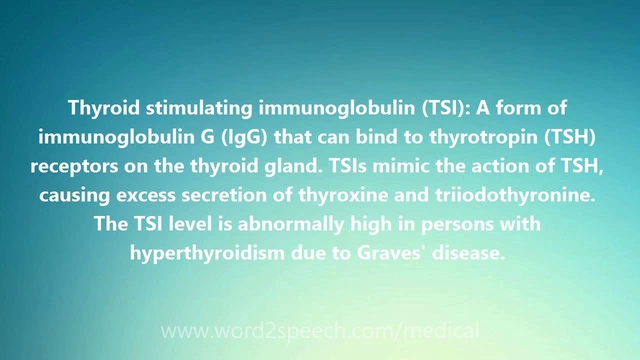
There’s one exception: drugs with a narrow therapeutic index (NTI). These are medicines where even a small change in dose can cause big effects-like warfarin (a blood thinner), levothyroxine (for thyroid issues), or certain seizure drugs. For these, some patients report feeling different when switching between generic brands. The FDA says this is rare and usually due to individual sensitivity, not poor quality. But if you’re on one of these drugs and notice a change after switching generics, talk to your doctor. You may need to stick with one brand or manufacturer.

What About Complex Generics? Are They Different?
Not all drugs are easy to copy. Simple pills? Easy. Inhalers, nasal sprays, eye drops, or topical creams? Much harder. These are called “complex generics.”Why? Because their effectiveness depends not just on the chemical, but on how the drug is delivered. For example, an inhaler must spray the right amount of medicine deep into your lungs. A cream must penetrate the skin at the right rate. These aren’t just about chemistry-they’re about engineering.
The FDA has been working hard to improve approval for these drugs. Since 2023, they’ve released 18 new guidance documents to help manufacturers get it right. But it’s still tough. Complex generics make up only 15% of applications, but they cause nearly 40% of review delays. The first generic version of EpiPen, for example, took 15 years to get approved.
How Long Does Approval Take?
The FDA aims to review a standard generic application in 10 months. But for complex drugs, it can take two years or more. Some companies file applications early, hoping to be the first to market after a brand patent expires. If they’re the first to file, they get 180 days of exclusive sales-no other generics can enter the market during that time. That’s why you sometimes see multiple generics appear at once: everyone’s racing to be first.On average, generics hit the market about 14 months after the brand-name patent ends. That’s much faster than the 10 to 15 years it takes to bring a new drug to market.
Who Makes Generic Drugs?
There are about 150 companies making generic drugs in the U.S. The biggest are Teva, Viatris, and Amneal. But many smaller companies also compete, especially for common pills like metformin or atorvastatin. Most generic drugs sold in the U.S. are made overseas-in India and China-but they still have to pass FDA inspections. The FDA has offices in those countries to check facilities before approving a product.
What Should You Know as a Patient?
- Generics are safe, effective, and FDA-approved. You can trust them. - Ask your pharmacist if a generic is available for your prescription. It could save you hundreds a year. - If you’re on a drug with a narrow therapeutic index, pay attention to how you feel after switching generics. Report any changes to your doctor. - Don’t assume all generics are identical. Sometimes, switching between different generic brands (even if they’re both approved) can cause small differences in how you feel. That’s why some doctors specify “dispense as written” on prescriptions. - The FDA has a free online tool called the Orange Book where you can look up approved generics and their brand equivalents.What’s Next for Generic Drugs?
The FDA is exploring new tools like artificial intelligence to speed up reviews. They’re also working with Congress to stop brand-name companies from blocking generic makers from getting samples they need for testing-a tactic known as “product hopping” or “evergreening.”By 2027, over $250 billion worth of brand-name drugs will lose patent protection. That means a wave of new generics is coming. The system is built to handle it-but only if funding and oversight keep up.
For now, the FDA’s generic approval process remains one of the most successful public health programs in modern medicine. It’s simple, science-based, and puts affordable medicine in your hands.
Are generic drugs as effective as brand-name drugs?
Yes. The FDA requires generics to have the same active ingredient, strength, dosage form, and bioequivalence as the brand-name drug. This means they work the same way in your body. Studies show 87% of patients are satisfied with generics, and pharmacists recommend them 94% of the time when available.
Why are generic drugs cheaper?
Brand-name drugs cost billions to develop and test. Generic manufacturers don’t need to repeat those expensive clinical trials. They only need to prove their version is the same as the brand. That cuts development costs from $2.6 billion to around $5-10 million, which lets them sell at a fraction of the price.
Can I switch between different generic brands?
For most medications, yes. But for drugs with a narrow therapeutic index-like warfarin, levothyroxine, or seizure meds-some patients notice small differences when switching between generic manufacturers. If you feel different after switching, talk to your doctor. You may need to stick with one brand.
Does the FDA inspect generic drug factories?
Yes. The FDA inspects over 1,500 manufacturing facilities each year-both in the U.S. and overseas. A drug won’t be approved unless the factory meets strict quality standards called cGMP. Many generic drugs are made in India or China, but they still must pass the same inspections as U.S.-made drugs.
How long does it take for a generic to be approved?
The FDA aims to approve standard generic applications within 10 months. But for complex drugs like inhalers or eye drops, reviews can take two years or longer. Once a brand-name drug’s patent expires, generics usually hit the market within 14 months.
Are there any risks with using generic drugs?
The risks are extremely low. The FDA ensures generics meet the same safety and quality standards as brand-name drugs. The only potential issue is for patients on narrow therapeutic index drugs who may be sensitive to minor differences in absorption. If you notice changes in how you feel after switching generics, contact your doctor.