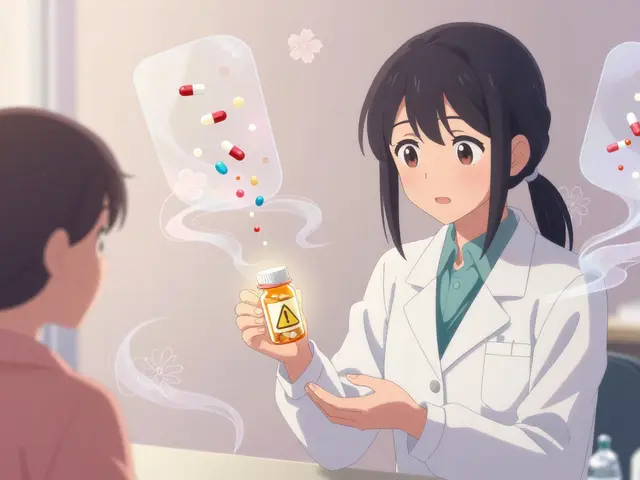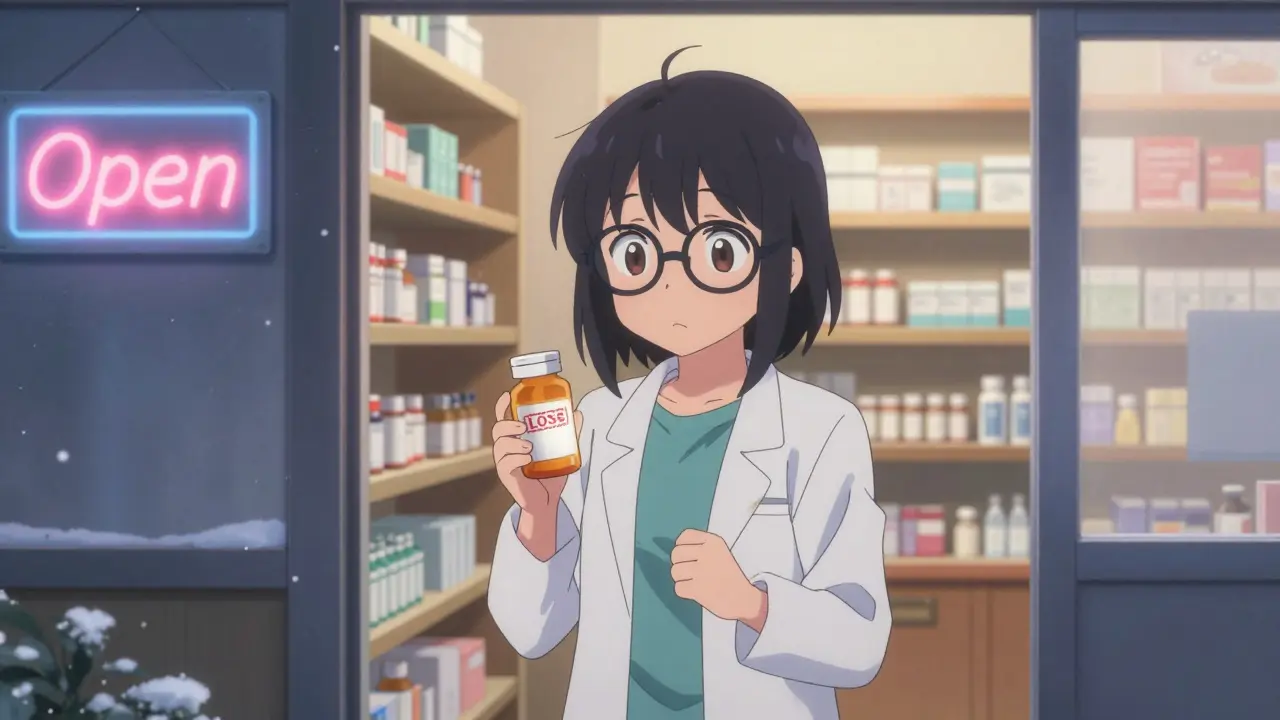
When you pick up a prescription at the pharmacy, you might not think about how much the pharmacy actually gets paid for it. But behind that simple transaction lies a complex financial system that determines whether a pharmacy makes money - or loses it - when it fills a generic drug. This system, called pharmacy reimbursement, is changing how pharmacies operate, what drugs they stock, and even whether they stay in business. And at the heart of it all is generic substitution: the practice of replacing a brand-name drug with a cheaper, chemically identical version.
Generic drugs aren’t just cheaper - they’re often 80% to 90% less expensive than their brand-name counterparts. In 2023, over 90% of all prescriptions filled in the U.S. were for generics, up from just 33% in 1993. That’s a massive shift. But here’s the twist: even though generics save patients and insurers money, the way pharmacies are paid for them can actually hurt their bottom line - or, in some cases, reward them for doing the opposite of what’s best for patients.
How Pharmacies Get Paid for Generic Drugs
Pharmacies don’t get paid a fixed amount for every prescription. Instead, their reimbursement comes from a mix of two parts: the cost of the drug itself (the ingredient cost) and a flat fee for dispensing it (the dispensing fee). For brand-name drugs, reimbursement used to be based on the Average Wholesale Price (AWP), a list price that often had little to do with what pharmacies actually paid. But for generics, the system changed.
Today, most payers - including Medicaid, Medicare Part D, and private insurers - use something called a Maximum Allowable Cost (MAC) list. This is a database that sets the highest price a pharmacy will be reimbursed for a specific generic drug. The problem? These lists aren’t standardized. One PBM might set a MAC of $5 for a 30-day supply of lisinopril, while another sets it at $12. And pharmacies often don’t know what the MAC is until after they’ve already bought the drug.
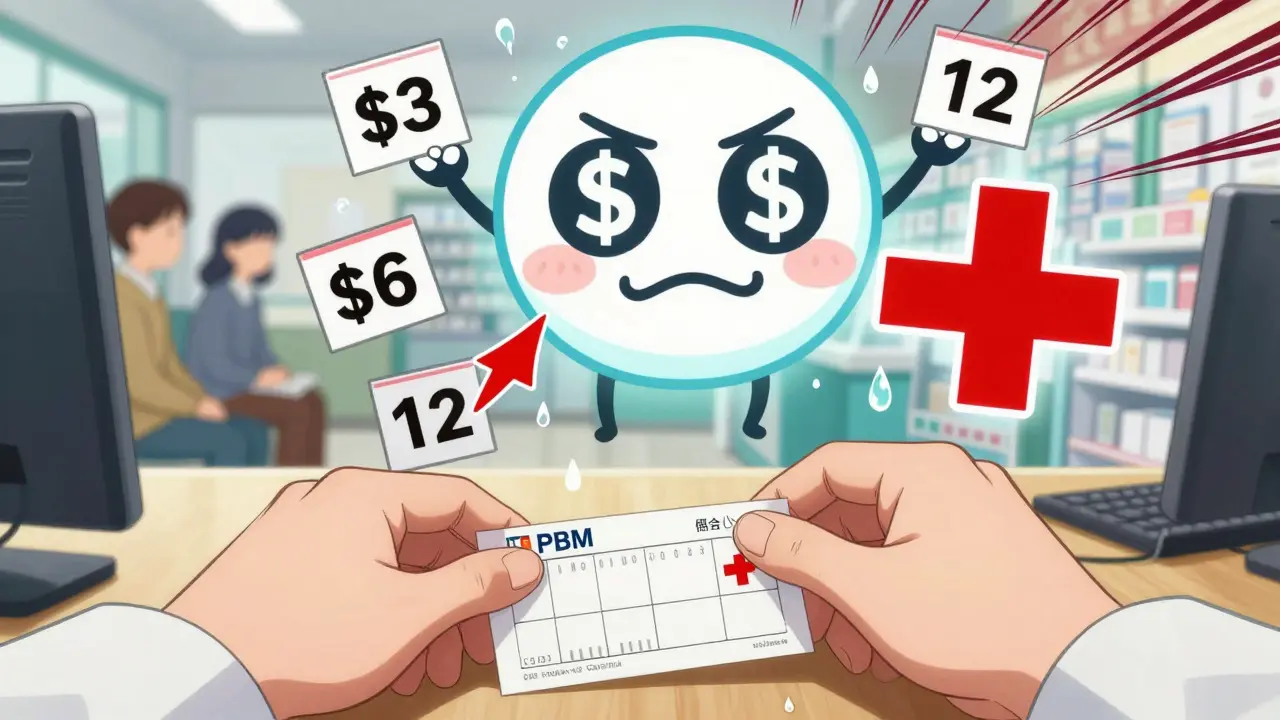
That’s where the real financial trap kicks in. Many pharmacies buy generics from wholesalers at prices higher than the MAC. So they fill the prescription, get reimbursed $5, but paid $8 to get the drug off the shelf. They lose $3 on every prescription. That’s not a business model - it’s a charity.
The Hidden Profit: Spread Pricing and PBMs
Who benefits from this mess? Pharmacy Benefit Managers (PBMs). These are the middlemen between insurers, pharmacies, and drug manufacturers. There are only three big ones - CVS Caremark, Express Scripts, and OptumRx - and together they handle about 80% of all prescription claims in the U.S.
PBMs make money through something called spread pricing. Here’s how it works: they negotiate a low price with drug manufacturers (say, $3 for a generic pill), then tell the pharmacy to buy it for $6. Then they tell the insurer or Medicare: “We paid $6 for this drug.” But they never actually paid $6. They paid $3. The $3 difference? That’s their profit. And they only make that profit if the pharmacy doesn’t know the real cost.
Studies have shown that some generic drugs on the same MAC list cost 20 times more than their therapeutic alternatives - even though they do the exact same thing. Why? Because PBMs put the higher-priced version on their formulary. The pharmacy has no choice. They fill it, get reimbursed $12, but the PBM only paid $1 for it. The patient pays the same copay. The insurer thinks they’re getting a deal. And the PBM pockets the difference.
Why Pharmacists Can’t Always Choose the Cheapest Option
You’d think pharmacists would always pick the cheapest generic. But they don’t always have that option. Many PBMs use a system called Generic Effectiveness Rates (GERs). These contracts say: “We’ll only reimburse you if you dispense at least 70% of your generics through our approved list.” If you don’t comply, your reimbursement drops. So even if a cheaper generic is available at your local wholesaler, you’re locked into using the one the PBM wants - even if it costs more.
And it gets worse. Some PBMs don’t even let pharmacies know what the MAC is until after they’ve purchased the drug. That means a pharmacist might stock a generic based on what they think is a fair price - only to find out later that the PBM will reimburse them $2 less than they paid. That’s not a business decision. It’s a gamble.
The Real Cost: Independent Pharmacies Are Dying
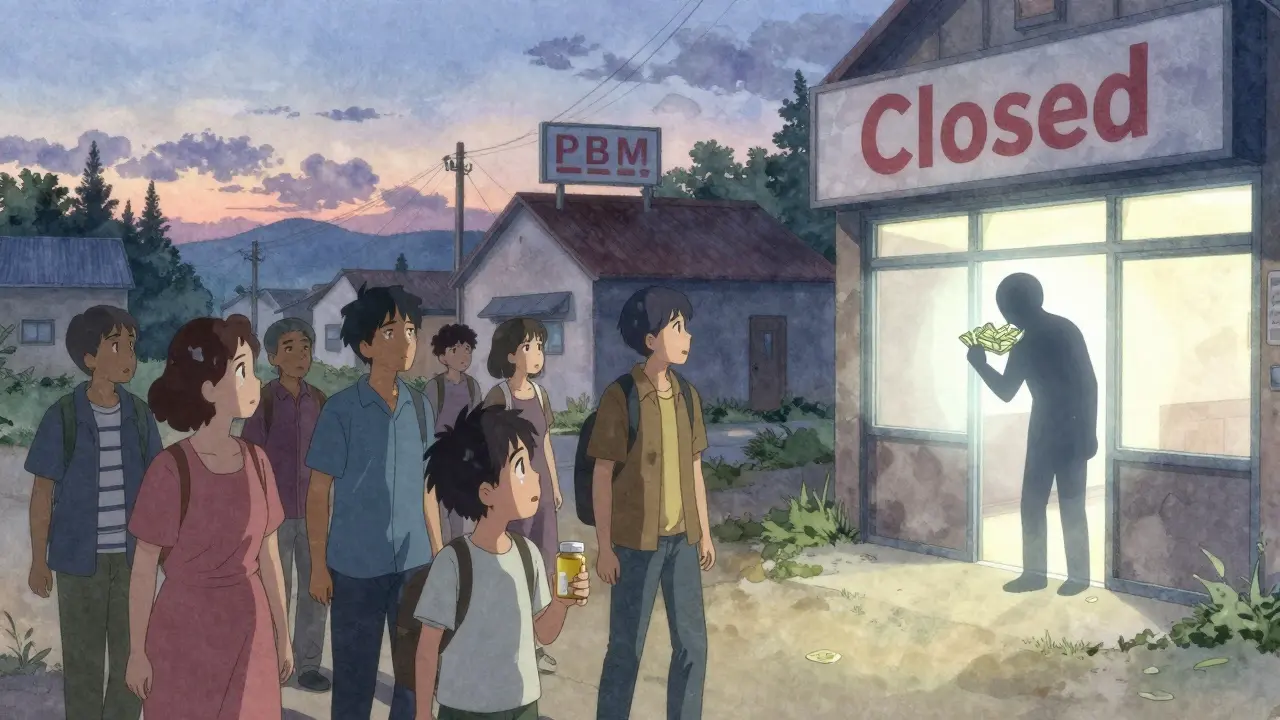
Over 3,000 independent pharmacies closed between 2018 and 2022. Why? Because they can’t survive on $0.50 to $1.50 profit per generic prescription. Some pharmacies are so squeezed that they fill 200 prescriptions a day just to make $100 in profit. That’s not sustainable.
Meanwhile, big chains like Walgreens and CVS own their own PBMs. That gives them an unfair advantage. They can buy drugs at wholesale prices, then use their own PBM to reimburse themselves at MAC rates - keeping the spread. Independent pharmacies don’t have that luxury. They’re stuck paying the same prices as before, but getting paid less.
The result? Rural pharmacies are disappearing. Patients in small towns now have to drive 30 miles to fill a prescription. That’s not just inconvenient - it’s dangerous for people with chronic conditions like diabetes or heart disease.
Therapeutic Substitution: The Real Savings Are Hidden
Most people think generic substitution means swapping one brand-name drug for its generic twin. But the biggest savings come from therapeutic substitution: switching from a high-cost brand-name drug to a different, equally effective generic drug that’s not even the same chemical.
For example, instead of switching from Lipitor (atorvastatin) to its generic, a doctor might switch to simvastatin - a different statin that’s been generic for years and costs 80% less. The Congressional Budget Office found that in 2007, switching just seven types of brand-name drugs to cheaper therapeutic alternatives saved $4 billion. Switching brand-name generics to other generics? Only $900 million.
But here’s the catch: PBMs rarely incentivize therapeutic substitution. Why? Because it’s harder to control. They can’t just slap a higher MAC on a different drug - they’d have to negotiate with manufacturers, update formularies, and educate prescribers. It’s easier to just keep the same generic on the list and let the spread pricing do the work.
What’s Changing? New Rules and Rising Pressure
The federal government is starting to pay attention. The Inflation Reduction Act of 2022 forced Medicare Part D to disclose drug pricing. That’s a start. But it doesn’t yet apply to private insurers.
Fifteen states have created Prescription Drug Affordability Boards (PDABs) that set Upper Payment Limits (UPLs) - basically, the maximum amount insurers can be charged for a drug. If a drug’s price goes above that limit, the state can step in. This is pushing PBMs to stop inflating prices.
The Federal Trade Commission (FTC) is now investigating PBM spread pricing practices. In 2023, they found that some PBMs were deliberately listing higher-priced generics to maximize profits. That could lead to new rules forcing transparency.
And some pharmacies are pushing back. A growing number are switching to cost-plus reimbursement, where they get paid a fixed percentage over what they paid for the drug, plus a dispensing fee. It’s fairer. But PBMs hate it - because it cuts into their spread. So they’re fighting back with contract penalties and lower reimbursement rates.
What This Means for Patients and Pharmacists
For patients, the system is a minefield. You’re told you’re saving money - and you are. But the savings aren’t always going where they should. Your insurer might pay less, but your pharmacy might be losing money. And if your pharmacy closes? You lose access.
For pharmacists, it’s worse. You’re caught between doing what’s best for your patient and staying in business. You know the cheapest option. But if you switch to it, you might get reimbursed less than you paid. So you stick with the PBM’s drug - even if it’s more expensive.
And here’s the truth: the system is designed to make pharmacies look like the problem. “Why are drug prices so high?” people ask. “Because pharmacies charge too much.” But the real issue isn’t the pharmacy. It’s the lack of transparency in how PBMs set reimbursement rates.
The Way Forward
There’s no easy fix. But the signs are clear:
- Pharmacies need to know the MAC before they buy the drug - not after.
- PBMs should be required to disclose their net acquisition costs.
- Therapeutic substitution should be incentivized, not blocked.
- Cost-plus reimbursement models should be allowed - and encouraged.
- Independent pharmacies need protection from PBM contract bullying.
Without these changes, we won’t just lose pharmacies - we’ll lose access to care. And that’s not a cost-saving measure. That’s a public health crisis.