Ever wonder why a $10 generic drugsmedications containing the same active ingredients as brand-name drugs but sold at lower prices feels less effective than a $50 brand-name version-even when they're chemically identical? You're not alone. Research shows this isn't just a feeling-it's a real psychological effect with serious consequences for healthcare.
What's Really Happening? The Price-Quality Heuristic
Our brains use shortcuts to judge quality. One common shortcut is the price-quality heuristic: we assume higher price means better quality. This happens even with medicine. A 2023 study published in PMC tracked 60 volunteers in a controlled trial. All participants took a placebo drug labeled as either "expensive" or "cheap." The study design ensured 72% of "patients" healed regardless of price. But those told the drug was expensive rated its effectiveness 30% higher than the same drug labeled as cheap. This isn't just theory-it's a measurable psychological effect.
Real-World Evidence: When Placebos Feel Stronger
Placebo effects aren't just about sugar pills. They shape real treatment outcomes. In a University of Auckland study, participants alternated between branded and generic placebos for headaches. Both were identical sugar pills. Yet when they took the "generic" version, they reported significantly more pain and symptoms. The difference? Their expectation. They believed the branded pill was stronger simply because of the label. This shows how price cues can override actual drug effects. Even when the drug is fake, your mind decides how well it works.
Why Do Patients Doubt Generic Drugs?
Surveys reveal widespread skepticism. A national survey cited in US Pharmacist found 25% of Americans believe generic drugs are less effective. Another 20% think they're less safe. Even more-20-40%-are unsure if generics match brand names. This doubt isn't random. It's tied to physical differences. UCSFUniversity of California, San Francisco, a leading medical research institution pharmacists explain: "Many people view generics as inferior because of visible differences. A brand-name tablet might have a shiny coating that tastes nice and goes down easy. The generic could be a chalky white pill with a bitter aftertaste." These small differences trigger big doubts.
The FDA's Role: More Than Just a Stamp of Approval
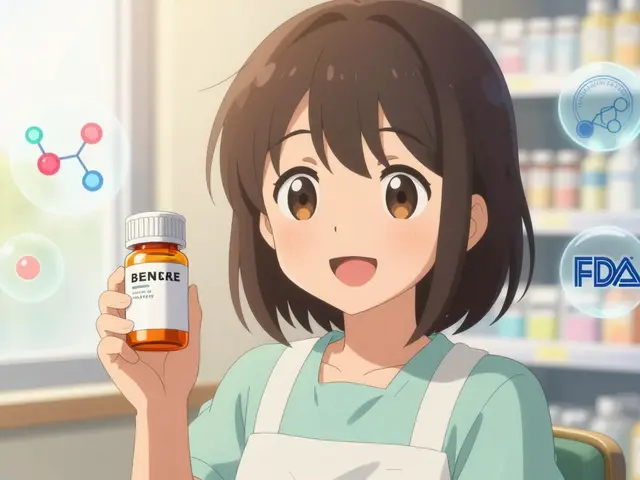
The FDAU.S. Food and Drug Administration, responsible for regulating medications requires generics to meet strict standards. They must contain the same active ingredients, strength, and dosage form as brand-name drugs. Crucially, they must prove bioequivalencethe measure of how similarly a drug behaves in the body compared to the original-delivering the same amount of medicine into your bloodstream within 80-125% of the brand. This means the generic works the same way in your body. But here's the problem: most patients don't know this. A CDC study found patients often say things like "Generic medicine is less potent" or "Name brand is more powerful." This disconnect between science and perception creates real risks.
The Cost of Misunderstanding: $37 Billion in Savings at Risk
Generic drugs save the U.S. healthcare system $37 billion each year. They account for 90% of prescriptions but only 23% of drug spending. If patients avoid generics due to price perceptions, those savings vanish. Worse, medication non-adherence costs the system billions more. When people skip doses because they doubt the generic, health outcomes suffer. This isn't hypothetical. Research shows patients who distrust generics are more likely to skip doses or switch back to expensive brand names unnecessarily.
Talk to Your Doctor: The Key to Better Generic Use
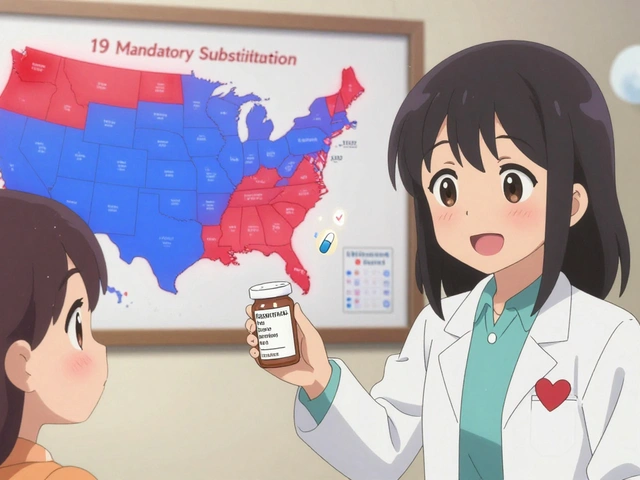
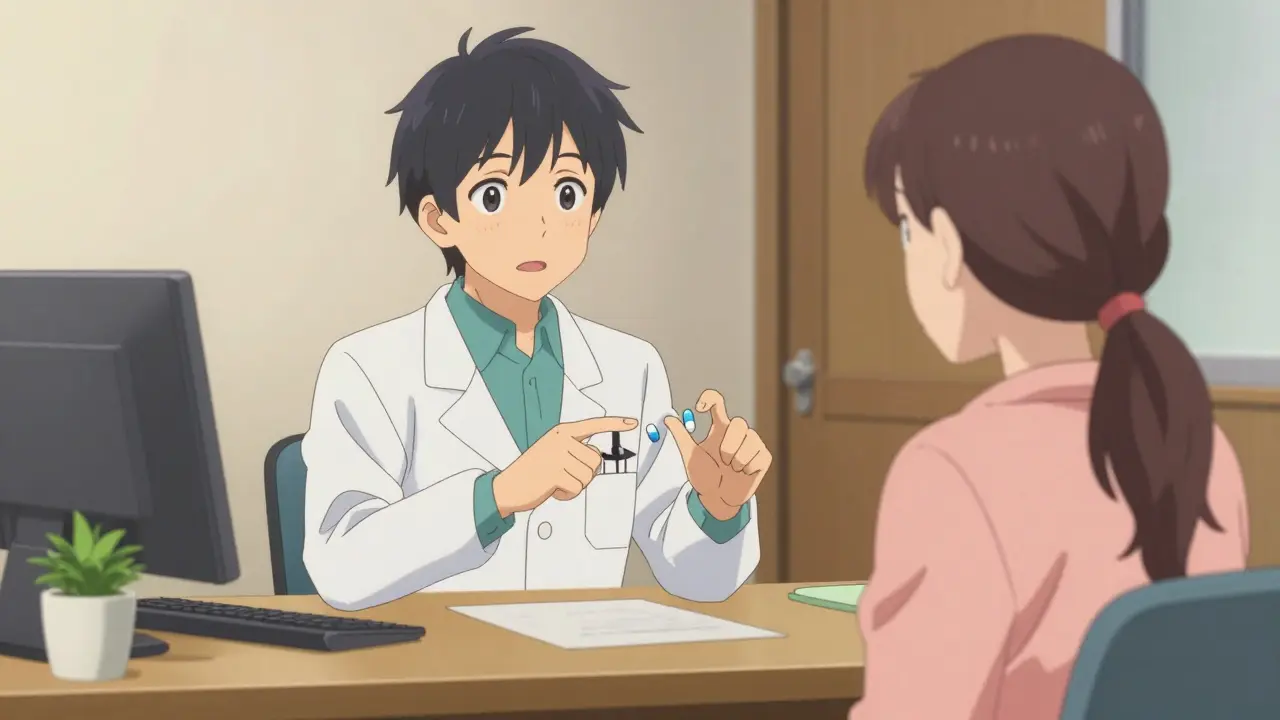
Doctors play a critical role. A study by Shrank and colleagues found generic medication use was most strongly linked to how doctors communicate about generics. Simple conversations make a difference. "This generic has the same active ingredient as your brand name," or "Your insurance covers the generic at a lower cost," can build trust. But many patients report dissatisfaction with doctor communication. One-third express confusion about generic substitution. Clear, honest dialogue from healthcare providers is essential to bridge the gap between perception and reality.
Breaking the Cycle: Education vs. Experience
Education helps-but not always. A study by Colganresearcher who studied perceptions of generic medicines showed that teaching people about generics improved their understanding and willingness to use them. Yet this didn't translate to better perceived efficacy. In other words, knowing generics are effective doesn't always make patients feel the drugs work better. This gap between knowledge and experience is tricky. The solution? Combine education with real-world examples. Doctors can say: "I've prescribed this generic to hundreds of patients. It works just as well." Trust builds when you see proof.
Understanding why price affects perception is critical. It's not about the drug itself-it's about our minds. When we know the science, we can make better choices. Doctors, pharmacists, and patients all have a role in closing the gap between price and perceived effectiveness.
Are generic drugs really as effective as brand names?
Yes. The FDA requires generic drugs to have the same active ingredients, strength, and dosage form as brand-name drugs. They must also meet strict bioequivalence standards, meaning they deliver the same amount of medicine into your bloodstream at the same rate. Studies consistently show no difference in effectiveness between generics and brand names when used correctly.
Why do people think cheaper drugs don't work as well?
Price triggers the price-quality heuristic: our brains assume higher cost equals better quality. Physical differences like pill color, size, or taste also reinforce this belief. For example, a shiny brand-name tablet might feel more "premium" than a chalky generic. Studies show people rate expensive placebos as more effective-even when both are identical sugar pills. This perception isn't based on science but on psychological expectations.
How does the FDA ensure generics are safe?
The FDA requires generics to prove bioequivalence. This means they must deliver the same amount of active ingredient into your bloodstream within 80-125% of the brand-name drug. They also follow the same manufacturing standards, including quality control and safety checks. Every generic must pass rigorous testing before approval. No generic is approved without demonstrating it works as well as the original.
Can the placebo effect influence how a drug works?
Absolutely. Placebo effects are real and measurable. In studies, people who believe they're taking an expensive drug report better results-even when it's a sugar pill. The University of Auckland research showed participants felt more pain after taking a "generic" placebo compared to a "branded" one, even though both were identical. Your expectations directly shape how you experience treatment.
What should I ask my doctor about generics?
Ask: "Is there a generic version available for my prescription?" and "How does it compare to the brand name?" Also, discuss any concerns about side effects or effectiveness. Doctors can explain why a generic is a safe choice and how it's monitored by the FDA. Don't hesitate to ask for clarification-this is key to making informed decisions about your health.
Do physical differences in pills affect how well they work?
No. The FDA requires generic drugs to contain the same active ingredients as brand names. Differences in color, shape, or taste come from inactive ingredients like fillers or coatings. These don't affect the drug's effectiveness. However, they can influence perception. A shiny brand-name tablet might feel more "premium," while a chalky generic might seem less trustworthy-but both work the same way in your body.
How much money do generic drugs save?
Generic drugs save U.S. healthcare systems $37 billion annually. They account for 90% of all prescriptions but only 23% of total drug spending. This massive savings comes from lower prices without sacrificing effectiveness. If patient skepticism reduces generic use, these savings-and the access they provide-could disappear.