Medication Dose Adjustment Calculator
Medication Interaction Calculator
Results
Important Safety Note:
Dose adjustments should always be made under medical supervision. This tool provides general guidance only.
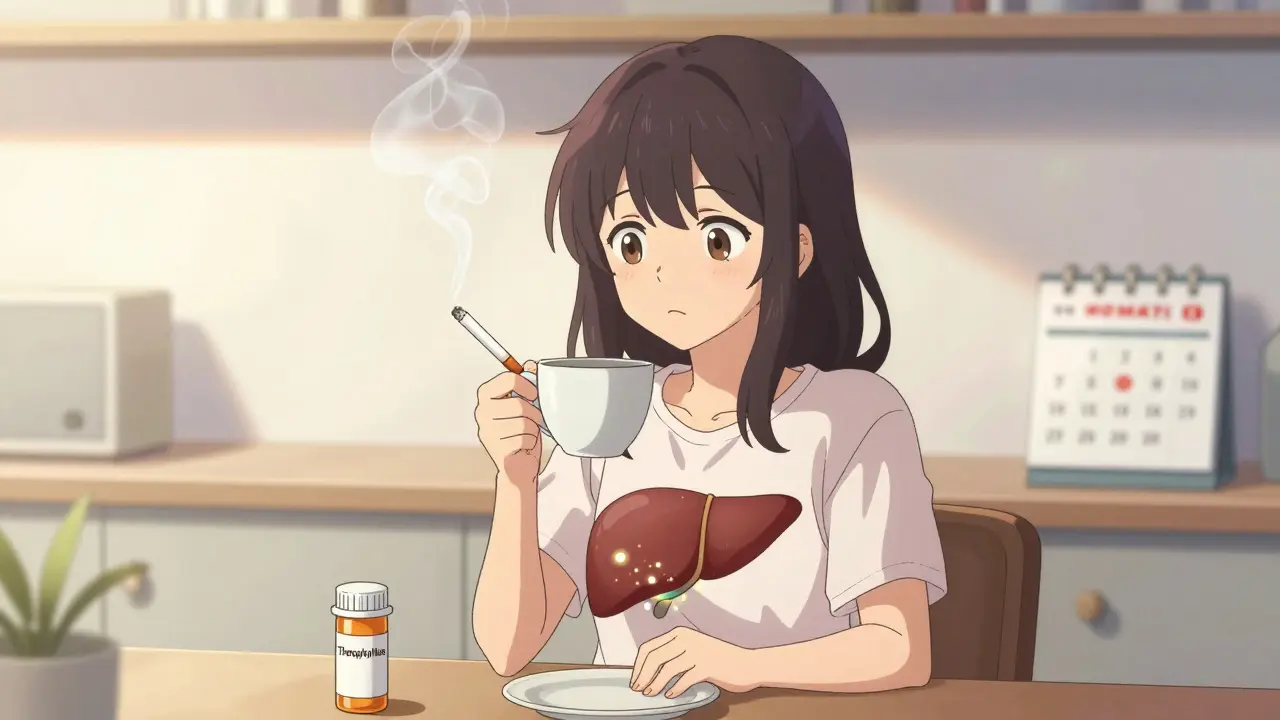
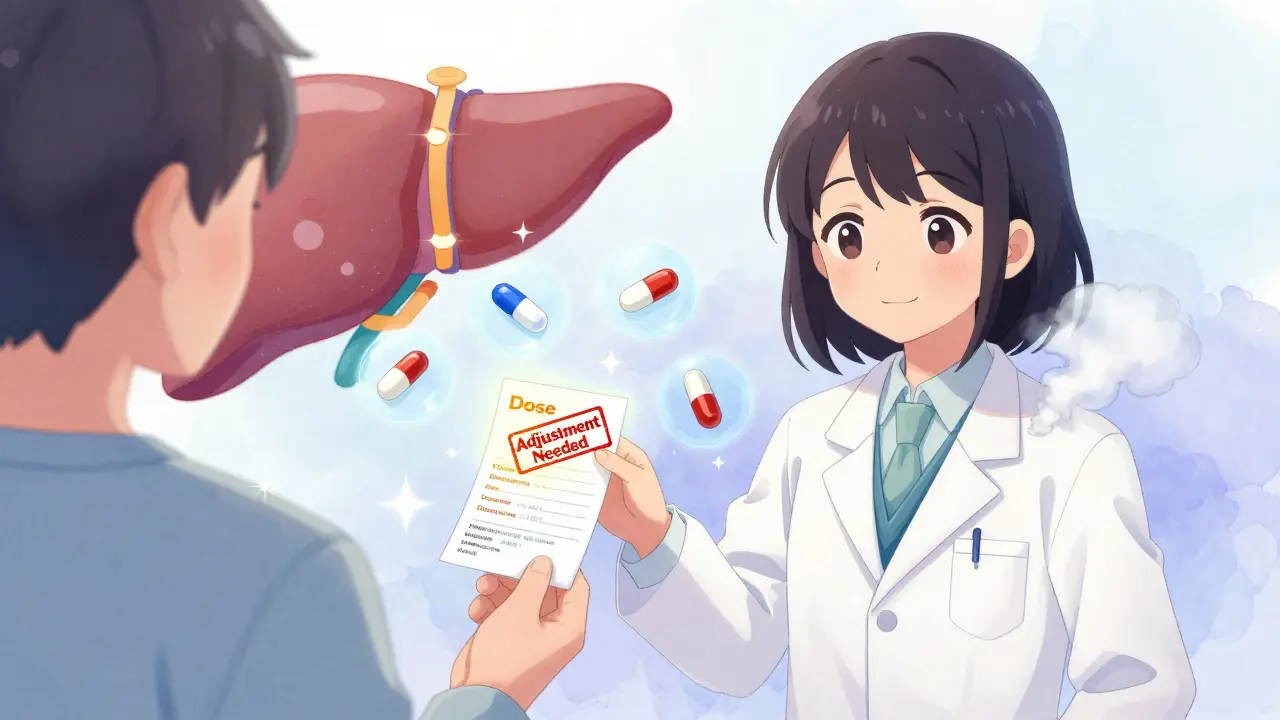
When you smoke, your body doesn’t just absorb nicotine. It also triggers a chain reaction that changes how your medications work - often without you noticing until something goes wrong. This isn’t theory. It’s a well-documented, clinically significant interaction that affects thousands of people every year. The culprit? Your liver’s drug-processing enzymes, especially CYP1A2, which gets turned up to high gear by chemicals in cigarette smoke. If you’re on certain medications, this can mean your pills stop working - or worse, suddenly become dangerous.
What Happens in Your Body When You Smoke
Tobacco smoke contains chemicals called polycyclic aromatic hydrocarbons (PAHs). These aren’t just toxins - they’re signalers. When they enter your bloodstream, they bind to a receptor in your liver cells called the aryl hydrocarbon receptor (AhR). This activates a switch that tells your liver to make more of certain enzymes, especially CYP1A2, CYP1A1, CYP2E1, and some UGT enzymes. These enzymes break down drugs. More enzymes? Faster breakdown. That means your meds get cleared out of your system quicker than they should.
The effect doesn’t happen overnight. It takes about 10 to 14 days of regular smoking - around 10 or more cigarettes a day - for enzyme levels to peak. But once they do, the impact is real. Studies show CYP1A2 activity increases by 30% to 50% in smokers. That’s not a small change. For some drugs, it means you need twice as much just to get the same effect.
Which Medications Are Most Affected?
Not all drugs are equally affected. The ones at highest risk are those that rely heavily on CYP1A2 for metabolism. Here are the big ones:
- Theophylline - Used for asthma and COPD. Smokers clear it 63% faster. That means many smokers need 50% higher doses just to control symptoms. When they quit, levels can spike dangerously high, leading to seizures or heart rhythm problems.
- Clozapine - An antipsychotic for treatment-resistant schizophrenia. Smokers need up to 50% more to reach therapeutic levels. After quitting, plasma concentrations can double within two weeks. There are over 140 documented cases of clozapine toxicity after smoking cessation, mostly within 14 days.
- Olanzapine - Another antipsychotic. Smokers show 98% faster clearance. Dose adjustments are often needed.
- Duloxetine - An antidepressant and nerve pain medication. CYP1A2 handles a major part of its breakdown. Smokers may need higher doses; quitters risk side effects like dizziness or nausea.
- Caffeine - Yes, caffeine. It’s used as a test marker because its clearance drops by 30-50% after quitting smoking. If you suddenly can’t tolerate your morning coffee after quitting, this is why.
- Methadone - While CYP3A4 is its main pathway, CYP1A2 plays a minor role. Smokers may clear it 15% faster. This can affect pain control or opioid withdrawal management.
- Mexiletine - An antiarrhythmic. Clearance increases by 25%, half-life drops by 36%. This can lead to under-dosing and dangerous heart rhythms.
- Pioglitazone - A diabetes drug. Smokers may need 20-30% higher doses to keep blood sugar in range. Quitting can cause hypoglycemia if doses aren’t lowered.
On the flip side, drugs like sertraline, fluoxetine, or metoprolol - metabolized mostly by CYP2D6 - show little to no change. So not every med is affected. But if your drug is on this list, ignoring smoking status is a risk.

The Real Danger: Quitting Smoking
Most people think the problem is only when you smoke. But the bigger clinical risk is when you stop. That’s when enzyme levels start dropping - fast. Within 72 hours, CYP1A2 activity begins to fall. By day 7, it’s down 30%. By day 14, it’s back to normal. But your medication dose hasn’t changed. That means you’re now taking the same amount of drug as before, but your body is clearing it 50% slower. Result? Toxic buildup.
Pharmacists in Reddit threads and hospital reports describe the same pattern: a patient quits smoking, feels fine for a few days, then ends up in the ER with theophylline toxicity or clozapine overdose. One pharmacist wrote: "Had a patient hospitalized for theophylline toxicity 10 days after quitting smoking - levels went from subtherapeutic to toxic without dose change."
Doctors rarely warn patients about this. A 2022 survey found only 37% of primary care physicians routinely check smoking status when prescribing theophylline - even though it’s one of the most affected drugs. That’s a gap with real consequences.
What Should You Do?
If you smoke and take any of the medications listed above:
- Know your meds. Ask your pharmacist or doctor: "Is this drug affected by smoking?" If they don’t know, ask for a review.
- Track your smoking. Keep a log: how many cigarettes a day, for how long. This helps your provider adjust doses accurately.
- If you’re quitting - plan ahead. Don’t assume your dose is still right. Talk to your provider at least 1 week before quitting. For high-risk drugs like clozapine or theophylline, expect to reduce your dose by 25-50% within 3-7 days after quitting.
- Monitor symptoms. For antipsychotics: increased sedation, dizziness, confusion. For theophylline: nausea, tremors, rapid heartbeat. For diabetes meds: sweating, shakiness, dizziness (signs of low blood sugar).
- Use testing if available. A new FDA-approved test called SmokeMetrix® measures CYP1A2 activity using a caffeine challenge. It’s not everywhere yet, but it’s becoming available in specialty clinics.
The NHS Specialist Pharmacy Service and UCSF both recommend a clear protocol: document smoking status at every visit. Update your dose when it changes. Don’t wait for an emergency.
Why This Matters Beyond the Individual
This isn’t just about one person’s medication. It’s a public health blind spot. In the U.S., over 34 million adults smoke. Of those, nearly half try to quit each year. That means tens of thousands of people are at risk for dangerous drug reactions after quitting - and most don’t know it.
Pharmaceutical companies are feeling the impact. Pfizer reported $187 million in extra costs in 2021 just from monitoring theophylline levels in smokers and quitters. Hospitals are seeing avoidable admissions. The AHRQ estimates tobacco-drug interactions cost the U.S. healthcare system $2.3 billion annually.
Regulators are catching on. Since 2015, the FDA requires all new drugs metabolized by CYP1A2 to include smoking interaction warnings. The European Medicines Agency will soon require specific dosing guidance for smokers and quitters on all new antipsychotics. The WHO is pushing to make smoking status a mandatory field in electronic health records by 2027.
Bottom Line
Smoking isn’t just bad for your lungs. It’s a hidden variable in your medication regimen. If you smoke and take any of the drugs listed here - theophylline, clozapine, olanzapine, duloxetine, pioglitazone, mexiletine, or methadone - you’re not just taking a pill. You’re taking a pill that’s being processed differently than it was designed for.
And if you quit - even for your health - don’t assume your meds will still work the same. Your body is changing. Your dose might need to change too. The best time to talk about this isn’t after you’re in the hospital. It’s before you even light your first cigarette of the day.