
Learn which heartburn medications are safe during pregnancy, including antacids like Tums, H2 blockers like Pepcid, and PPIs like Prilosec. Find out what to avoid and how to manage symptoms naturally.

Elderly patients often switch to generic medications to save money, but age-related changes in the body and low health literacy can affect safety and adherence. Learn which drugs need caution, how to monitor for side effects, and what questions to ask your doctor.
Generic drugs for children may save money, but they aren't always safe. Learn the hidden risks, the KIDs List, dosing mistakes, and what parents and doctors must do to protect kids from dangerous medication errors.
States use Preferred Drug Lists, pharmacist substitution rules, and copay differences to push generic drug use. These policies save billions without compromising care - but unintended rebate rules are putting some generics at risk.
Many generic medications contain hidden allergens like lactose, gluten, or food dyes that can trigger reactions-even when the active ingredient is the same as the brand name. Learn how to identify risky excipients and protect yourself.
Learn how to stop moisture from ruining your pills and capsules with simple storage tips, desiccant use, and packaging advice backed by pharmaceutical research. Protect your meds and ensure they work when you need them.
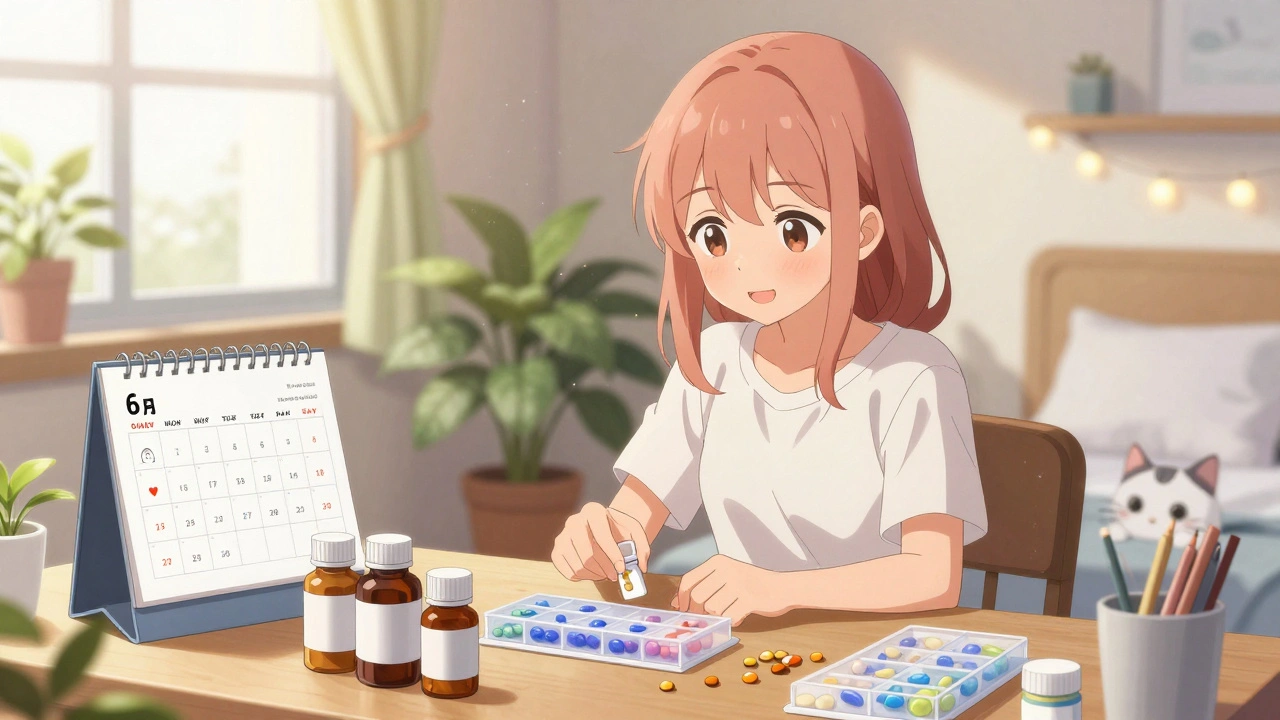
Create a simple medication expiration review schedule to avoid using ineffective or dangerous drugs. Learn how to check, sort, store, and dispose of pills safely with expert-backed steps and real-world tips.
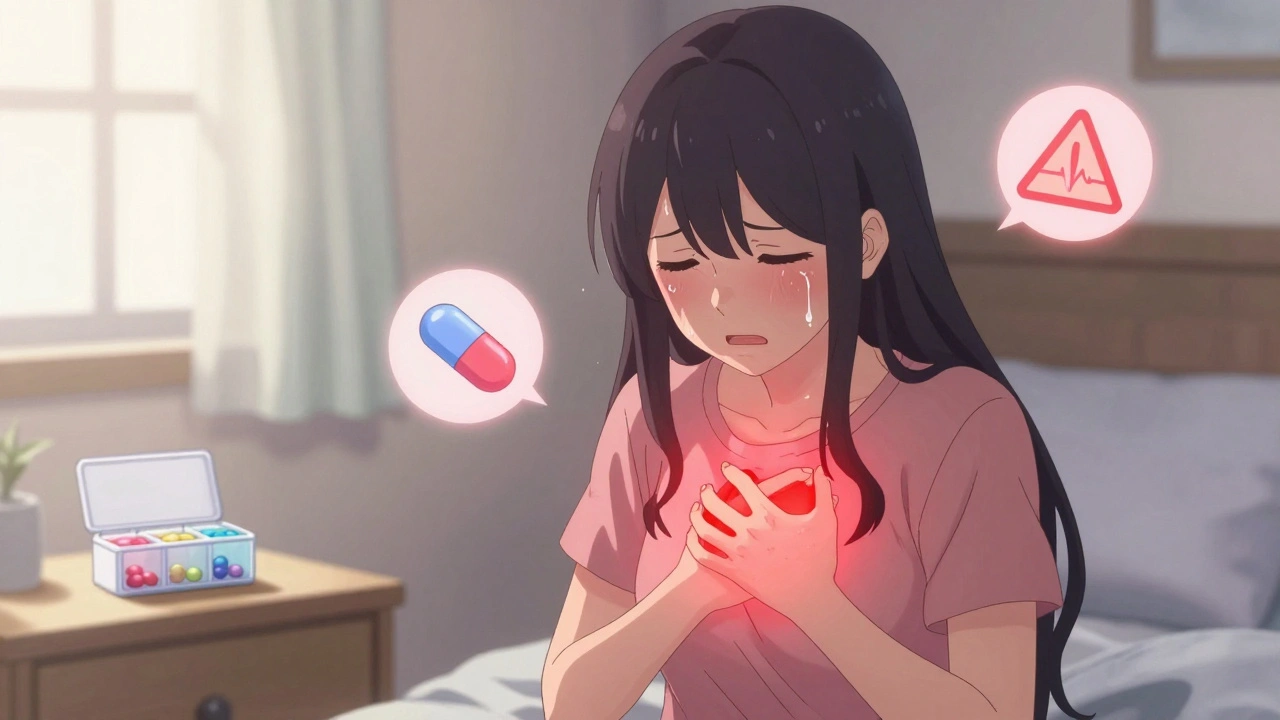
Learn the early warning signs of dangerous medication side effects that can lead to hospitalization or death. Know when to act fast and how to protect yourself before it's too late.

Discover how disrupted sleep and circadian rhythm sabotage weight loss by slowing metabolism and increasing cravings. Learn how timing your meals can help you lose weight without cutting calories.
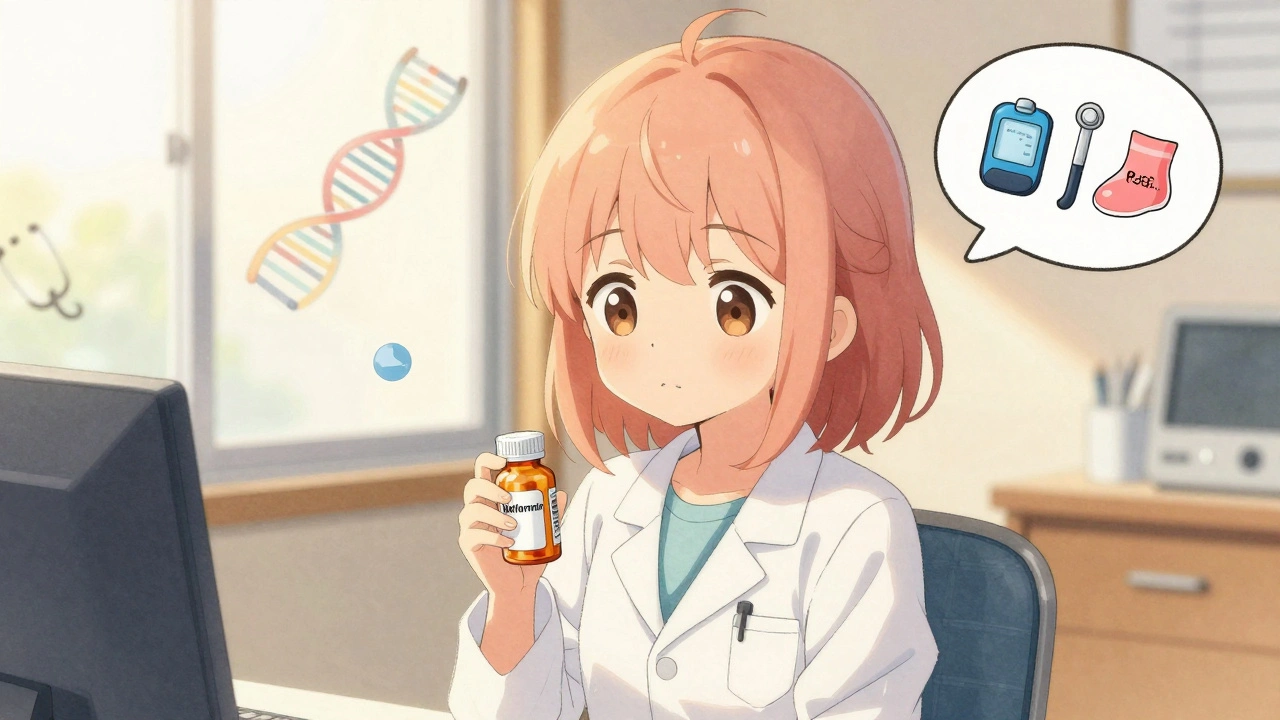
Off-label drug use is common, legal, and often necessary - but not always safe. Learn why doctors prescribe medications beyond FDA approval, how it impacts patients, and what you need to know before taking an unapproved drug.
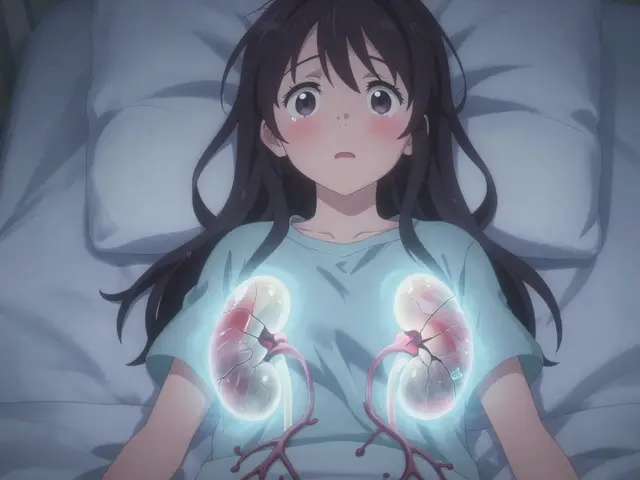
Hepatorenal syndrome is a life-threatening kidney failure that occurs in advanced liver disease. It's not caused by kidney damage, but by circulatory changes from liver failure. Early diagnosis and treatment with terlipressin or transplant can save lives.

Sudden shortness of breath could be a sign of pulmonary embolism - a life-threatening blood clot in the lungs. Learn the key symptoms, how doctors diagnose it, and why acting fast saves lives.

This article offers an in-depth exploration of Sildalis, a combination therapy of Sildenafil and Tadalafil. It sheds light on the medical benefits, potential side effects, and the recommended dosages of this treatment. Furthermore, it provides guidance on how to safely obtain a Sildalis prescription online, empowering readers with essential knowledge for making informed health decisions.
States use Preferred Drug Lists, pharmacist substitution rules, and copay differences to push generic drug use. These policies save billions without compromising care - but unintended rebate rules are putting some generics at risk.
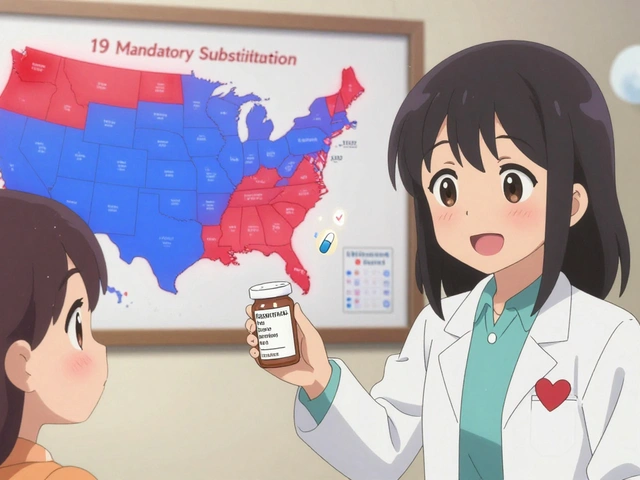
State laws determine whether pharmacists must or can switch your brand-name prescription to a cheaper generic. These rules affect your costs, safety, and access-and vary widely across the U.S.