Medication Side Effect Checker
Check for dangerous medication side effects
This tool helps you recognize potential serious medication reactions. It is not a medical diagnosis. Always consult a healthcare professional for medical advice.
Select your symptoms:
Taking medication shouldn’t feel like rolling the dice. Millions of people rely on prescriptions every day to manage chronic conditions, treat infections, or ease pain. But behind every pill, injection, or inhaler is a risk you might not see coming: a dangerous side effect that can turn harmless into life-threatening in hours. The good news? Most serious reactions don’t come out of nowhere. They start with subtle, often ignored signals - if you know what to look for.
What Makes a Side Effect Dangerous?
Not all side effects are created equal. A dry mouth from an antihistamine? Annoying, but not dangerous. A rash that spreads and itches? Could be harmless. But when side effects involve your breathing, heart, liver, or brain - that’s when you need to act fast. The U.S. Food and Drug Administration defines a serious adverse drug reaction as one that leads to death, hospitalization, disability, or permanent damage. In 2022 alone, over 1.3 million people went to the emergency room because of these reactions. About 128,000 died. Most of these weren’t caused by illegal drugs or overdoses - they happened because someone took a prescribed medication and didn’t recognize the warning signs until it was too late. The key difference between common side effects and dangerous ones is speed and severity. If a symptom starts within an hour of taking a new medication and gets worse fast, don’t wait. Don’t check online. Don’t call your doctor tomorrow. Call 911.Red Flags That Demand Immediate Action
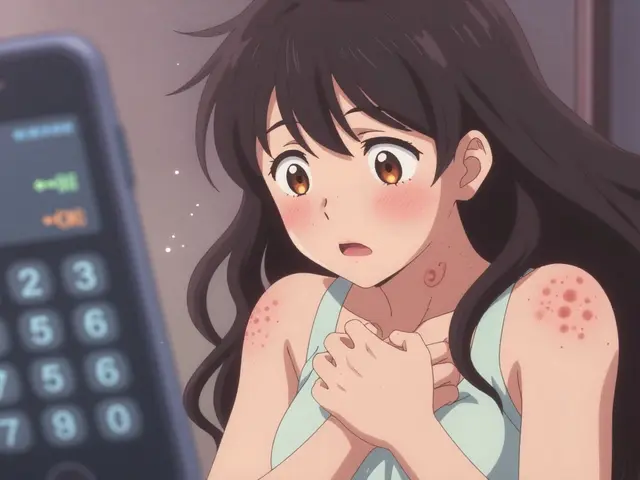
Here are the five most urgent signs you’re having a dangerous reaction - and what they mean:- Difficulty breathing or swelling of the face, lips, tongue, or throat - This isn’t just allergies. It’s anaphylaxis, a full-body reaction that can shut down your airways in minutes. Hives or red blotches on the skin often appear at the same time. If you’ve ever been told you’re allergic to penicillin or sulfa drugs, this risk is higher. But it can happen with any medication - even ones you’ve taken before without issue.
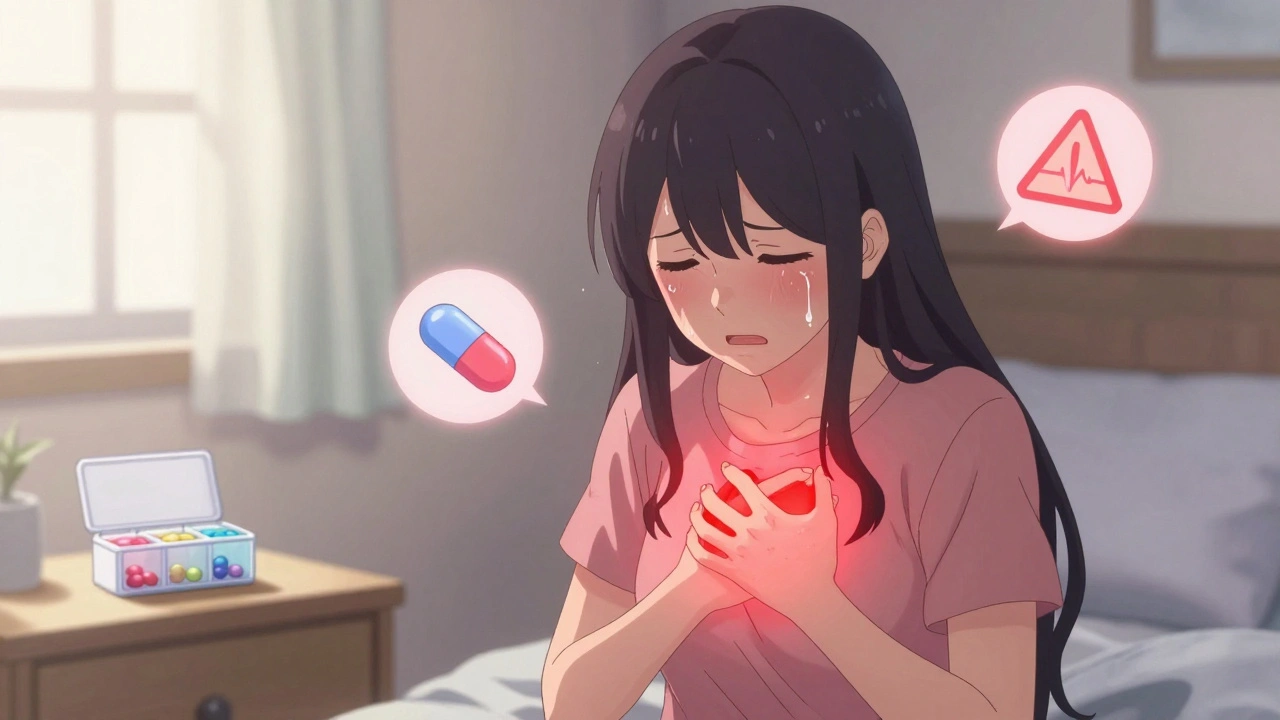
- Chest pain or heart racing (over 100 beats per minute) - Some medications, especially those for blood pressure, depression, or diabetes, can throw off your heart rhythm. If you feel like your heart is pounding out of your chest, or you have tightness in your chest that doesn’t go away, get help. Untreated, this can lead to cardiac arrest within minutes.
- Unusual bleeding or bruising - If you’re taking blood thinners, NSAIDs like ibuprofen, or even certain antibiotics, your body might start bleeding internally. Look for blood in your stool, vomit, or urine. Or notice bruises on your arms or legs that appeared for no reason. This isn’t just a bruise - it could mean your blood isn’t clotting properly.
- Seizures or loss of consciousness - Any sudden change in mental state, confusion, twitching, or passing out after starting a new drug is a red flag. This can happen with antibiotics, antidepressants, or even over-the-counter sleep aids when mixed with other meds. It’s a sign your central nervous system is being overwhelmed.
- Yellowing skin or eyes with severe stomach pain - This combo is a classic sign of liver or pancreas damage. Medications like semaglutide (Ozempic, Wegovy) or methotrexate can cause this. The liver can’t process toxins anymore, and the pancreas is inflamed. Without treatment, organ failure can happen in under 48 hours.
Less Obvious - But Just as Deadly - Signs
Some dangerous reactions don’t scream for attention. They whisper. And by the time you notice, it’s often too late.- Extreme fatigue and shortness of breath - If you’re suddenly exhausted, even after sleeping, and you’re out of breath climbing stairs, it could be drug-induced anemia. Your body isn’t making enough red blood cells. This is common with chemotherapy drugs, some antibiotics, or even long-term use of proton pump inhibitors for acid reflux.
- Swelling in your legs or abdomen - Fluid retention isn’t just weight gain. When your kidneys or liver are failing from medication toxicity, fluid builds up. You might notice your shoes don’t fit, your belly looks swollen, or your fingers feel tight in rings.
- Fever, swollen lymph nodes, and a rash that spreads - This could be DRESS syndrome (Drug Rash with Eosinophilia and Systemic Symptoms). It’s rare, but deadly. It often starts with a mild rash, then fever hits, lymph nodes swell, and your liver gets damaged. Symptoms can appear weeks after starting the drug - so people think it’s unrelated.
- Decreased urine output or dark urine - Your kidneys are your body’s filters. If they’re failing, you’ll make less pee. If your pee turns brown or tea-colored, that’s blood or muscle breakdown products. This can happen with statins, certain painkillers, or even herbal supplements.
Who’s at Highest Risk?
You might think dangerous side effects only happen to older people or those on dozens of pills. But the truth is, anyone can be affected - though some groups are more vulnerable.- Adults 65 and older - As we age, our kidneys and liver don’t clear drugs as efficiently. The American Geriatrics Society found older adults experience side effects 2.7 times more often than younger people. About 44% of seniors take five or more medications - a mix that can create hidden dangers.
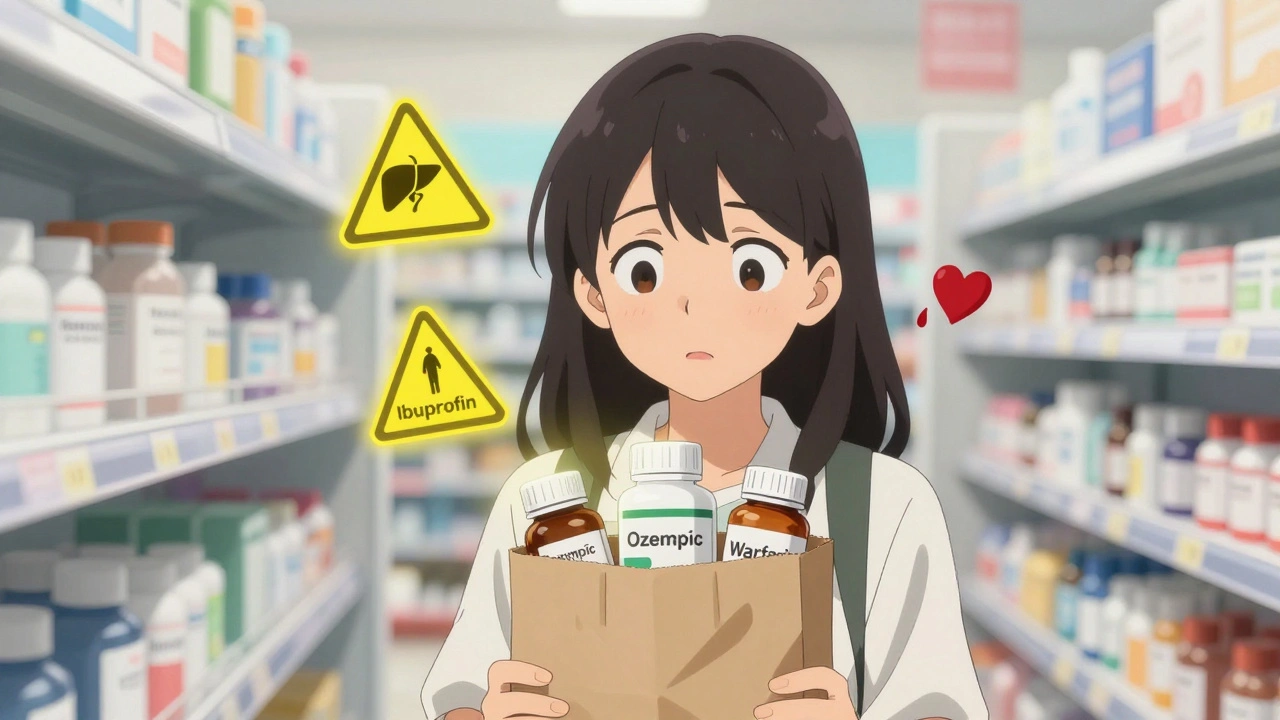
- People on multiple medications - The more drugs you take, the higher the chance of dangerous interactions. Look-alike drugs like insulin and heparin are often confused, leading to fatal mistakes. Even common OTC meds like ibuprofen or antacids can clash with prescriptions.
- People with kidney or liver disease - If your organs aren’t working well, drugs build up in your system. A normal dose for someone healthy can be toxic for you.
- Those with genetic sensitivities - New genetic testing can now predict who’s likely to have bad reactions to certain drugs. For example, people with a specific gene variant can have life-threatening reactions to carbamazepine (an epilepsy drug). Testing before prescribing can cut severe reactions by nearly half.
What to Do When You Suspect a Dangerous Reaction
Don’t guess. Don’t wait. Don’t try to tough it out.- If you have trouble breathing, swelling, chest pain, or lose consciousness - call 911 immediately. Epinephrine saves lives in anaphylaxis. Paramedics carry it. Hospitals have the tools to stabilize you.
- If you have unusual bleeding, jaundice, seizures, or severe abdominal pain - go to the ER. Don’t wait for your doctor’s office to open. These aren’t “call tomorrow” issues.
- If symptoms are milder but new - like a rash, nausea, or dizziness - contact your doctor within 24 hours. Bring a list of all your meds, including supplements and OTC drugs. Use the “Brown Bag Method”: dump everything in a bag and take it to your appointment.
- Never stop a prescribed medication suddenly. Stopping beta-blockers, antidepressants, or seizure meds cold turkey can cause heart attacks, seizures, or extreme withdrawal. Talk to your provider first.
How to Protect Yourself Before You Even Start a New Drug
Prevention beats emergency care every time.- Ask your doctor: “What are the top three dangerous side effects I should watch for with this drug?” Don’t settle for “it’s usually fine.” Ask for specifics.
- Get a medication review every 3-6 months. Especially if you’re on five or more drugs. Pharmacists can spot dangerous combinations you might miss.
- Check if genetic testing is available. If you’re being prescribed a drug like clopidogrel, carbamazepine, or codeine, ask if your doctor can test your genes first. It’s becoming standard in major hospitals.
- Know your family history. If a relative had a bad reaction to a certain drug, tell your doctor. Genetic risks can run in families.
- Use one pharmacy for all your prescriptions. That way, the pharmacist can track interactions across all your meds - not just the new one.
The Future Is Getting Smarter
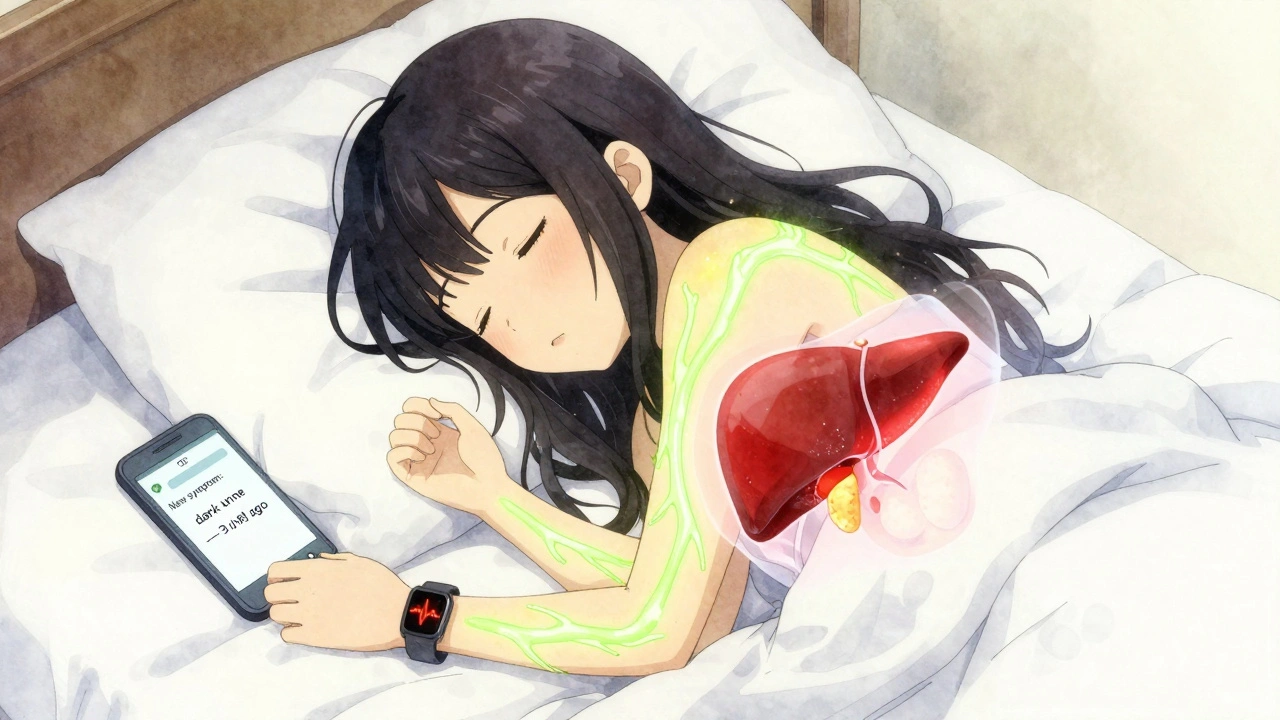
Technology is catching up. Hospitals now use AI tools that analyze your age, weight, kidney function, and current meds to predict your risk of a bad reaction - with 89% accuracy. The FDA is pushing for “smart packaging” on high-risk drugs that track when you take them and alert your doctor if you miss doses or show signs of overdose. Wearables like Apple Watches can now detect irregular heartbeats caused by certain medications. But none of that replaces your awareness. No app can feel your chest tighten. No algorithm can see your skin turn yellow. You are the first line of defense.Final Thought: Trust Your Gut
If something feels wrong after starting a new medication - even if it’s not on the list - it might be. Side effects don’t always follow the textbook. They’re personal. They’re unpredictable. But they’re not invisible. Your body is sending you signals. Listen. Act. Don’t wait for someone else to tell you it’s serious.Can you have a dangerous reaction to a medication you’ve taken before without problems?
Yes. Your body’s response to a drug can change over time due to aging, other medications, or changes in your liver or kidney function. Even if you took a drug safely for years, a new reaction can appear suddenly. This is why ongoing monitoring matters - not just when you start a drug, but throughout its use.
How long after taking a medication can a dangerous side effect appear?
It varies. Life-threatening reactions like anaphylaxis usually happen within minutes to an hour. But some reactions, like DRESS syndrome or liver damage, can take days or even weeks to show up. That’s why it’s important to stay alert for new symptoms long after you’ve started a new medication - not just in the first few days.
Are over-the-counter drugs safe from dangerous side effects?
No. Many people assume OTC meds are harmless, but drugs like ibuprofen, naproxen, and even high-dose acetaminophen can cause liver failure, stomach bleeding, or kidney damage - especially when taken long-term or mixed with alcohol or other prescriptions. Always read labels and talk to your pharmacist about potential risks.
Should I stop the medication if I think I’m having a side effect?
Only if it’s a life-threatening emergency - then call 911. For all other symptoms, don’t stop the drug on your own. Abruptly stopping certain medications can be just as dangerous as the side effect itself. Call your doctor first. They can guide you on whether to pause, reduce, or switch the drug safely.
What should I bring to my doctor if I suspect a medication reaction?
Bring a complete list of everything you’re taking: prescription drugs, over-the-counter meds, vitamins, supplements, and herbal remedies. Also note when you started each one and when symptoms began. If possible, bring the actual bottles. Many reactions happen because of hidden interactions - and your doctor can’t see them if you don’t share the full picture.
Can wearable devices help detect dangerous medication side effects?
Yes - increasingly so. Devices like Apple Watch and Fitbit can now detect irregular heart rhythms, which may signal a reaction to certain medications. Some newer wearables are being tested to track changes in skin tone or swelling that could indicate liver or kidney issues. These tools don’t replace medical advice, but they can give you early alerts to seek help sooner.