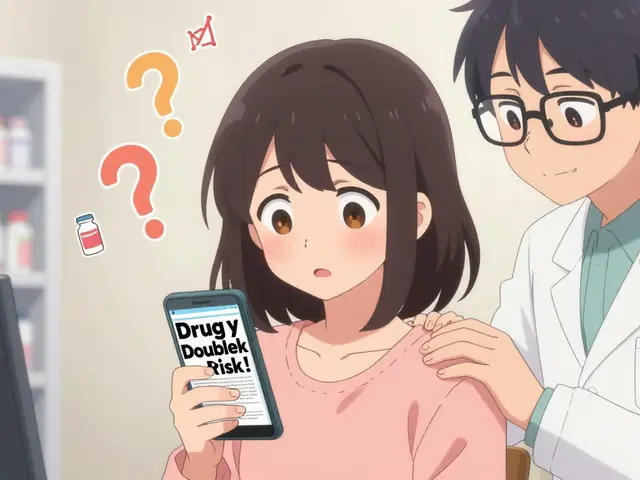
Taking medication shouldn’t feel like a gamble. You follow the prescription, read the label, and still wonder: Is this normal, or is something dangerous happening? Many people stop taking their meds because they feel off - and that’s often the wrong move. Others ignore scary symptoms, thinking they’ll pass. Neither approach is safe. The real key is knowing which side effects are just annoying - and which are red flags that demand a call to your doctor right now.
What Counts as a Red Flag?
Not all side effects are equal. Some are common, mild, and temporary. Others can kill you in minutes. The difference isn’t always obvious, which is why you need clear, simple rules.Here’s what you should never ignore:
- Difficulty breathing - Even if it’s just a little tightness or wheezing. This is the #1 sign of anaphylaxis, a life-threatening allergic reaction.
- Hives or swelling - Raised, itchy red welts on your skin? Swelling in your lips, tongue, or throat? These appear within minutes to hours after taking a drug. If you’ve had them before with another medication, treat this like an emergency.
- Fainting or feeling like you’re about to pass out - Dizziness happens. Passing out doesn’t. This could mean your blood pressure dropped dangerously low.
- Blistering skin or peeling skin - Especially around your mouth, eyes, or genitals. This could be Stevens-Johnson Syndrome (SJS) or toxic epidermal necrolysis (TEN). These rare but deadly reactions destroy the top layer of your skin. About 100-200 cases are reported each year in the U.S., and half of those who get them end up in intensive care.
- Severe nosebleeds or bleeding that won’t stop - If you’re on blood thinners like warfarin or apixaban, minor bruising is normal. But bleeding that soaks through bandages, lasts more than 15 minutes, or happens without injury? That’s a warning.
- Confusion, slurred speech, or weakness on one side of your body - These aren’t just "getting older." They could signal a stroke caused by a drug interaction or reaction.
According to the FDA, a serious side effect is one that leads to death, hospitalization, disability, or permanent damage. If any symptom fits that, you don’t wait. Call your doctor - or 911 - immediately.
What’s Usually Just an Annoyance?
You might feel off after starting a new pill. That doesn’t mean you’re in danger. Many common side effects are temporary and don’t require stopping your medication.- Nausea - Happens in 20-30% of people on antibiotics like amoxicillin. Usually fades after a few days. Try taking the pill with food.
- Constipation - Common with opioids or iron supplements. Not fun, but rarely dangerous. Increase fiber and water first.
- Diarrhea - Affects about 25% of people on antibiotics. It’s often caused by gut bacteria disruption. Unless it’s bloody or lasts more than 72 hours, keep taking the med and call your doctor if it gets worse.
- Dry mouth - Happens with antihistamines, antidepressants, and blood pressure pills. Suck on sugar-free gum or sip water.
- Drowsiness - Especially with older antihistamines or sleep aids. Avoid driving until you know how your body reacts.
- Mild rash - A few red spots or itching? It’s common with antibiotics. But if it spreads fast, turns into blisters, or covers more than 10% of your skin - that’s a red flag.
- Headache - Reported by 15-20% of people on many medications. If it’s mild and goes away with ibuprofen, it’s probably fine.
The National Institutes of Health says: Don’t stop your medication unless you have a clear sign of a severe reaction. Quitting cold turkey can make your original condition worse - and in some cases, more dangerous than the side effect. For example, stopping blood pressure meds can trigger a heart attack. Stopping antidepressants can cause severe withdrawal. That’s why 40% of treatment failures for chronic illnesses happen because people quit on their own.

When to Call Your Doctor (Even If It’s Not an Emergency)
You don’t need to wait for a crisis. If something’s bothering you, call. Here’s when:- It lasts more than 48 hours - If nausea, dizziness, or fatigue doesn’t improve after two days, your body might not be adjusting. Your doctor might lower the dose or switch you.
- It interferes with daily life - Can’t sleep? Can’t work? Can’t take care of your kids? If it’s affecting more than 30% of your day, it’s time to talk.
- It gets worse over time - A little dizziness on day one? Fine. Dizziness so bad you’re falling on day five? That’s a problem.
- You’re over 65 - Older adults are 200% more likely to fall because of dizziness from medications. Even mild symptoms need attention.
- You’re taking three or more medications - The more drugs you take, the higher the chance of harmful interactions. Your doctor should review your list every six months.
Keep a simple side effect diary. Write down:
- What symptom you felt
- When it started (after which dose?)
- How long it lasted
- How bad it was (1-10 scale)
A 2022 Lancet study found that patients who kept this kind of log improved diagnostic accuracy by 65%. That means your doctor gets it right faster - and you avoid unnecessary tests or changes.
What Not to Do
There are two dangerous habits people fall into:1. Stopping your meds because you feel weird. - You might think you’re being safe. But if you’re on meds for diabetes, heart disease, epilepsy, or depression, stopping suddenly can be deadly. One study found that 50% of treatment failures for chronic conditions come from patients quitting without talking to their doctor.
2. Waiting too long to call. - "I’ll wait until my next appointment." That’s how small problems become emergencies. If you’re unsure, call your doctor’s office. They have nurses who handle these calls every day. You’re not bothering them. You’re helping them help you.
How to Report Side Effects - And Why It Matters
The FDA’s MedWatch system collects reports from patients like you. In 2023 alone, over 1.3 million adverse event reports were filed. About 15-20% came from patients - not doctors.Why does this matter? Because clinical trials only test drugs on thousands of people. Real-world use involves millions. Rare reactions - like SJS or liver failure - often show up only after a drug is widely used. Your report can lead to:
- Stronger warning labels
- Changes in dosing guidelines
- Drug recalls
In 2022, the FDA’s real-time monitoring system (Sentinel Initiative) spotted a heart failure risk with a diabetes drug within six months - instead of the usual three to five years. That saved lives.
You can report side effects at MedWatch.FDA.gov or call 1-800-332-1088. You don’t need to be certain it was the drug. Just describe what happened. Your report helps protect others.
What to Do Right Now
Here’s your simple action plan:- Know your meds. - Keep a list of everything you take, including vitamins and OTC drugs. Update it every time your doctor changes something.
- Read the guide. - Pharmacies are required to give you a medication guide for high-risk drugs. Read it. Highlight the red flags.
- Set a reminder. - If you’re on a new drug, check in with yourself after 48 hours. Are you feeling better, worse, or just different?
- Call before you quit. - If something feels off, call your doctor. Don’t guess. Don’t wait. Don’t stop.
Medication safety isn’t about fear. It’s about awareness. Most side effects are harmless. But when they’re not, speed saves lives. You don’t need to be a doctor to recognize danger. You just need to listen to your body - and act fast when it screams.