Pharmacists don’t just fill prescriptions-they make critical decisions every day that affect patient safety, especially when it comes to generics. With over 90% of prescriptions in the U.S. filled with generic drugs, the stakes couldn’t be higher. But here’s the problem: the rules around generics change faster than most pharmacists can keep up. One month, a new biosimilar gets approved. The next, a state updates its substitution law. If you’re not actively learning, you’re at risk of making a costly mistake.
Why Generics Knowledge Isn’t Optional
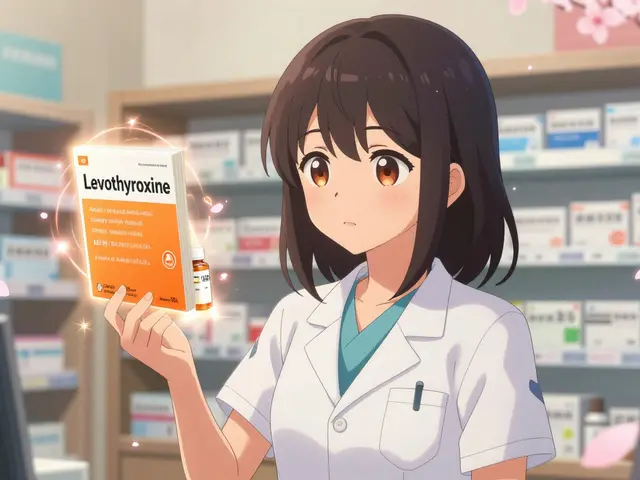
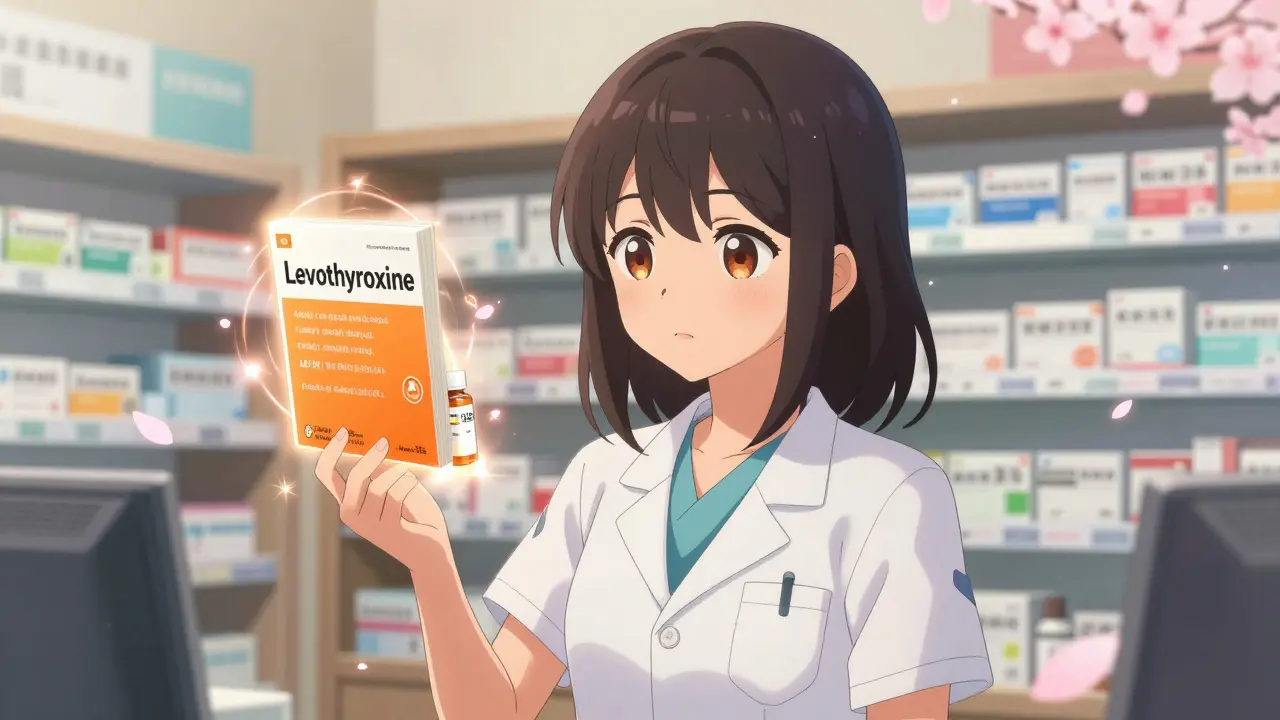
The FDA requires generic drugs to match brand-name drugs in identity, strength, purity, and quality. Sounds simple, right? Not quite. The real challenge lies in therapeutic equivalence. The FDA’s Orange Book lists over 1,200 therapeutic equivalence ratings, and they’re updated monthly. A drug rated AB means it’s interchangeable. A drug rated BX? That’s a red flag-substitution isn’t recommended without prescriber approval. Miss that detail, and you could accidentally switch a patient from a stable levothyroxine brand to a generic with slightly different absorption rates. That’s not just a paperwork error-it’s a potential thyroid crisis.
And it’s not just about the Orange Book. The legal landscape is a maze. The CREATES Act was meant to stop brand manufacturers from blocking generic access by withholding drug samples. But now pharmacists have to understand how that impacts supply chains and substitution availability. Some states require prescriber consent before substituting even AB-rated drugs if they’re narrow therapeutic index (NTI) medications-like warfarin or phenytoin. One wrong move, and you’re not just violating state law-you’re putting a patient at risk.
What Continuing Education Actually Covers
Not all continuing education (CPE) is created equal. The Accreditation Council for Pharmacy Education (ACPE) requires all CPE to be accredited, and it breaks courses into categories. For generics, you need Category 2: Pharmacy Law and Regulations. That includes DEA requirements for controlled substance transfers, how to verify a prescriber’s DEA number, and state-specific substitution laws. But here’s the catch: 18 states now require training on opioid alternatives (many of which are generics), 12 require biosimilar education, and 7 have special rules for NTI drugs. If you’re licensed in multiple states, you’re juggling different requirements-some states demand proof of completion with renewal, others only audit if you’re flagged.
ACPE classifies CPE into three types: knowledge-based (lectures), application-based (case studies), and certificate programs. The data doesn’t lie-pharmacists who take application-based courses make 37% fewer substitution errors. Why? Because they’re not memorizing facts. They’re practicing. One module might walk you through a case where a patient’s blood pressure spiked after switching from one generic amlodipine to another. Was it bioequivalence? Packaging? Or a pharmacy error in labeling? The best courses don’t just tell you the answer-they make you think like a pharmacist.
Real Stories, Real Consequences
A pharmacist in Illinois recently shared how a single ACPE-accredited module saved a patient’s life. She’d taken a course on therapeutic equivalence that highlighted the differences between levothyroxine products. Weeks later, a new prescription came in for a generic version she hadn’t seen before. The pharmacy’s system flagged it as AB-rated, but the course had taught her to check the manufacturer. The new product was made by a company with a history of inconsistent bioavailability. She called the prescriber. They switched back. No harm done. That’s the kind of knowledge that doesn’t show up on a quiz-it shows up in patient outcomes.
But not everyone has that luck. A 2023 survey found that 63% of pharmacists felt their CE courses were too generic-literally. One Texas pharmacist said, “I took five hours of CE last year. Two hours were on hand hygiene. One was on opioid prescribing. Two were on generics. But none of it covered Texas’s rule that you can’t substitute NTI generics without prescriber consent-even if the Orange Book says AB.” That’s not education. That’s noise.
How Much Time Should You Really Spend?
The average pharmacist spends 27.5 hours a year on required CE. Only 5.2 of those hours are focused on generics and therapeutics. That’s not enough. Experts suggest pharmacists with over 10 years of experience need 8-10 hours of targeted generics education annually. Why? Because the field moves fast. Between January 2022 and June 2023, the FDA approved 983 new generic drugs-a 17% jump from the year before. New biosimilars are entering the market. New state laws are being passed. If you’re relying on what you learned in pharmacy school, you’re already behind.
And it’s not just about quantity. Quality matters. Courses with case studies get 4.7 out of 5 stars. Lectures? Barely 3.2. The difference? Application. You don’t learn to drive by reading a manual. You learn by getting behind the wheel. The same goes for generics. If your CE doesn’t make you solve real-world problems, it’s not helping you practice.
What’s Changing in 2025
ACPE just announced new standards effective January 1, 2025. All generics-related CE must now include specific content on biosimilar interchangeability and FDA’s Risk Evaluation and Mitigation Strategies (REMS). That means if you’re taking a course on generics this year, make sure it’s updated. If it doesn’t mention REMS or interchangeability, it’s already outdated. Meanwhile, the National Association of Boards of Pharmacy is pushing for 80% alignment across state requirements by 2025. That’s a big deal. Right now, a pharmacist in New York has to submit certificates with renewal. In Illinois, they only need to keep records for two years. That inconsistency creates confusion-and risk.
And it’s not just regulators. Pharmacies are stepping up. Sixty-eight percent of hospital pharmacy departments now require more generics training than the state minimum. CVS Health piloted just-in-time learning tools that popped up on the pharmacy screen when a generic substitution was selected. The result? A 28% drop in errors. That’s not futuristic-it’s happening now.
How to Choose the Right CE
Here’s how to cut through the noise:
- Look for ACPE accreditation-not just state approval. ACPE sets the national standard.
- Choose application-based courses-case studies, simulations, and problem-solving scenarios beat lectures every time.
- Check the date-if the course doesn’t mention biosimilars, REMS, or the CREATES Act, skip it.
- Verify state requirements-don’t assume your CE covers everything. Texas, California, and New York each have unique rules.
- Track your hours-keep copies of certificates. Even if your state doesn’t require submission, you’ll need them if audited.
Platforms like Pharmacist’s Letter and PocketPrep offer free, high-quality modules that are updated quarterly. PocketPrep alone has over 45,000 users in 2023, with 32% year-over-year growth in generics content. That’s not an accident. Pharmacists are voting with their time.
What’s Next?
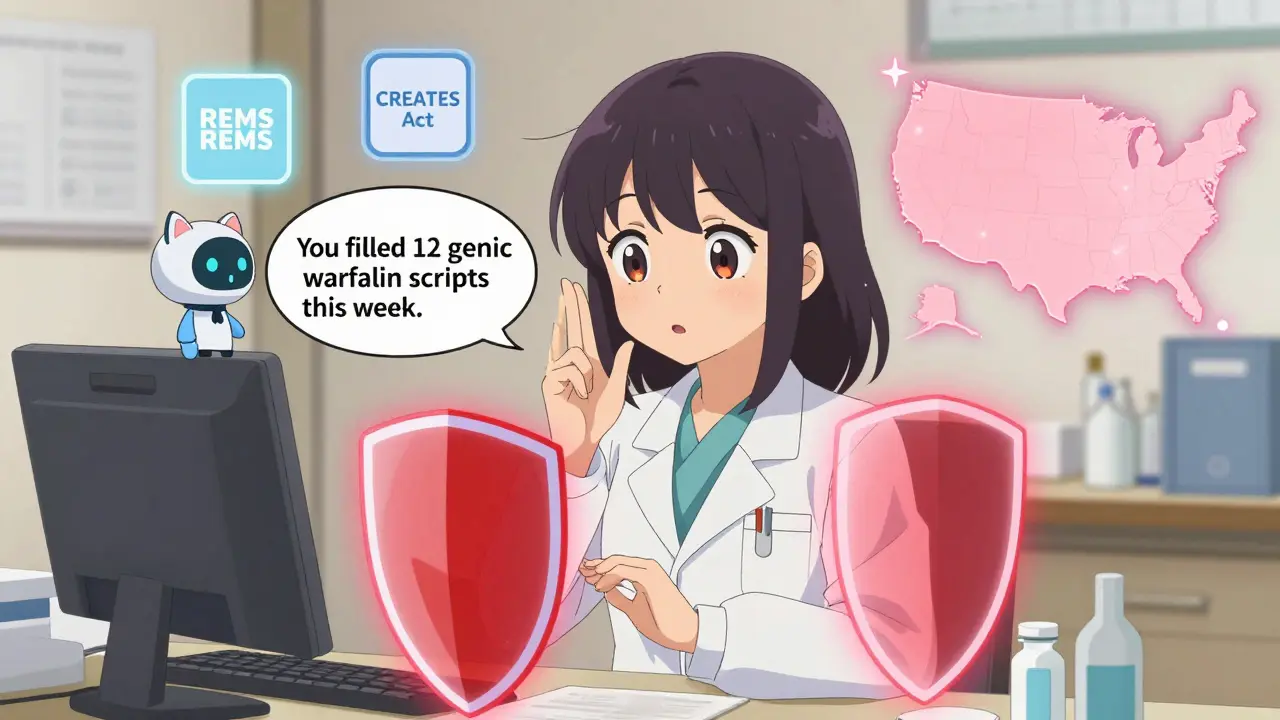
The future of pharmacist education isn’t in big seminars or PDF handouts. It’s in smart, personalized tools. AI platforms are starting to identify individual knowledge gaps. Imagine logging in and getting a 10-minute module that says, “You recently filled 12 prescriptions for generic warfarin. You scored below average on NTI substitution questions. Here’s what you need to know.” That’s not science fiction-it’s coming by 2027.
For now, the best thing you can do is treat your CE like a prescription: take it seriously, don’t skip doses, and never assume you’re done. Generics aren’t just cheaper versions of brand drugs. They’re complex, regulated, and sometimes dangerous if handled wrong. Your continuing education isn’t a checkbox. It’s your shield.
Do all states require the same continuing education hours for pharmacists?
No. While all 50 states require continuing education for pharmacist license renewal, the number of hours and required topics vary. Most states require between 15 and 30 hours every two years. Some states, like Illinois, require 30 hours per cycle. Others, like California, mandate specific topics such as implicit bias or cultural competency. Pharmacists licensed in multiple states must meet each state’s individual requirements, which can create significant administrative burden.
What is the FDA Orange Book and why does it matter for pharmacists?
The FDA Orange Book is a public database that lists approved drug products with therapeutic equivalence evaluations. It assigns ratings like AB, BX, or AP to generic drugs, indicating whether they are interchangeable with brand-name drugs. Pharmacists rely on this to determine if they can legally substitute a generic. An AB rating means substitution is allowed. A BX rating means substitution is not recommended due to potential clinical differences. Missing a BX rating can lead to therapeutic failure or adverse events, especially with narrow therapeutic index drugs.
What’s the difference between a generic drug and a biosimilar?
Generics are chemically identical copies of small-molecule brand drugs, approved through the Abbreviated New Drug Application (ANDA) process. Biosimilars, on the other hand, are highly similar versions of complex biologic drugs (like insulin or monoclonal antibodies). They’re not exact copies due to their biological origin, so they require additional testing for safety and efficacy. Interchangeability-a key distinction-is granted only if the biosimilar can be substituted without the prescriber’s involvement. Only a handful of biosimilars have received interchangeability status from the FDA, and pharmacists need specialized training to understand when substitution is allowed.
Are there specific continuing education requirements for narrow therapeutic index (NTI) drugs?
Yes. Several states-including Texas, New York, and California-have laws that require prescriber consent before substituting NTI generics. These include drugs like warfarin, levothyroxine, phenytoin, and digoxin. Even if the FDA rates them as AB-equivalent, state law may restrict substitution. Pharmacists must be trained on their state’s specific rules, as well as the clinical risks of switching these drugs. Errors here can lead to serious outcomes, such as stroke, seizure, or thyroid crisis.
How can pharmacists track their continuing education credits?
Pharmacists should maintain their own records of completed CE, including certificates, dates, and provider names. Some states require submission of proof during renewal, while others only request records if audited. Many pharmacists use digital tracking tools offered by CE providers like CE21 or PocketPrep, which automatically log hours and send reminders. It’s also wise to keep physical or digital copies for at least two years, even if your state doesn’t require it-this protects you in case of a board inquiry or malpractice claim.