
Ezetimibe and bempedoic acid offer effective, oral alternatives for people who can't tolerate statins. Both lower LDL cholesterol and reduce heart risks, with ezetimibe being affordable and bempedoic acid offering proven cardiovascular benefits.
Combining metformin and alcohol can trigger lactic acidosis-a rare but deadly condition. Learn the real risks, symptoms to watch for, and what experts actually recommend for people with type 2 diabetes who drink.
Generic drugs are just as safe and effective as brand-name drugs for most people, backed by decades of clinical evidence. Learn when they're the best choice-and when to stick with the brand.
Statin intolerance causes muscle pain in many people, but most cases aren't actually caused by the drug. Learn how to tell if your pain is real, what alternatives work, and how to safely lower cholesterol without statins.
Patient support groups help people overcome fears about generic medications by sharing real experiences. Learn how these communities improve adherence, reduce costs, and build trust through peer stories backed by science.

Learn how the FDA ensures generic drugs are safe, effective, and affordable. Understand the approval process, why generics cost less, and what you need to know as a patient.
Not all brand-name drugs have generic versions-even after patents expire. Complex formulations, patent thickets, pay-for-delay deals, and FDA hurdles keep prices high. Here’s why some drugs stay expensive forever.

Elderly patients often switch to generic medications to save money, but age-related changes in the body and low health literacy can affect safety and adherence. Learn which drugs need caution, how to monitor for side effects, and what questions to ask your doctor.
Create a simple medication expiration review schedule to avoid using ineffective or dangerous drugs. Learn how to check, sort, store, and dispose of pills safely with expert-backed steps and real-world tips.

Learn how to safely manage diuretics in heart failure patients to prevent dangerous low potassium levels. Practical tips on monitoring, supplements, medications, and lifestyle changes to reduce arrhythmia risk.
Medication overuse headache is a hidden cycle where painkillers cause more headaches. Learn how to identify it, safely stop overused drugs, and use proven prevention methods to get relief.

Hi there, gentlemen! In today's blog post, we're going to tackle some of the most common myths and misconceptions surrounding high uric acid levels and gout. I bet you've heard many of them before, but rest assured, our aim is to debunk these myths and arm you with the facts. Let's navigate this journey together, separating fact from fiction when it comes to your health.
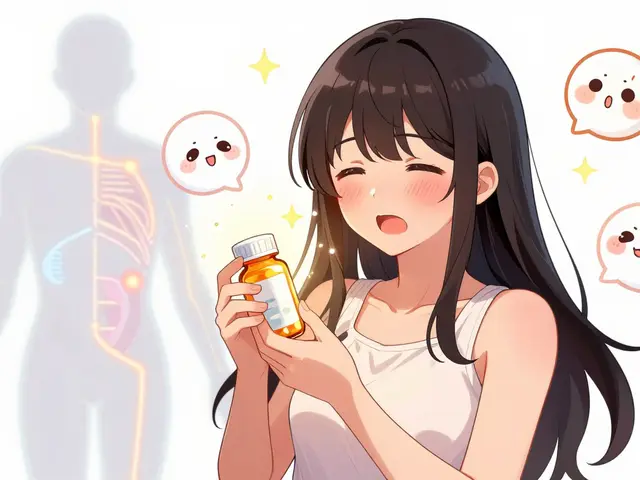
Medications cause side effects because they interact with more than just their intended target. From genetic differences to off-target effects and drug interactions, science explains why reactions happen-and how we’re learning to prevent them.

As a blogger, I recently discovered some interesting information about the relationship between Atorvastatin and skin health. It turns out that Atorvastatin, a medication commonly used to lower cholesterol, may have some positive effects on our skin. Studies have shown that it can help reduce inflammation and improve skin conditions like psoriasis. However, it's important to note that Atorvastatin is not specifically designed for skin treatment and should only be used under the guidance of a healthcare professional. So, if you're struggling with skin issues, it might be worth discussing this medication with your doctor.

Discover why quality sleep and purposeful rest are vital for cell lymphoma patients, with practical tips, fatigue management, and when to seek help.