Switching from a brand-name drug to a generic can feel like rolling the dice. You’ve been taking the same pill for years. The box looks different. The color changed. The name on the label is unfamiliar. Suddenly, you wonder: Is this really the same thing? You’re not alone. Millions of people feel this way-especially when their health depends on steady, daily medication. That’s where patient support groups come in. Not the kind run by pharmaceutical companies. Not the clinical brochures from your doctor’s office. These are real people, sharing real stories about what happens when they switch to generics.
Why Do People Doubt Generics?
It’s not about being stubborn. It’s about fear. Fear that the medicine won’t work the same. Fear that side effects will show up out of nowhere. Fear that your body, which has adapted to one version, will reject the new one. For someone with epilepsy, heart disease, or diabetes, that fear isn’t irrational-it’s survival. The FDA says generics are bioequivalent. That means they must deliver the same amount of active ingredient into your bloodstream within 80% to 125% of the brand-name version. Sounds technical? It is. But patients don’t care about percentages. They care about how they feel. A 2022 FDA study found that people who started on generics had 15% to 20% higher adherence rates than those who stayed on brand-name drugs. Why? Because generics cost less. But cost isn’t the only barrier. The real hurdle is perception. And that’s where peer stories make all the difference.How Support Groups Work
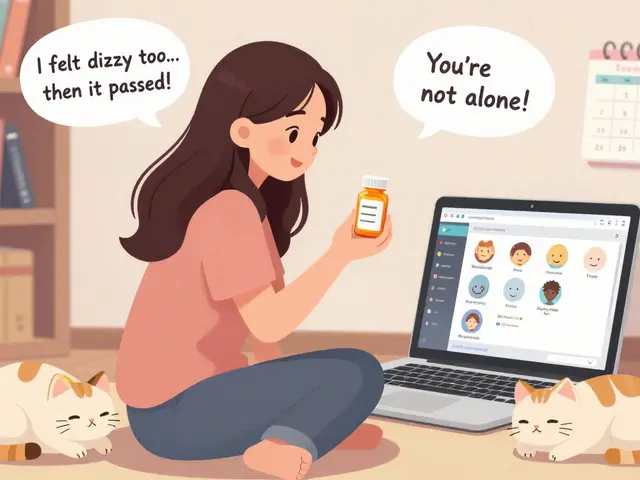
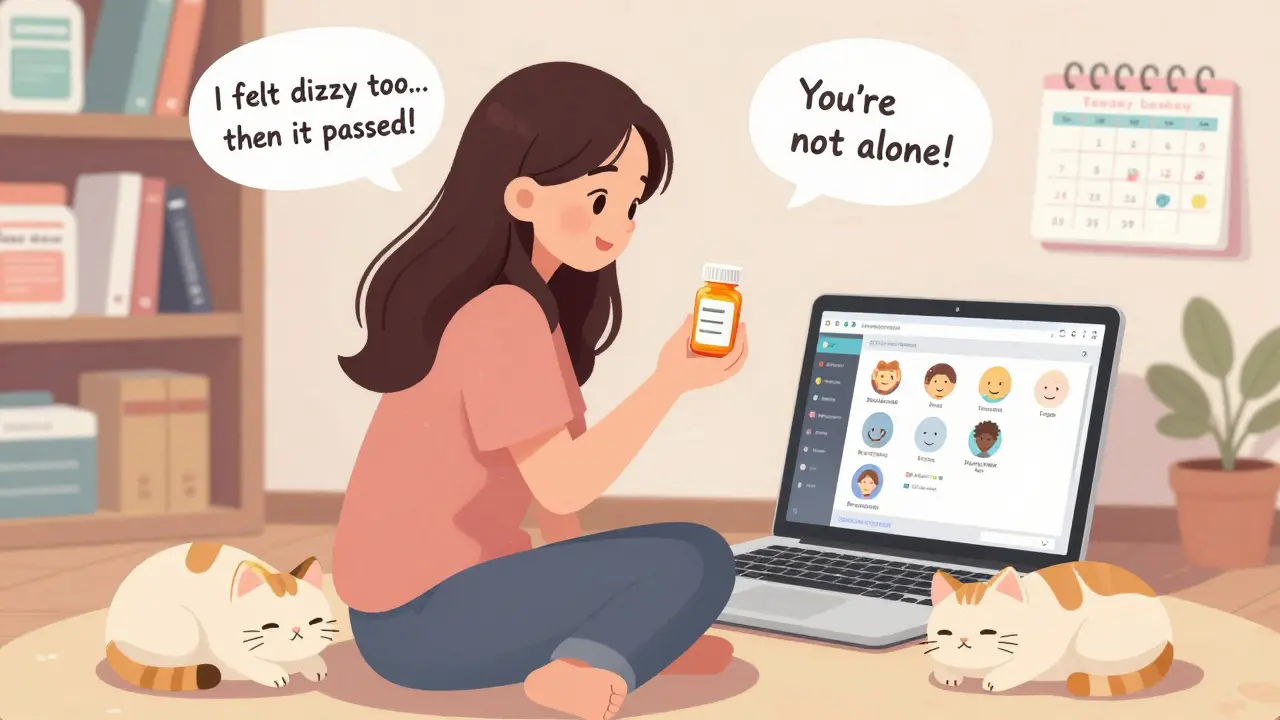
Patient support groups for generics aren’t just forums. They’re structured communities. Some meet online-Facebook groups like "Generic Medication Users United" with over 14,000 members. Others meet in person at community health centers, especially in rural areas where pharmacies are few and travel is hard. Many include pharmacists or nurses who help verify what’s being said. The magic happens when someone says: "I switched to the generic version of my blood pressure pill. First week, I felt dizzy. I thought it was the drug. Then I talked to three others who felt the same. They said it lasted about 10 days. I kept going. Now I feel better than ever." That kind of story does more than reassure. It normalizes. It tells people: "You’re not crazy. This happens. It passes. You’re not alone." A University of Chicago study found that patients who participated in these groups showed 27% higher confidence in generics. Even more telling: for every standard increase in how often someone spoke up or asked questions in the group, generic use went up by 5.3%. Talking wasn’t just comforting-it changed behavior.Real Stories, Real Results
On Reddit’s r/Pharmacy, a user posted in 2022: "Switched to generic statin and felt different-am I crazy?" The thread got 472 replies. Most were scared at first. But 76% of those who stuck with the generic said their symptoms faded within two weeks. One user, u/MedStudent2023, wrote: "I checked the FDA’s bioequivalence rules. The generic had to be within 10% of the brand. My old pill was 40mg. The new one was 40mg too. If it’s the same dose, why would I feel worse?" In Howard’s Pharmacy in Ohio, a diabetes support group helped members switch from expensive insulin analogs to biosimilars. The average monthly savings? $327. One woman told them: "I was skipping doses because I couldn’t afford it. Now I take it every day. My A1C dropped from 9.2 to 6.8." These aren’t outliers. They’re patterns. The same stories repeat across conditions: hypertension, depression, asthma, thyroid disorders. People worry. They try. They adjust. They thrive.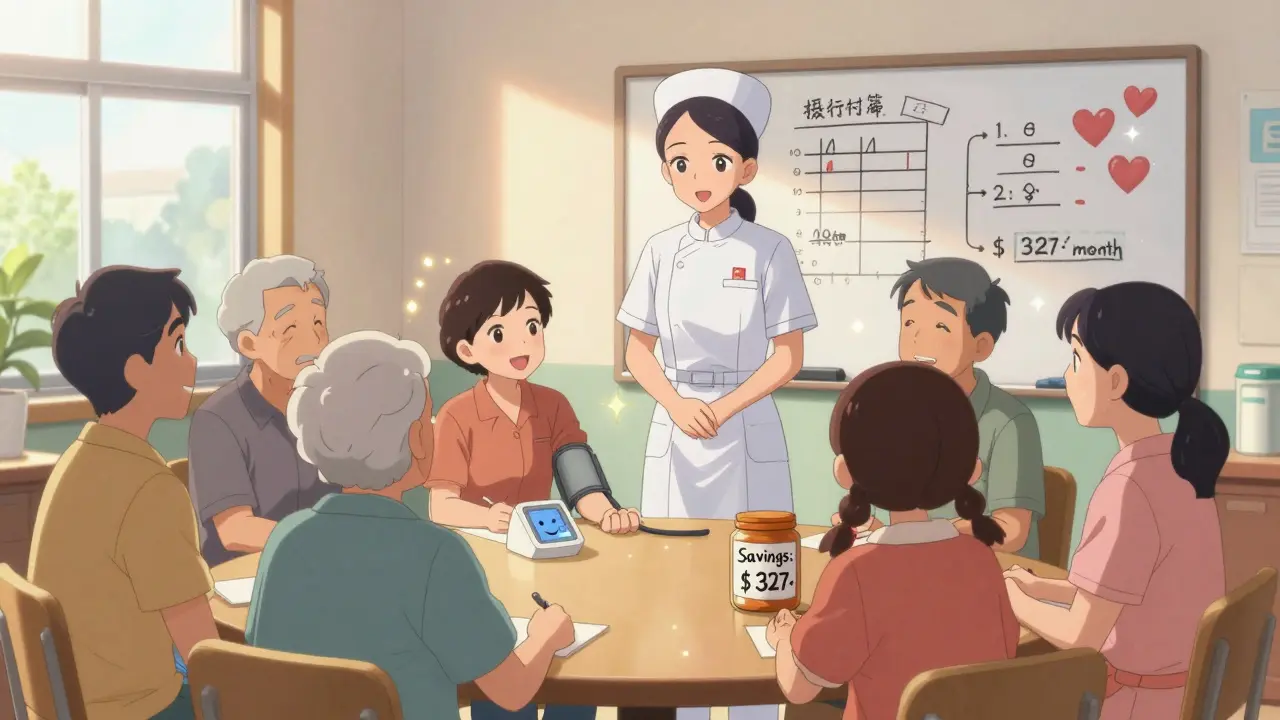
The Dark Side: When Groups Go Wrong
Not all groups are created equal. A 2009 study found that 34% of online discussions about generics contained false claims-things like "generics are made in China and contain chalk" or "the FDA lets bad generics through." In one unmoderated Facebook group in 2019, members blamed a spike in seizures on a generic antiepileptic drug. It wasn’t the drug. It was disease progression. Seventeen people stopped taking their medication. One ended up in the ER. That’s why oversight matters. Groups with pharmacist or nurse moderators cut misinformation down to just 8%. The American College of Physicians recommends that every support group include at least one licensed clinician to verify claims. Some groups now use a "buddy system"-new members are paired with someone who’s been through the switch and can guide them through the first few weeks.Why This Matters for the System
In 2022, 90% of all prescriptions filled in the U.S. were generics. But they only made up 12% of total drug spending. That’s because brand-name drugs cost 10 to 20 times more. If generic use rose from 87% to 95%, Medicaid alone could save $271 million on just 20 key drugs. That’s real money. Real access. Real health. The FDA now calls patient experience data "real-world evidence." That means stories from these groups aren’t just anecdotes-they’re being used to shape policy. In 2023, the FDA launched the Patient Experience Metrics program to formally collect and analyze what patients say about generics. Doctors are listening too. A 2016 pilot program found that when physicians used conversation guides developed by the ACP, they prescribed generics 18% more often. Why? Because patients came in saying: "I joined a group. I talked to others. I’m ready to switch."
How to Find a Good Group
Not every Facebook group or Reddit thread is trustworthy. Here’s how to find one that helps:- Look for groups with a pharmacist or nurse listed as a moderator.
- Check if they link to FDA or CDC sources in their pinned posts.
- Avoid groups that say "never use generics" or "brand names are always better." Those are red flags.
- Search for groups tied to hospitals or pharmacies. Many large health systems now run official support groups.
- If you’re in a rural area, call your local health department. They often host in-person meetings.
What to Say When You Join
You don’t need to be an expert. Just be honest. Try this:- "I just switched to the generic version of my medication. I’m worried I’ll feel different. Has anyone else had this experience?"
- "I had side effects after switching. Is that normal? How long did it last for you?"
- "I’m on a tight budget. How did you manage the switch without stopping?"
The Bigger Picture
Generic medications aren’t just cheaper. They’re essential. They make long-term treatment possible for people who otherwise couldn’t afford it. But science alone doesn’t change behavior. People do. Real people. Sharing real experiences. The gap between what the FDA says and what patients feel is wide. Support groups are the bridge. They turn abstract data into lived truth. They turn fear into confidence. And in doing so, they save lives-not just by cutting costs, but by helping people stay on their meds. If you’re considering switching to a generic, don’t do it alone. Find a group. Ask your pharmacist. Read a few stories. You might be surprised. The pill might look different. But the result? Often, it’s better.Are generic medications really the same as brand-name drugs?
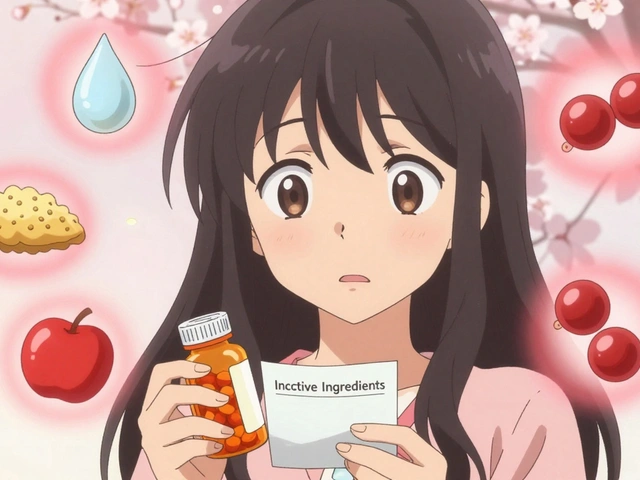
Yes, by FDA standards. Generics must contain the same active ingredient, strength, dosage form, and route of administration as the brand-name version. They must also be bioequivalent-meaning they deliver the same amount of drug into your bloodstream within a narrow range (80% to 125%) of the brand. The FDA requires this for every approved generic. Differences in color, shape, or inactive ingredients (like fillers) don’t affect how well the drug works.
Why do some people feel worse after switching to a generic?
Sometimes, it’s not the drug-it’s the mind. This is called the nocebo effect: expecting side effects leads to feeling them. Many people report dizziness, fatigue, or nausea right after switching, but studies show these symptoms usually fade within 10 to 14 days. Support groups help by showing others have felt the same thing-and recovered. In rare cases, a person might be sensitive to an inactive ingredient in the generic, but that’s uncommon. If symptoms persist, talk to your doctor or pharmacist.
Can I trust patient stories in online groups?
Patient stories are powerful, but they’re not proof. A single person’s experience doesn’t prove a drug is better or worse. But when dozens or hundreds of people share similar experiences-and those stories are verified by pharmacists or backed by clinical data-they become a reliable pattern. Look for groups with professional moderation, links to FDA resources, and discussions that focus on trends, not just one-off complaints.
Do support groups actually help people take their meds more often?
Yes. Studies show patients in structured support groups have 15% to 20% higher adherence rates than those who aren’t. Why? Because they feel less alone. They get answers to questions their doctor didn’t have time to explain. And they see proof that others have made the switch successfully. One project found that for every increase in how often someone participated in a group, their chance of sticking with a generic rose by 5.3%.
Where can I find a reliable patient support group for generics?
Start with your pharmacy. Many chain pharmacies host free monthly support meetings. Check with local hospitals-they often run condition-specific groups. Online, look for Facebook groups with a pharmacist listed as a moderator. The Association for Accessible Medicines plans to launch a verified directory in early 2024. Avoid groups with no moderation, extreme language, or claims that generics are "unsafe" or "fake." If a group feels off, trust your gut.