Every year, medication adherence saves lives. But for millions of Americans, taking pills as prescribed isn’t a matter of discipline-it’s a matter of money. If you’ve ever stared at a pharmacy receipt and wondered how you’re supposed to afford your blood pressure medicine, your insulin, or your heart medication, you’re not alone. The truth is, cost is the number one reason people skip doses, split pills, or don’t fill prescriptions at all. And the consequences aren’t just financial-they’re deadly.
Why Cost Stops People from Taking Their Medicine
It’s not that people don’t understand their conditions. It’s not that they’re careless. It’s that the math doesn’t add up. A 2022 analysis of 71 studies found that 84% showed a direct link between higher out-of-pocket costs and worse medication adherence. When a copay jumps from $10 to $50, adherence drops by 15 to 20%. For someone living paycheck to paycheck, that’s not a small bump-it’s a dealbreaker. The CDC reports that 8.2% of adults under 65 skipped doses or didn’t fill prescriptions in the past year because of cost. Among Medicare beneficiaries, 14.4% reported doing the same in 2016. That’s more than 1 in 7 older adults choosing between medicine and groceries. One woman in her 60s told Kaiser Health News she pays $350 a month for her meds after Medicare Part D-so she picks which pills to take and which to skip. It’s worse for chronic conditions. People with heart disease, diabetes, or high cholesterol are especially vulnerable. Studies show cardiovascular patients are more likely to cut back on meds when prices rise than those with cancer or diabetes. Why? Because these drugs aren’t optional. They’re daily lifelines. Skip your statin for a week, and your risk of heart attack climbs. Delay your insulin, and your blood sugar spirals. And it’s not just the price tag at the counter. High deductibles, coinsurance, and tiered formularies make it worse. You might think your insurance covers your meds-until you get to the pharmacy and see a $400 bill for a 30-day supply. That kind of sticker shock happens to 41% of patients, according to a physician survey. Many don’t even know the cost until it’s too late.The Human Cost of Skipping Doses
This isn’t just about money. It’s about survival. The American Heart Association estimates that medication non-adherence causes around 125,000 deaths in the U.S. every year. That’s more than car accidents. More than flu and pneumonia combined. The economic toll is just as shocking. Poor adherence leads to $100 to $300 billion in avoidable healthcare costs annually-emergency room visits, hospital stays, complications that could have been prevented. The CDC says out-of-pocket spending on retail drugs hit $63 billion in 2021, and it’s still rising. Meanwhile, the U.S. spends more per person on prescription drugs than any other developed country. Reddit threads are full of stories like this: a man paying $800 a month for insulin despite having insurance. A woman splitting her 100mg pills to make them last twice as long. A father choosing between his child’s asthma inhaler and the electric bill. These aren’t rare cases. They’re everyday realities.How to Get Help: Real Solutions That Work
You don’t have to choose between your health and your rent. There are real, working solutions-if you know where to look. Ask your doctor before you get the prescription. Too often, doctors prescribe without checking if the drug is on your insurance’s formulary. The American Medical Association says physicians should always verify this first. Ask: “Is there a cheaper alternative on my plan?” or “Do you have samples I can try?” Thirty-two percent of patients who struggle with cost say they’ve gotten free samples from their provider. That’s a lifeline. Use GoodRx or SingleCare. These free apps compare prices at nearby pharmacies. For many drugs, they cut costs by 50% to 80%. A $400 insulin prescription might drop to $90. Thirty-five million Americans use these tools every month. It takes two minutes to check. Why not do it before you walk into the pharmacy? Apply for patient assistance programs. Pharmaceutical companies run these programs to help low-income patients. In 2022, they helped 1.8 million Americans. Eligibility is usually based on income below 400% of the federal poverty level-that’s $55,520 for one person in 2023. One type 2 diabetes patient went from paying $500 a month for insulin to $25 after enrolling. Her adherence jumped from 60% to 95%. You can find these programs through the Partnership for Prescription Assistance or directly on the drug manufacturer’s website. Ask for a 90-day supply. Many insurance plans charge the same copay for a 30-day or 90-day supply. That means you get three months of meds for the price of one. Mail-order pharmacies often offer this too. You’ll save 20% to 30% per pill. And you won’t have to worry about running out every month. Check if you qualify for Medicare Extra Help. If you’re on Medicare and your income is low, Extra Help can cover up to $5,000 in annual drug costs. It also eliminates the coverage gap (the “donut hole”) and reduces your monthly premiums. Apply through Social Security or Medicare.gov.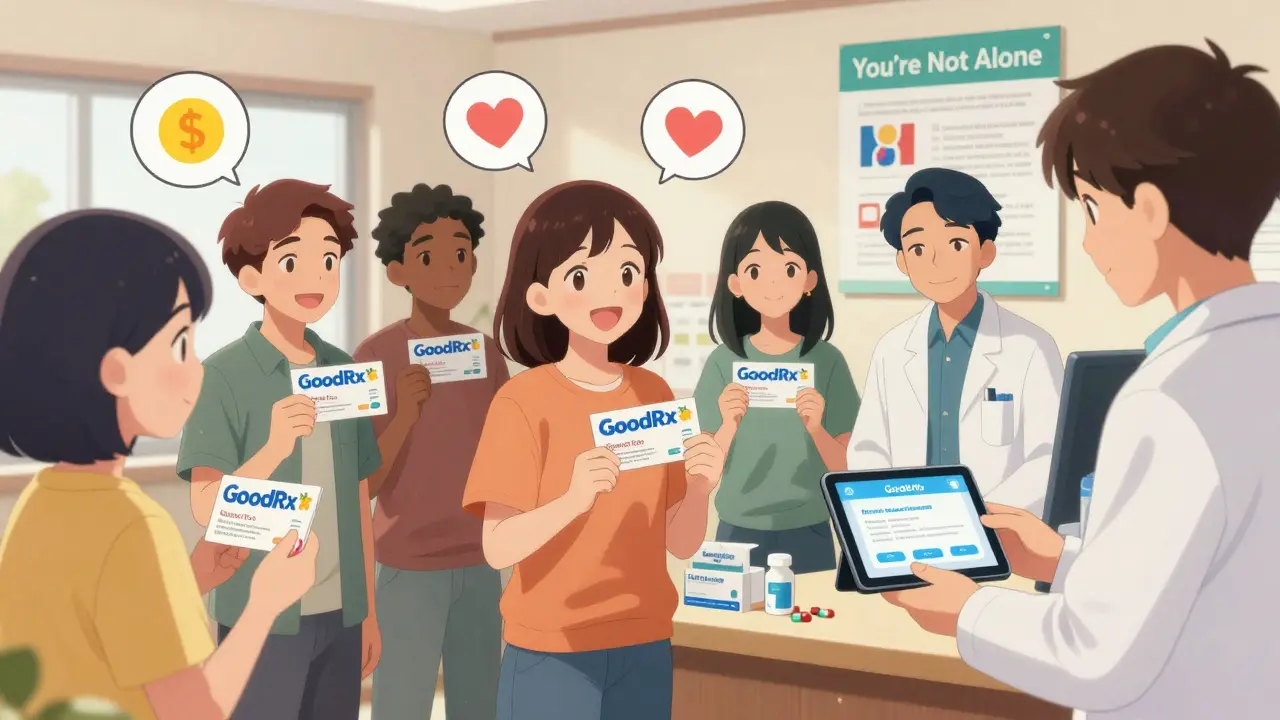
New Laws Are Changing the Game-But Not Fast Enough
The Inflation Reduction Act brought major changes starting in 2023 and 2024. By 2025, Medicare Part D will cap out-of-pocket drug spending at $2,000 per year. That’s huge. No more surprise bills. No more skipping doses because you’ve hit your limit. There’s also a new payment plan called M3P, launching in 2025, that lets you pay for expensive meds in monthly installments instead of one big lump sum. That’s a game-changer for people on fixed incomes. And more generics are hitting the market. In 2022, the FDA approved 1,123 generic drugs-more competition means lower prices. But here’s the catch: these changes don’t fix the problem for people under 65. If you’re working, insured through an employer, and still paying hundreds a month for meds, you’re still on your own.What You Can Do Right Now
Don’t wait for policy changes. Don’t assume your doctor knows your financial stress. Don’t suffer in silence.- Call your pharmacy and ask for the cash price before you fill the script.
- Search your drug name + “patient assistance program” on Google.
- Download GoodRx and compare prices at three pharmacies near you.
- Ask your doctor: “Can we switch to a cheaper medication?”
- If you’re on Medicare, call 1-800-MEDICARE and ask about Extra Help.

When You’re Ready to Talk to Your Doctor
Talking about money with your doctor can feel awkward. But it’s your right-and it’s their job. Here’s how to bring it up without shame:- “I’m having trouble affording my meds. Is there a lower-cost option?”
- “I’ve been skipping doses because I can’t pay. Can we work on a plan?”
- “My copay went up this month. What’s the cheapest version of this drug?”
Final Thought: You’re Not Alone
You’re not failing because you can’t afford your meds. You’re not weak because you had to skip a dose. You’re not broken because the system isn’t working. Millions of people are in the same boat. And help is out there. The goal isn’t to fix the system overnight. The goal is to get you the medicine you need today. One phone call. One app. One application. One conversation with your doctor. That’s how change starts.Why do people skip doses because of cost?
People skip doses because prescription costs often exceed what they can afford, especially when they’re paying high copays, coinsurance, or deductibles. Many face tough choices between buying medicine and paying for food, rent, or utilities. Studies show that when out-of-pocket costs rise above $50 per prescription, adherence drops by 15-20%.
Does insurance cover all my medication costs?
No. Even with insurance, you may still pay high copays, coinsurance, or meet a deductible before coverage kicks in. Some drugs are placed on higher tiers, meaning you pay more. Medicare Part D has a coverage gap (donut hole), though it’s being eliminated by 2024. Many people still pay hundreds per month even with coverage.
Can I get my medications for free?
Yes, through patient assistance programs run by drug manufacturers. These programs offer free or low-cost medications to people with incomes under 400% of the federal poverty level ($55,520 for one person in 2023). You can apply directly through the drugmaker’s website or via the Partnership for Prescription Assistance.
What is GoodRx and how does it help?
GoodRx is a free app and website that compares cash prices for prescription drugs at nearby pharmacies. It often finds prices 50-80% lower than insurance copays. You can print or show a coupon at the pharmacy to get the discounted rate, even if you have insurance. Over 35 million Americans use it monthly.
Is there help for Medicare beneficiaries?
Yes. Medicare’s Extra Help program reduces monthly premiums, copays, and eliminates the coverage gap for low-income beneficiaries. In 2023, it covers up to $5,000 in annual drug costs. You can apply through Social Security or Medicare.gov. Starting in 2025, Medicare will also cap out-of-pocket drug spending at $2,000 per year.
What should I say to my doctor about cost?
Be direct and honest. Say: “I’m having trouble affording my medication. Is there a generic version? Can you prescribe a lower-cost alternative? Do you have samples?” Doctors are more likely to help now than ever-65% say they routinely discuss cost with patients.
Are generic drugs as effective as brand-name drugs?
Yes. The FDA requires generic drugs to have the same active ingredient, strength, dosage form, and effectiveness as brand-name drugs. They’re tested to ensure they work the same way in the body. Generics are often 80-85% cheaper and are a smart way to save without sacrificing quality.
Can I get a 90-day supply of my medication?
Yes, if your doctor prescribes it and your insurance allows it. Many plans charge the same copay for a 90-day supply as they do for a 30-day one. Mail-order pharmacies often offer this option and can save you 20-30% per pill. Ask your doctor and pharmacy about this option-it’s a simple way to cut costs and reduce refill trips.