Taking a medication should make you feel better-not send you to the hospital. But sometimes, even common drugs can trigger a dangerous reaction. Severe adverse drug reactions don’t wait for a doctor’s appointment. They strike fast, and every minute counts.
What Makes a Drug Reaction Severe?
Not all side effects are dangerous. A mild rash, a little nausea, or drowsiness? These are common and usually harmless. But a severe reaction is different. It’s not just uncomfortable-it’s life-threatening. The U.S. Food and Drug Administration defines a serious adverse drug reaction as one that causes death, is life-threatening, requires hospitalization, leads to permanent damage, or causes a disability. That’s not a gray area. If you’re in danger, you need help now.Three types of drugs cause the most serious reactions: anticoagulants (like warfarin), diabetes medications (like insulin), and opioids (like morphine). These aren’t rare drugs-they’re used every day. But when something goes wrong, it goes wrong fast. A bleeding ulcer from a blood thinner. A drop in blood sugar so low you pass out. Breathing that slows to a stop after an opioid dose. These aren’t accidents. They’re emergencies.
Anaphylaxis: The Silent Killer
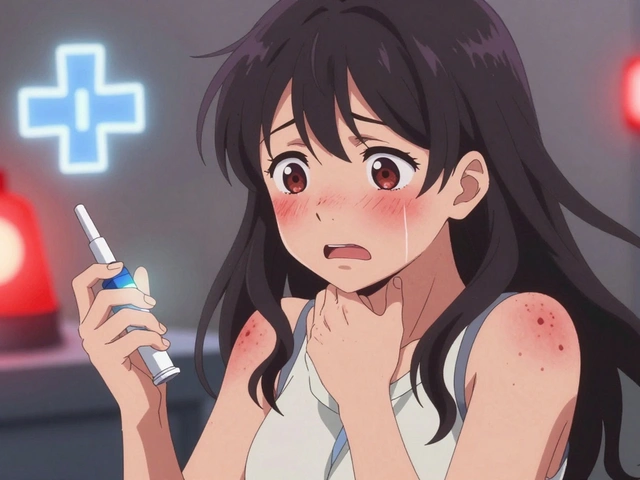
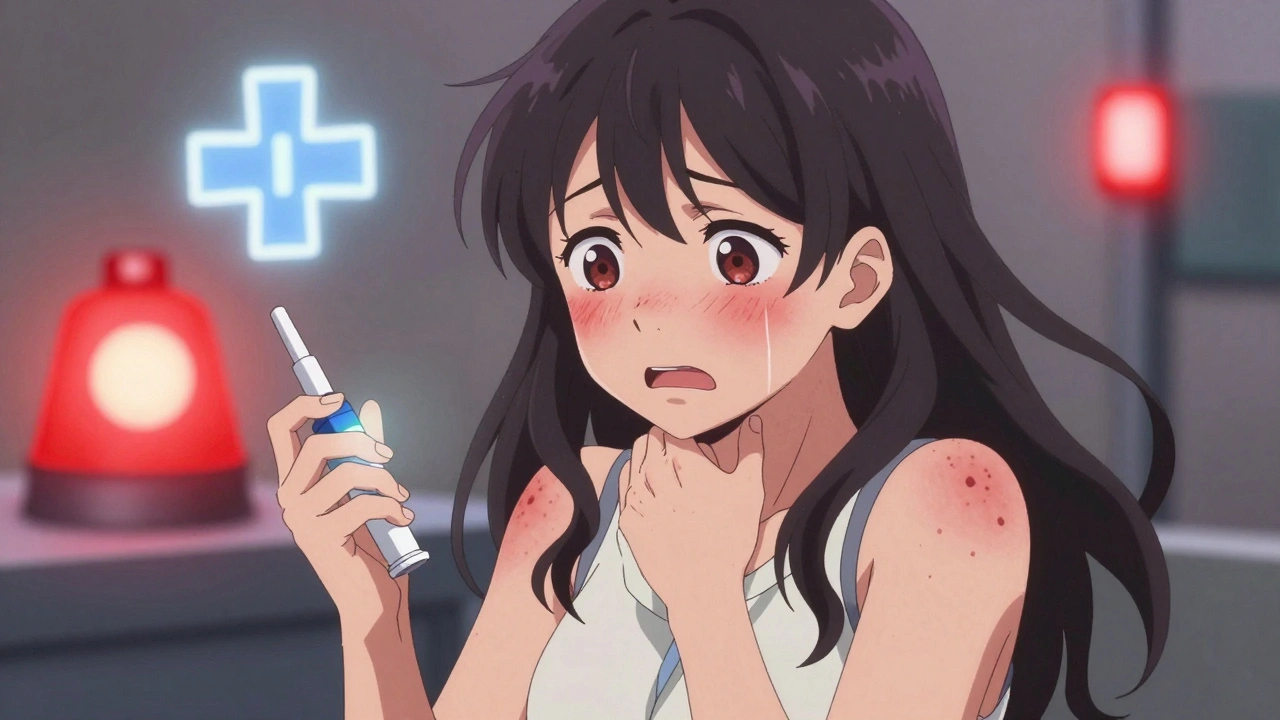
If you’ve ever heard of an allergic reaction turning deadly, you’ve heard of anaphylaxis. It’s the most dangerous Type I drug reaction, triggered by IgE antibodies. It can start within minutes of taking a pill, getting an injection, or even after IV medication. Symptoms? Swelling in your throat, hives all over your body, wheezing, a racing heartbeat, or sudden dizziness. Your blood pressure drops. You feel like you’re drowning-even though you’re not in water.Here’s what you need to know: epinephrine is the only thing that stops this. Not antihistamines. Not steroids. Not waiting to see if it gets better. Epinephrine. It’s injected into the outer thigh, and it works in seconds. The dose is 0.01 mg per kilogram of body weight-up to 0.5 mg for adults. If symptoms don’t improve in 5 minutes, give a second shot. Delaying epinephrine increases your risk of death. Studies show untreated anaphylaxis kills 0.3% to 1% of people who experience it. That’s not a small number. That’s one in every 100 people.
If you’ve had a reaction before, you should carry an epinephrine auto-injector. Know how to use it. Teach your family. Don’t wait for an ambulance. If you’re having trouble breathing or your face is swelling, use it right away. Then call 911. Even if you feel better after the shot, you still need to go to the ER. Anaphylaxis can come back hours later.
Stevens-Johnson Syndrome and Toxic Epidermal Necrolysis: Skin Falling Off
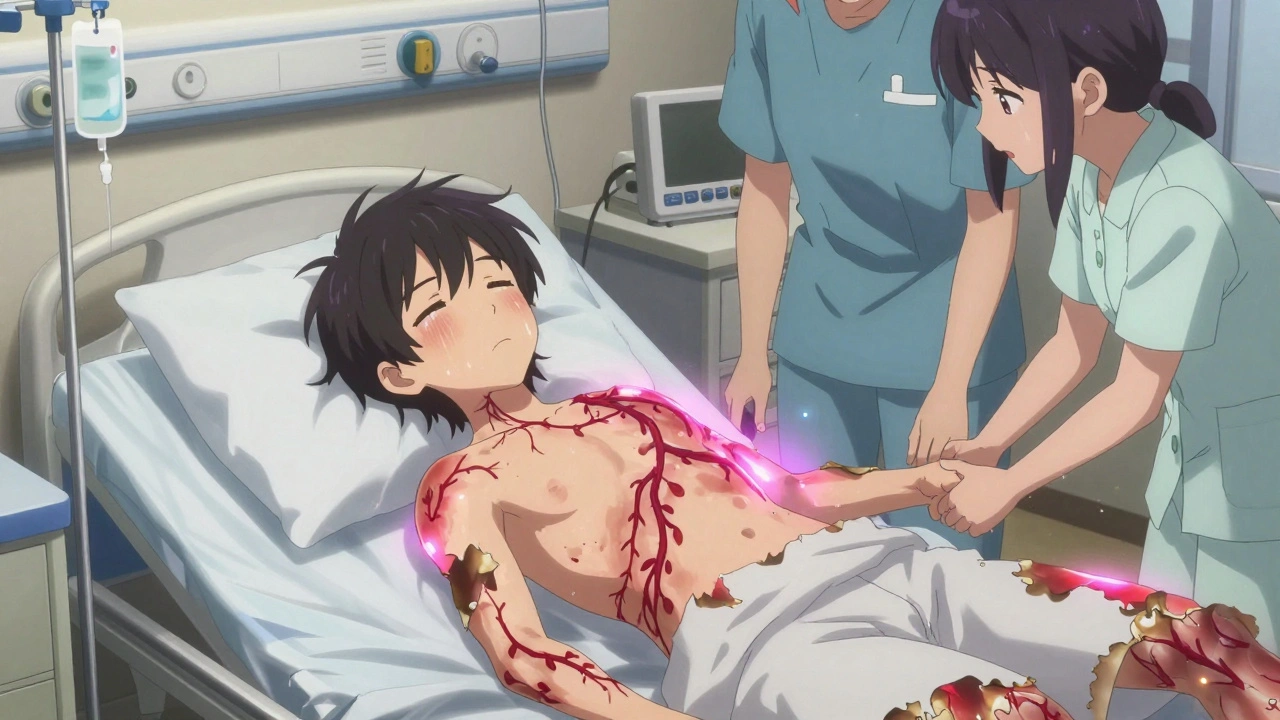
Some reactions don’t hit you in the lungs or heart. They eat away at your skin. Stevens-Johnson Syndrome (SJS) and Toxic Epidermal Necrolysis (TEN) are rare but deadly. They’re caused by T-cell reactions to drugs like antibiotics (especially sulfa drugs), seizure medications (like carbamazepine), and painkillers (like ibuprofen or naproxen). They start with flu-like symptoms-fever, sore throat, burning eyes. Then, within days, your skin begins to blister and peel. In TEN, more than 30% of your skin detaches. It’s like a severe burn, but it’s not from heat. It’s from your own immune system turning on you.The mortality rate for SJS is about 10%. For TEN, it’s 30% to 50%. Age, existing health problems, and how fast you get treatment all matter. These patients don’t need epinephrine. They need a burn unit. They need fluids. They need specialists. If you notice a spreading red or purple rash, blisters in your mouth or eyes, or skin coming off in sheets-go to the ER immediately. Don’t wait for a dermatologist. This is a medical emergency.
DRESS: The Delayed Trap
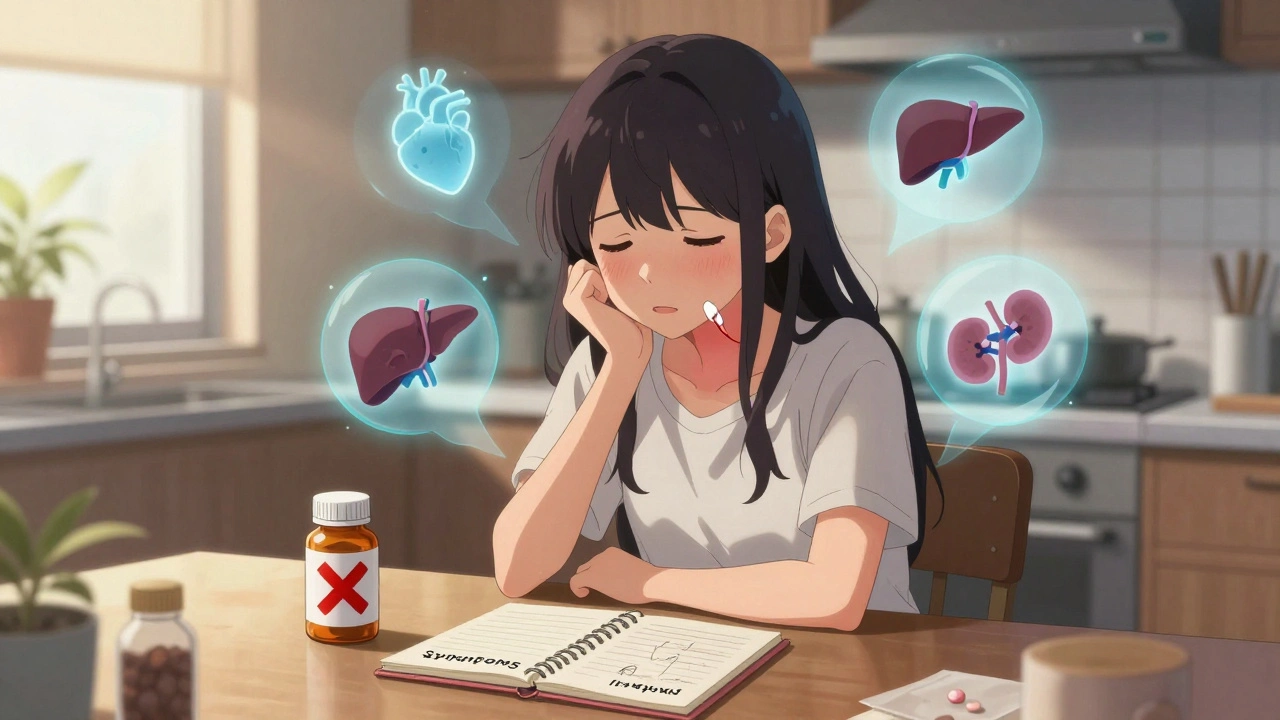
Not all reactions happen fast. DRESS (Drug Reaction with Eosinophilia and Systemic Symptoms) sneaks up. It shows up 2 to 6 weeks after you start a new drug. You might feel fine for weeks, then suddenly get a fever, swollen lymph nodes, and a rash. But the real danger isn’t the skin. It’s your organs. Liver, kidneys, lungs, heart-they can all start failing. Blood tests will show high white blood cells, especially eosinophils. If you’re on an anticonvulsant, allopurinol, or certain antibiotics and you feel off weeks later, don’t brush it off. This isn’t a cold. It’s a systemic immune attack.Stopping the drug is the first step. But you’ll likely need steroids to calm the immune system. And you’ll need monitoring for organ damage. Missing this diagnosis can lead to permanent liver failure or death. If you’ve had DRESS once, you can never take that drug again. And you’re at higher risk for future reactions to similar medications.
What to Do Right Now
You don’t need to be a doctor to recognize when something’s wrong. Here’s your simple checklist:- Difficulty breathing or wheezing? → Go to ER now.
- Swelling of lips, tongue, or throat? → Use epinephrine if you have it, then call 911.
- Rash with blisters or peeling skin? → Don’t wait. Head to the ER.
- Fever, rash, and swollen glands after starting a new drug? → Stop the drug and get checked immediately.
- Dizziness, fainting, or rapid heartbeat after taking medicine? → Call emergency services.
Don’t second-guess yourself. If you’re unsure, err on the side of caution. Emergency rooms are used to this. They’ve seen it before. It’s better to be checked and be fine than to wait and regret it.
What Happens After the Emergency?
Surviving a severe reaction doesn’t mean you’re safe. You need follow-up. An allergist or immunologist will help you identify the drug that caused it. They’ll do skin tests or blood work to confirm. You’ll get an allergy bracelet. You’ll get a written emergency plan. You’ll learn which drugs to avoid forever-and which ones might be safe alternatives.Doctors also need to report these events. The FDA’s adverse event reporting system collects data from hospitals and clinics worldwide. Over 20 million suspected reactions have been reported globally. Each report helps improve drug safety for everyone. If you’ve had a severe reaction, ask your doctor to file a report. Your experience could save someone else’s life.
How to Protect Yourself
You can’t always prevent a reaction, but you can reduce your risk:- Know your drug allergies. Keep a list and share it with every doctor.
- Ask: “Could this drug cause a severe reaction?” before you take it.
- If you’re high-risk (history of allergies, asthma, or previous reactions), carry epinephrine.
- Don’t take someone else’s medication. Even if it’s the same name, the dose or formulation might be different.
- Read the medication guide. It lists rare but serious side effects.
- Don’t ignore new symptoms after starting a drug. Track them. Write them down.
Most people take medications safely. But when things go wrong, they go wrong fast. You don’t need to be afraid of medicine. You need to be informed. Know the signs. Act fast. Your life depends on it.
Can a severe drug reaction happen the first time you take a medication?
Yes. Even if you’ve taken a drug before without issues, your body can suddenly develop a severe reaction. This is especially true with antibiotics, painkillers, and seizure medications. Your immune system can change over time, and a reaction can occur on the first, fifth, or tenth dose. Never assume safety just because you’ve used a drug before.
Is anaphylaxis the only life-threatening drug reaction?
No. While anaphylaxis is the most sudden and common life-threatening reaction, others like Stevens-Johnson Syndrome (SJS), Toxic Epidermal Necrolysis (TEN), and DRESS can also be fatal. SJS and TEN cause massive skin loss and organ damage, with death rates up to 50%. DRESS can lead to liver or kidney failure weeks after starting a drug. All of these require emergency care.
Should I take antihistamines like Benadryl instead of epinephrine during a severe reaction?
No. Antihistamines can help with mild itching or hives, but they do not stop anaphylaxis. Epinephrine is the only treatment that reverses airway swelling, low blood pressure, and shock. Delaying epinephrine to try antihistamines first can be deadly. If you suspect anaphylaxis, use epinephrine immediately-then call 911.
What drugs are most likely to cause severe reactions?
The top three drugs linked to severe reactions are anticoagulants (like warfarin), diabetes medications (like insulin), and opioids (like morphine). For allergic reactions, antibiotics (penicillin, sulfa), seizure drugs (carbamazepine, phenytoin), NSAIDs (ibuprofen, naproxen), and allopurinol are common triggers. Always ask your pharmacist or doctor about the risk profile of any new medication.
If I have a severe reaction, do I need to stop taking all my medications?
Only stop the drug you suspect caused the reaction-do not stop others without medical advice. Stopping multiple medications can be dangerous. Once you’re stable, your doctor will help identify the culprit. You’ll get a list of safe alternatives and drugs to avoid forever. Keep this list with you at all times.
Can I get tested to find out which drugs I’m allergic to?
Yes. After a severe reaction, an allergist can perform skin tests or blood tests (like specific IgE testing) to confirm allergies. For some drugs like penicillin, testing is very accurate. For others, like NSAIDs or anticonvulsants, testing is less reliable, so your medical history and reaction pattern are key. Always follow up with a specialist after any severe reaction.