
When your body overreacts to a medicine or infection, it can trigger something called Stevens-Johnson Syndrome, a rare, life-threatening skin reaction that causes painful blisters and peeling skin, often starting with flu-like symptoms. Also known as SJS, it’s not an allergy in the typical sense—it’s a severe immune response that attacks your skin and mucous membranes. This isn’t a rash you can ignore. It often begins with fever, sore throat, or burning eyes, then quickly turns into painful red or purple lesions that blister and peel off like a burn. The skin can come off in sheets, and your mouth, eyes, and genitals may be covered in sores. It’s serious enough to require hospitalization—and sometimes, intensive care.
Most cases are linked to medications, especially antibiotics like sulfonamides, anticonvulsants like carbamazepine, and pain relievers like NSAIDs. Drug reactions are the main cause, accounting for up to 80% of cases. But infections like herpes simplex or mycoplasma pneumonia can also trigger it. The reaction usually shows up within 1 to 3 weeks after starting a new drug. If you’ve just begun a new prescription and suddenly feel awful with a spreading rash, don’t wait—get help immediately. Stopping the drug early can mean the difference between recovery and organ failure.
People with certain genetic markers, like HLA-B*1502, are at higher risk, especially those of Asian descent. That’s why some doctors test for this before prescribing certain drugs. But even without known risk factors, anyone can develop SJS. It’s rare—only about 1 to 2 cases per million people each year—but the death rate can be as high as 10% if not treated fast. Treatment means stopping the trigger, supporting your body through fluid loss and pain, and preventing infections while your skin regenerates. There’s no quick fix. Recovery can take weeks or months, and some people are left with permanent eye damage, scarring, or chronic dryness.
What you’ll find in the posts below isn’t a medical textbook. It’s real-world insight from people who’ve dealt with side effects, drug safety, and how medications can go wrong. You’ll read about how medication adherence, the habit of taking drugs as prescribed can sometimes backfire when side effects aren’t reported. You’ll see how counterfeit drugs, fake pills sold online can carry unknown toxins that trigger deadly reactions. And you’ll learn how drug substitution rules, state laws that let pharmacists swap brand drugs for generics might unknowingly expose someone to a dangerous new ingredient. These aren’t abstract concerns—they’re the hidden risks behind every pill you swallow. The posts here help you spot the warning signs, ask the right questions, and protect yourself before it’s too late.
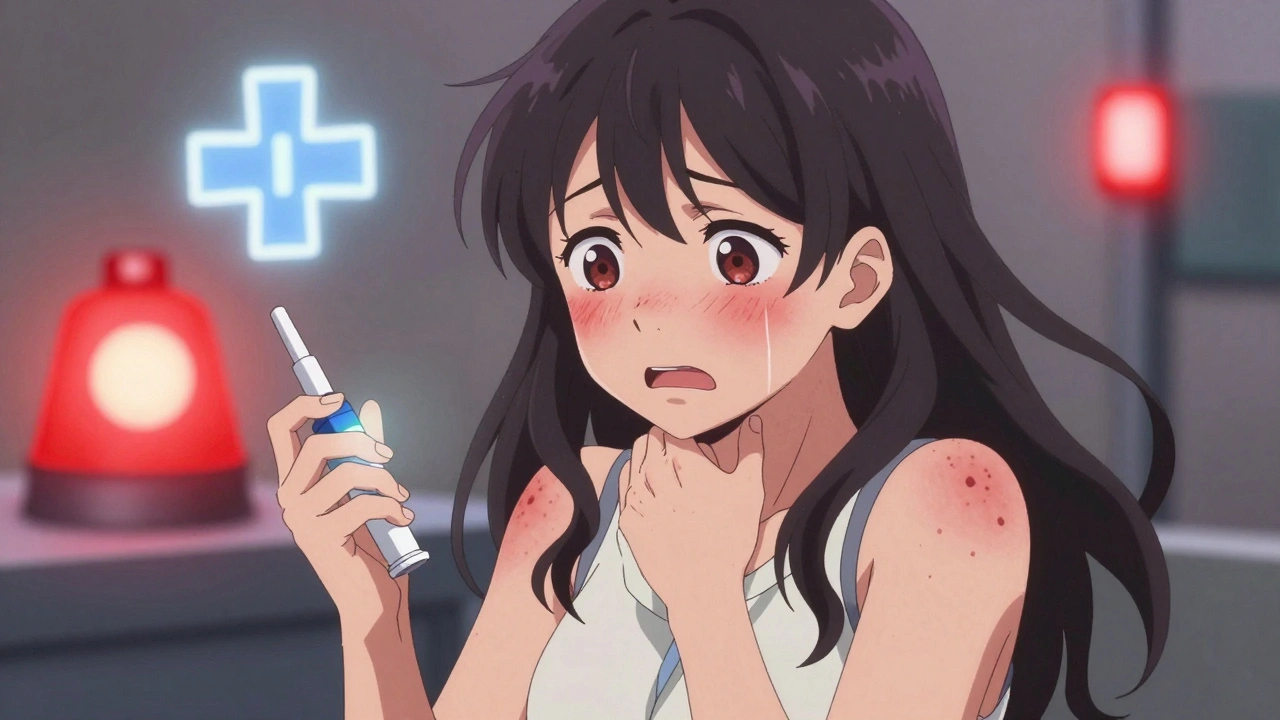
Severe drug reactions can be deadly. Know the warning signs-like trouble breathing, skin peeling, or swelling-and act fast. Epinephrine saves lives in anaphylaxis. Delaying help can cost you yours.
Not all brand-name drugs have generic versions-even after patents expire. Complex formulations, patent thickets, pay-for-delay deals, and FDA hurdles keep prices high. Here’s why some drugs stay expensive forever.
Folic acid is common in supplements, but many people can't process it. Learn how methylfolate, folate, and folinic acid work better for energy, mood, and pregnancy-especially if you have MTHFR gene variants.
Specialists often choose brand-name drugs over cheaper alternatives because of limited treatment options, patient safety concerns, and systemic barriers. Here's why specialty prescribing remains dominated by high-cost medications.
Fluticasone nasal spray and oral steroids both reduce inflammation, but they work very differently. Learn why nasal spray is safer for allergies and when oral steroids are actually needed.
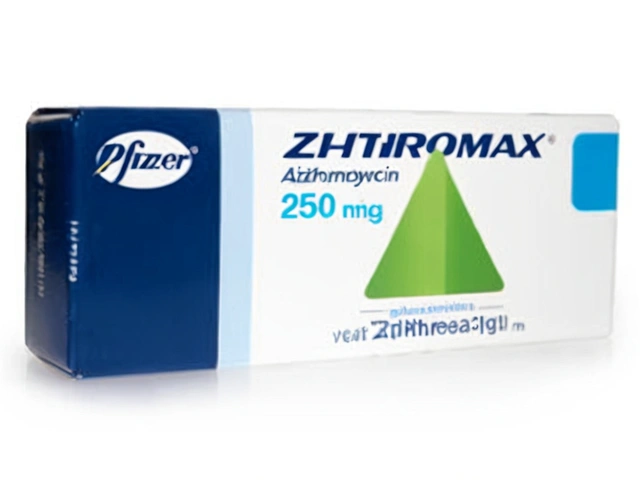
An in-depth look into the severe side effects of the antibiotic Zithromax (Z-Pak) and the legal actions against Pfizer Inc. Over-prescription risks, patient reports of severe health issues, and legal options for affected individuals are discussed.