Every year, tens of thousands of people buy medicines online thinking they’re saving money-only to end up in the hospital, or worse. The truth is, online pharmacy counterfeits aren’t just a scam. They’re a deadly public health threat hiding behind fake websites that look just like real pharmacies. You might think you’re getting a discount on Ozempic, Botox, or painkillers, but what you’re actually getting could be fentanyl-laced powder, chalk, or rat poison. And you won’t know until it’s too late.
How Fake Online Pharmacies Trick You
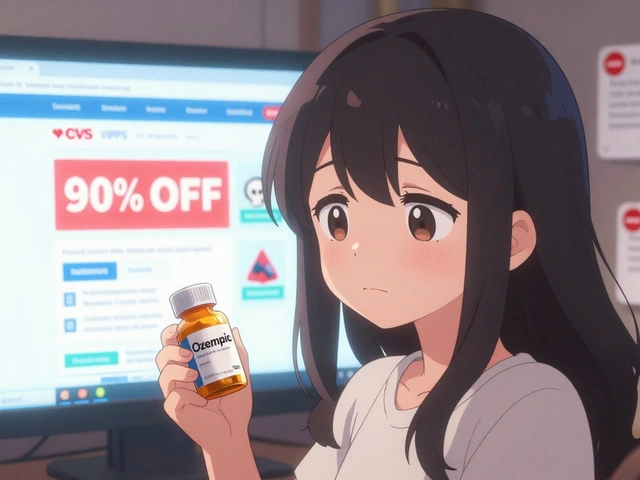
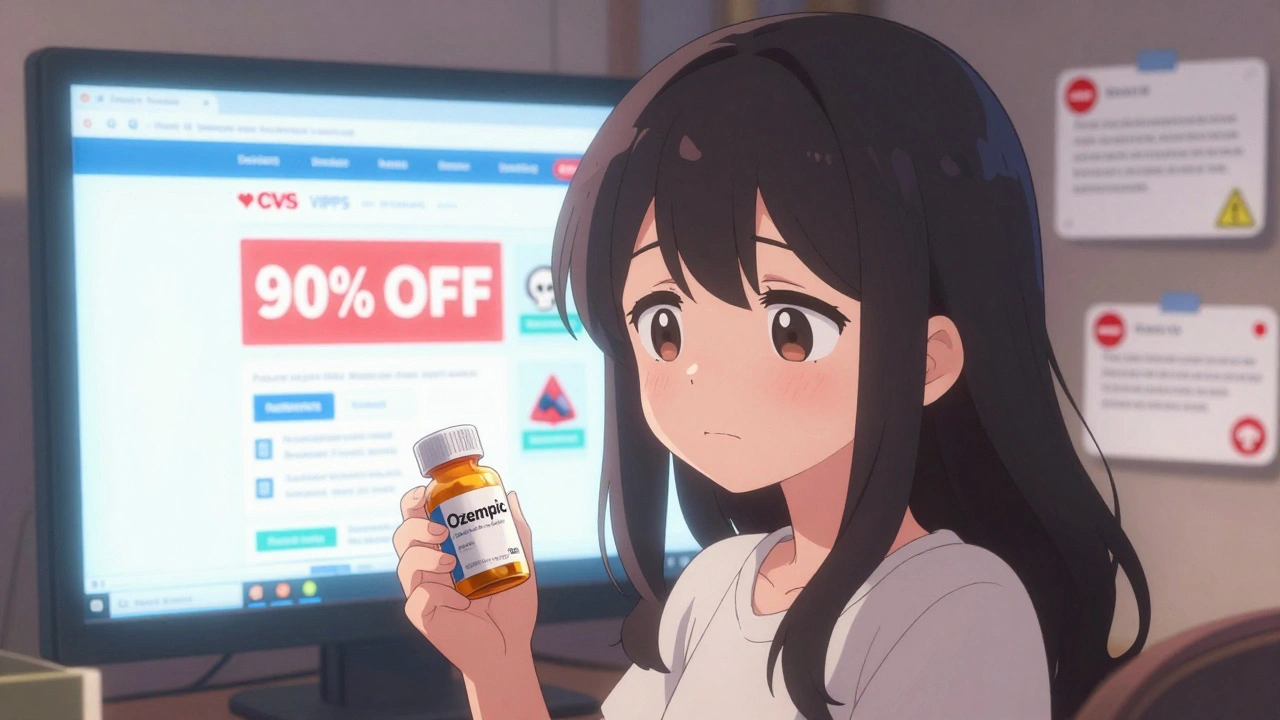
These websites don’t look like criminal operations. They have professional logos, secure-looking checkout pages, customer reviews, and even live chat support. Some even mimic the exact layout of real pharmacies like CVS or Walgreens. They use the same product names, packaging images, and dosage instructions. The only difference? They don’t require a prescription. They don’t have licensed pharmacists. And they don’t store medicines in temperature-controlled warehouses. They’re designed to exploit urgency and cost. Someone with diabetes might be scared of rising insulin prices. A person trying to lose weight sees a 70% discount on Ozempic and clicks ‘Buy Now.’ A middle-aged man looking for erectile dysfunction pills finds a site that ships overnight with no questions asked. These are the exact targets. Criminals don’t guess-they study consumer behavior. The Alliance for Safe Online Pharmacies found that 96% of online pharmacies selling prescription drugs operate illegally. That means only 1 in 25 sites you find are safe.What’s Inside Those Pills?
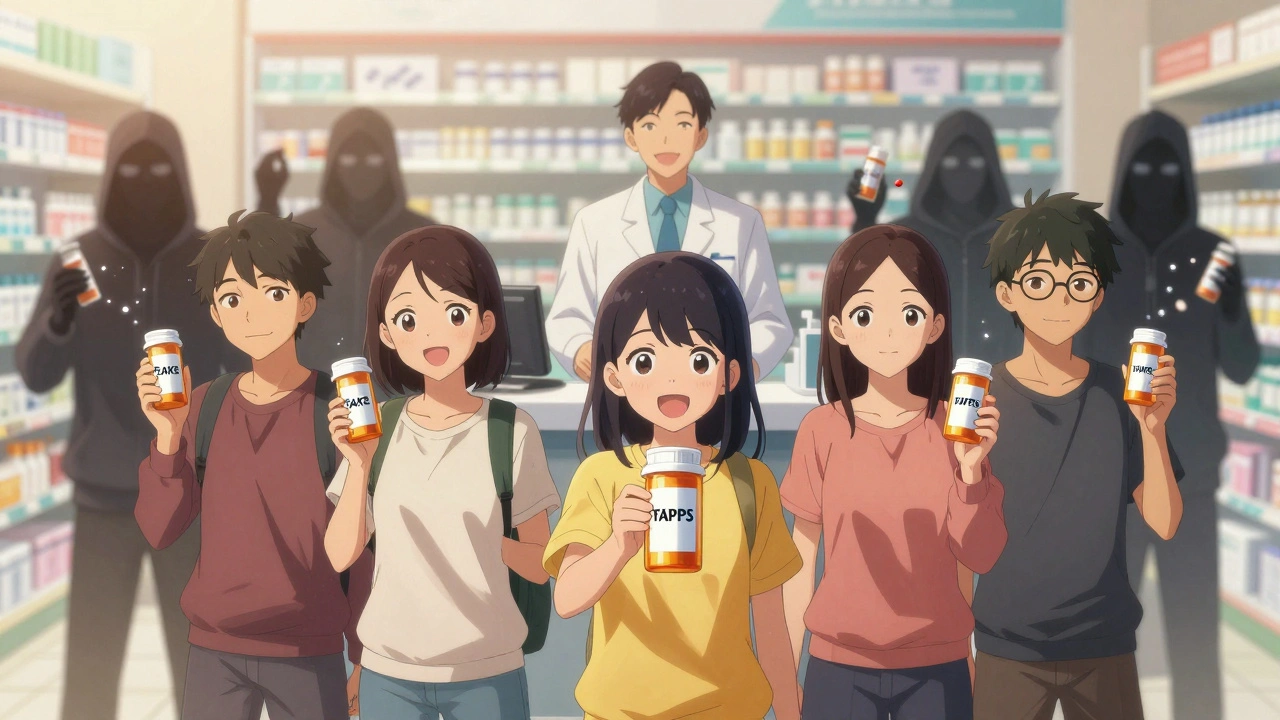
Counterfeit medicines aren’t just missing the right ingredients-they often have the wrong ones. The U.S. Drug Enforcement Administration seized over 60 million fake pills in 2024. Most of them contained fentanyl. A single pill with just 2 milligrams of fentanyl can kill an adult. That’s less than a grain of salt. Many people who overdose on these pills think they’re taking oxycodone or Xanax. They’re not. They’re taking a drug 50 times stronger than heroin. Other common fake products include:- Counterfeit Ozempic: Contains no semaglutide. Instead, it may have sugar, starch, or toxic solvents that can damage your pancreas.
- Counterfeit Botox: Injected into your face, it can cause paralysis, vision loss, or botulism. In 2024, the FDA confirmed multiple cases across several states.
- Counterfeit alli (orlistat): Marketed as a weight-loss aid, but lab tests showed some batches had no active ingredient at all. Others contained laxatives that caused severe dehydration.
- Counterfeit antibiotics: May contain low doses of the wrong drug, leading to antibiotic resistance. Or worse-they’re just filler.
Why Legit Pharmacies Are the Only Safe Choice
A real online pharmacy follows strict rules. It requires a valid prescription from a licensed doctor. It has a physical address you can verify. It employs licensed pharmacists who review your medication history. It stores drugs in climate-controlled facilities. And it’s verified by programs like the National Association of Boards of Pharmacy’s VIPPS seal. Less than 5% of online pharmacies meet these standards. That means if you’re buying medicine online without checking for VIPPS certification, you’re almost certainly buying from a criminal. The FDA’s BeSafeRx program gives you three simple rules:- Only buy from pharmacies that require a prescription.
- Only buy from pharmacies with a physical U.S. address and phone number you can call.
- Only buy from pharmacies that have a licensed pharmacist available to answer your questions.

The Real Cost of Saving Money
You might think you’re saving $200 on a month’s supply of Ozempic. But if that pill contains fentanyl, the cost isn’t financial-it’s fatal. The CDC has issued multiple warnings: people who buy prescription drugs online are at risk of overdose from counterfeit pills laced with synthetic opioids. In 2024, the U.S. Department of Justice indicted 18 people for running fake online pharmacies that distributed millions of these pills across 47 states. And it’s not just overdoses. People have suffered kidney failure from fake diabetes meds, blindness from fake eye drops, and liver damage from fake painkillers. Some patients report no effect from their counterfeit meds-only to find out later their condition worsened because they weren’t getting the real drug. Others had allergic reactions to unknown contaminants. Pfizer alone has prevented over 302 million counterfeit doses from reaching patients since 2004. That’s not a statistic-it’s 302 million people who might have died.How to Spot a Fake Pharmacy (Even If It Looks Real)
Counterfeiters are getting smarter. Their websites load fast. Their customer service answers quickly. Their payment systems are encrypted. But here’s how to tell the difference:- Check for the VIPPS seal: Go to the National Association of Boards of Pharmacy website and search for the pharmacy by name. If it’s not listed, it’s not legit.
- Look up the physical address: Type it into Google Maps. Does it show a warehouse? A residential house? A PO box? Real pharmacies have storefronts or licensed distribution centers.
- Call the phone number: Ask to speak to a pharmacist. If they can’t connect you or sound scripted, walk away.
- Check the domain: Legit pharmacies use .com, .org, or .gov. Watch out for misspellings like “pharmaceuitical.com” or “ozempic-offer.net.”
- Search for FDA alerts: Type “FDA counterfeit [drug name]” into Google. If there’s a warning, don’t buy.
What to Do If You Already Bought Something Suspicious
If you’ve taken a pill from an unverified site and feel dizzy, nauseous, have trouble breathing, or notice sudden changes in vision or heart rate-seek emergency help immediately. Call 911 or go to the nearest ER. Tell them you suspect a counterfeit medication. Then report it:- Report the medicine to the FDA’s MedWatch program: [email protected] or call 855-543-3784.
- Report the website to the FDA’s Office of Criminal Investigations.
- Save the packaging, receipt, and any communication with the seller. This helps authorities track the source.
There’s No Safe Shortcut
There’s no magic trick to buying safe medicine online. The only safe path is through licensed pharmacies-online or in-person. If your doctor won’t prescribe the medication you want, don’t turn to the internet. Talk to them again. Ask about patient assistance programs. Look into generic alternatives. There are legal, safe ways to reduce costs. They take more time, yes. But they save lives. The fake pharmacies aren’t going away. They’re evolving. They’re targeting new drugs. They’re using AI to generate fake reviews. They’re hiding behind overseas servers. But you don’t need to be an expert to protect yourself. You just need to be cautious. Every time you buy from a fake site, you’re not just risking your health-you’re funding criminal networks that profit from death. Don’t be a statistic. Don’t gamble with your life for a discount. Real medicine saves lives. Fake medicine ends them.How can I tell if an online pharmacy is real?
Look for the VIPPS seal from the National Association of Boards of Pharmacy. Check that the pharmacy requires a prescription, has a physical U.S. address, and employs a licensed pharmacist you can speak with. Avoid sites that sell medications without a prescription or offer prices that seem too good to be true.
What should I do if I think I bought a fake medicine?
Stop taking it immediately. If you feel sick, seek emergency medical care. Report the product to the FDA’s MedWatch program at [email protected] or call 855-543-3784. Save the packaging and any purchase records to help authorities track the source.
Are all websites selling Ozempic or Botox fake?
No-but the vast majority are. Only pharmacies verified by the FDA or VIPPS can legally sell these medications. Many counterfeit versions of Ozempic and Botox have been found in the U.S. market since 2023. If you’re buying them online without a prescription, you’re almost certainly getting a fake.
Can counterfeit medicine be dangerous even if it looks real?
Yes. Counterfeit drugs often look identical to the real thing-same color, shape, and packaging. But they can contain toxic substances like fentanyl, rat poison, or industrial chemicals. You can’t tell by appearance. Only lab testing confirms authenticity.
Why are counterfeit medicines so common online?
They’re highly profitable and low-risk. Criminals can make thousands of dollars per shipment with little chance of being caught. Consumers are drawn in by discounts, and many don’t know how to spot a fake. The global supply chain is complex, and enforcement is inconsistent across borders.
Is it safe to buy medicine from international pharmacies?
Not unless they’re verified by U.S. authorities. Many countries have weaker drug safety laws. Even if a pharmacy claims to be based in Canada or the UK, if it’s not FDA-approved or VIPPS-certified, it’s not guaranteed to be safe. The FDA does not regulate foreign pharmacies, so you have no legal protection.