
When you buy medicine, you expect it to work — and to be safe. But counterfeit drugs, fake versions of real medications that may contain no active ingredient, wrong dosage, or dangerous contaminants. Also known as fake medications, they look identical to the real thing but can cause serious harm or even death. These aren’t just street-level scams. Counterfeit drugs show up in online pharmacies, foreign suppliers, and even in legitimate-looking clinics. The World Health Organization estimates that 1 in 10 medical products in low- and middle-income countries are substandard or falsified. In wealthier nations, the problem is growing too — especially with online purchases that skip real prescriptions.
Medication fraud, the illegal production and distribution of fake drugs thrives because of gaps in global supply chains. Many fake pills are made in unregulated labs, often overseas, using cheap chemicals that can be toxic. Some contain rat poison, floor cleaner, or even cement. Others have the right active ingredient but way too much — or too little — making them useless or deadly. Drug safety, the system of checks that ensures medicines work as intended relies on traceability, testing, and oversight — all of which break down when drugs cross borders without proper inspection. Even hospitals and pharmacies can unknowingly stock counterfeit products if suppliers cut corners.
You might think you’re saving money by buying pills online without a prescription, but you’re risking your life. A fake Viagra might not work — or it might contain a deadly dose of sildenafil combined with unknown additives. A counterfeit antibiotic could leave your infection untreated, letting it spread. And if you’re taking medicine for heart disease, diabetes, or cancer, a fake version could kill you faster than the disease itself. Counterfeit pharmaceuticals, fraudulent versions of branded or generic drugs are designed to fool even trained professionals. Packaging looks real. Tablets are the right color and shape. Even the blister packs have the same fonts and logos.
The good news? You can protect yourself. Always buy from licensed pharmacies. Check if the website requires a prescription. Look for the VIPPS seal in the U.S. or equivalent certifications elsewhere. Don’t trust deals that seem too good to be true — they usually are. If your medicine looks different, smells odd, or doesn’t work like it used to, talk to your pharmacist. Report suspicious products to health authorities. This isn’t just about money — it’s about survival.
The posts below show you exactly how counterfeit drugs slip through the system, what real patients have experienced, and how to spot red flags before it’s too late. You’ll learn how fake pills are made, where they come from, and what to do if you think you’ve been given a dangerous substitute. This isn’t theoretical — it’s life-or-death information you need now.
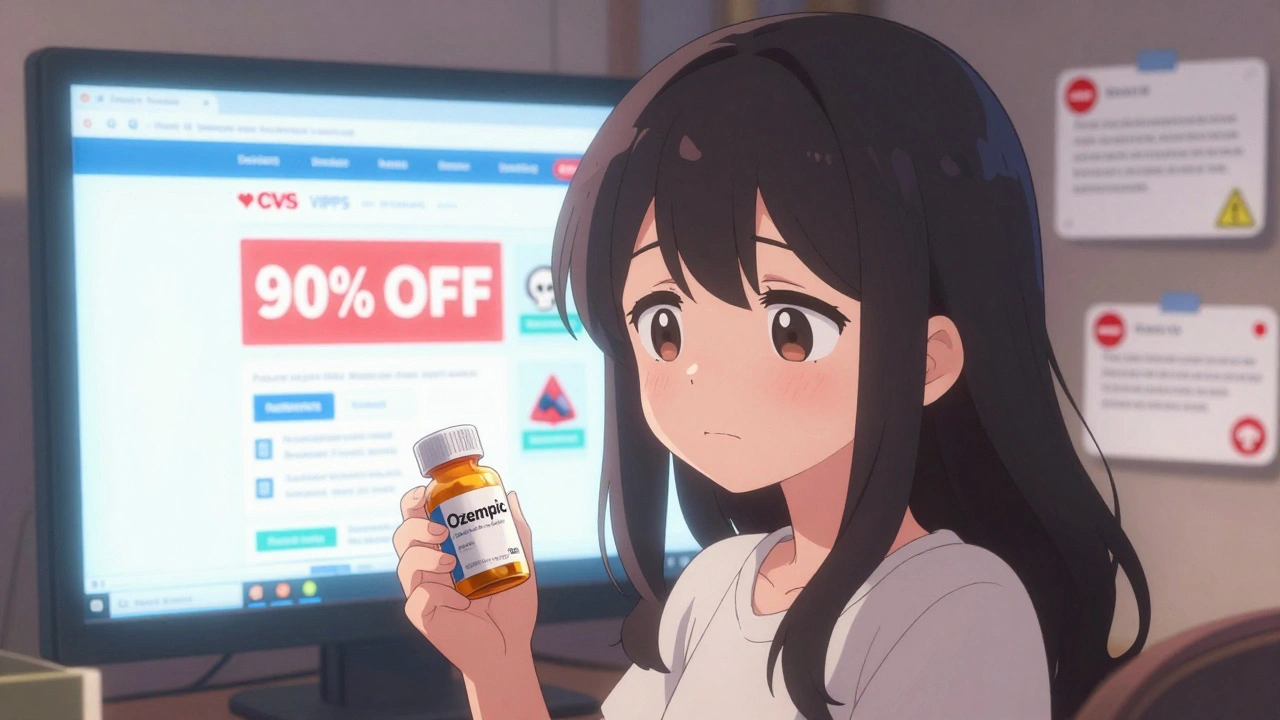
Buying medicine online might seem convenient, but counterfeit drugs are a deadly threat. Fake pills often contain fentanyl, toxic chemicals, or no active ingredient at all. Learn how to spot real pharmacies and protect yourself.

Learn how to verify if your medicine is real using official tools like EU FMD and U.S. DSCSA systems. Spot counterfeit drugs and protect yourself with proven methods and expert tips.
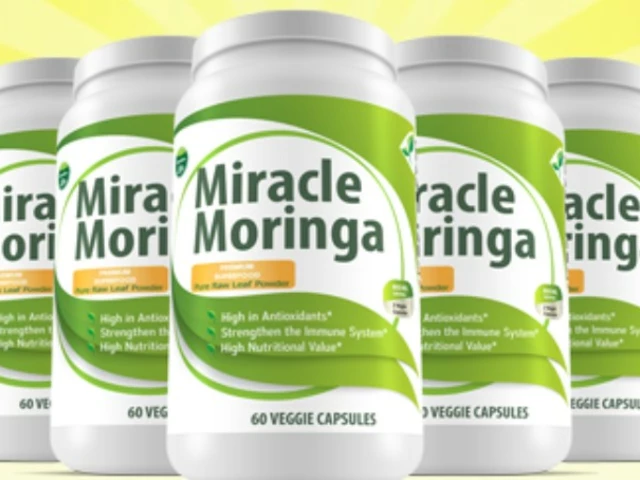
I recently came across an incredible dietary supplement called Moringa, and I just had to share its amazing benefits with you all. This nutrient-packed plant is transforming lives and improving health in numerous ways. Rich in vitamins, minerals, and amino acids, Moringa has been known to boost energy, improve digestion, and even support a healthy immune system. It's no wonder that it's gaining popularity as a superfood! If you're looking for a natural way to enhance your overall well-being, you might want to consider giving Moringa a try.

As a blogger, I recently discovered some interesting information about the relationship between Atorvastatin and skin health. It turns out that Atorvastatin, a medication commonly used to lower cholesterol, may have some positive effects on our skin. Studies have shown that it can help reduce inflammation and improve skin conditions like psoriasis. However, it's important to note that Atorvastatin is not specifically designed for skin treatment and should only be used under the guidance of a healthcare professional. So, if you're struggling with skin issues, it might be worth discussing this medication with your doctor.

Explore how ropinirole affects daytime sleepiness in Parkinson's patients, review key studies, compare alternatives, and learn practical tips to stay alert.
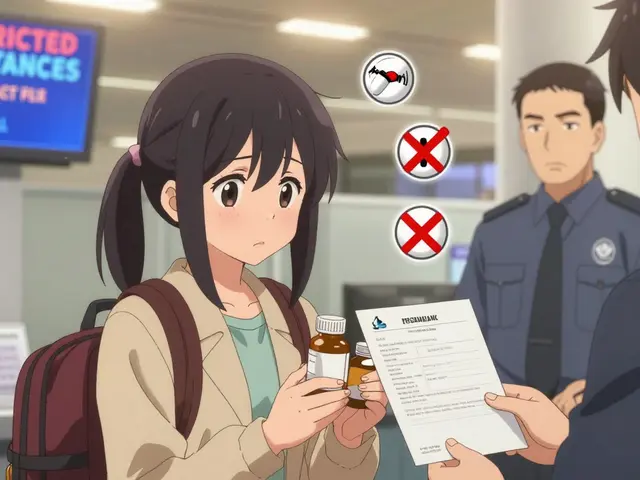
Learn how to safely carry and refill medications abroad, avoid legal trouble, and get local prescriptions when traveling. Essential tips for travelers with chronic conditions, mental health meds, or pain management needs.

A detailed guide that compares Symbicort (budesonide/formoterol) with its main alternatives, covering mechanism, dosing, side effects, cost, and how to pick the right inhaler.