
When you buy medicine online, you’re trusting a website with your health—and too often, that trust is broken. Online pharmacy counterfeits, fake or tampered medications sold through unregulated websites. Also known as fake medications, these products can contain no active ingredient, the wrong dose, or even toxic substances like rat poison or paint thinner. The FDA estimates that over 50% of drugs sold online come from illegal sources. And it’s not just cheap painkillers or erectile dysfunction pills—people have died from fake cancer drugs, antibiotics, and heart medications.
These fakes don’t just appear on shady sites. They’re hidden in ads that look like real pharmacies, in social media posts promising "discounts," and even in emails that mimic your doctor’s office. Counterfeit drugs, medications deliberately mislabeled to look real are made in unregulated labs, often overseas, with no quality control. Drug authenticity, the ability to confirm a medicine is genuine and safe isn’t just a buzzword—it’s a survival skill. Tools like the EU FMD and U.S. DSCSA systems exist to track real drugs, but most consumers don’t know how to use them. You can’t rely on packaging alone. Fake pills often look perfect—same color, same logo, same bottle. The only way to be sure is to know where you’re buying from.
Real pharmacies require a prescription. They’re licensed, have a physical address you can verify, and offer a way to talk to a real pharmacist. If a site sells pills without a prescription, offers prices that seem too good to be true, or doesn’t list a licensed pharmacist on staff, walk away. The online pharmacy counterfeits problem isn’t going away—it’s getting smarter. But you can stay ahead. Learn how to check NDC codes, spot inconsistent labeling, and use official verification tools. The posts below show you exactly how to protect yourself, from spotting fake Viagra Oral Jelly to understanding why some generics vanish from shelves. You’ll find real stories, practical checklists, and the tools that actually work. This isn’t theory. It’s how you keep your medicine—and your life—safe.
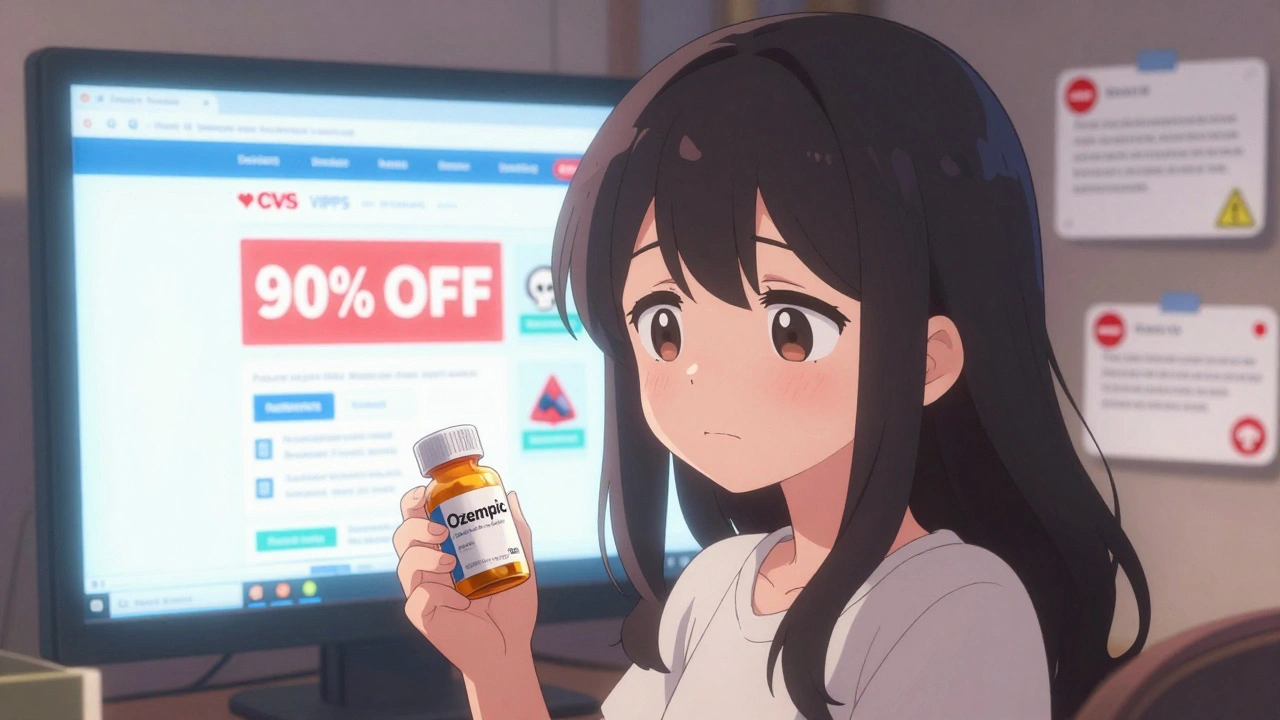
Buying medicine online might seem convenient, but counterfeit drugs are a deadly threat. Fake pills often contain fentanyl, toxic chemicals, or no active ingredient at all. Learn how to spot real pharmacies and protect yourself.
Herpes simplex virus (HSV-1 and HSV-2) causes cold sores and genital outbreaks. Learn how antiviral therapy reduces symptoms, prevents transmission, and manages complications - with real data on outbreaks, testing, and treatment.
Ciclopirox is no longer just a nail fungus treatment. New research shows promise in cancer, antibiotic-resistant infections, and advanced topical delivery - making it one of the most surprising drug repurposing stories of 2025.

Fenofibrate, usually known for managing cholesterol levels, has a surprising impact on overall cardiovascular health. By targeting triglycerides, it not only improves heart performance but also reduces risks associated with heart attacks and strokes. This article delves into how fenofibrate works, its benefits, potential side effects, and tips for safe consumption. Whether you're new to fenofibrate or looking to optimize its use, here's comprehensive guidance for enhancing heart health.

A clear, evidence‑based comparison of Hoodia's oxypregnane, steroidal and glycoside forms versus top weight‑loss alternatives, covering mechanisms, safety, cost, and best‑use tips.
Learn step‑by‑step how to purchase cheap generic tetracycline online, spot safe pharmacies, compare prices, and avoid counterfeit risks.