
When your body overreacts to something harmless—like peanuts, bee stings, or certain medicines—it can trigger a full-body emergency called anaphylaxis, a severe, life-threatening allergic reaction that affects multiple organ systems. Also known as anaphylactic shock, it doesn’t wait for permission to strike. Symptoms can start in seconds and worsen rapidly, making every minute count. This isn’t just a bad rash or a stuffy nose. Anaphylaxis shuts down breathing, drops blood pressure, and can kill if not treated fast.
Most cases are caused by allergens, substances that trigger an immune system overreaction in sensitive people. Common ones include foods like peanuts, shellfish, and eggs; insect stings from bees or wasps; and medications like penicillin or NSAIDs. Even latex or exercise in rare cases can set it off. What makes anaphylaxis dangerous isn’t the allergen itself—it’s how your body responds. Histamine floods your system, blood vessels leak fluid, airways swell, and your heart struggles to pump. That’s why epinephrine, the only medication that can reverse anaphylaxis by tightening blood vessels and opening airways is non-negotiable. Antihistamines? They help with itching or hives—but they won’t stop you from dying.
People who’ve had anaphylaxis before are at higher risk of it happening again. That’s why carrying an epinephrine auto-injector isn’t optional—it’s survival gear. And knowing how to use it matters more than owning it. Many deaths happen because the right person doesn’t inject in time, or someone else is too scared to act. Emergency rooms aren’t the first line of defense—your hand with the pen-like injector is. After using epinephrine, you still need to call 911. The reaction can come back, even hours later. That’s why staying under medical watch for several hours after the first dose is standard.
What you’ll find in the posts below isn’t just theory. These are real-world stories and facts about how medications, allergies, and emergency responses intersect. You’ll see how drug interactions can trigger reactions, why some people don’t recognize early signs, and how to protect yourself or someone you love. There’s no sugarcoating here. Anaphylaxis doesn’t care if you’re careful, busy, or distracted. But knowledge? That can change everything.

Explore the rare risks of vaccine allergic reactions, from anaphylaxis rates to the safety systems like VAERS that keep millions of people safe during immunization.
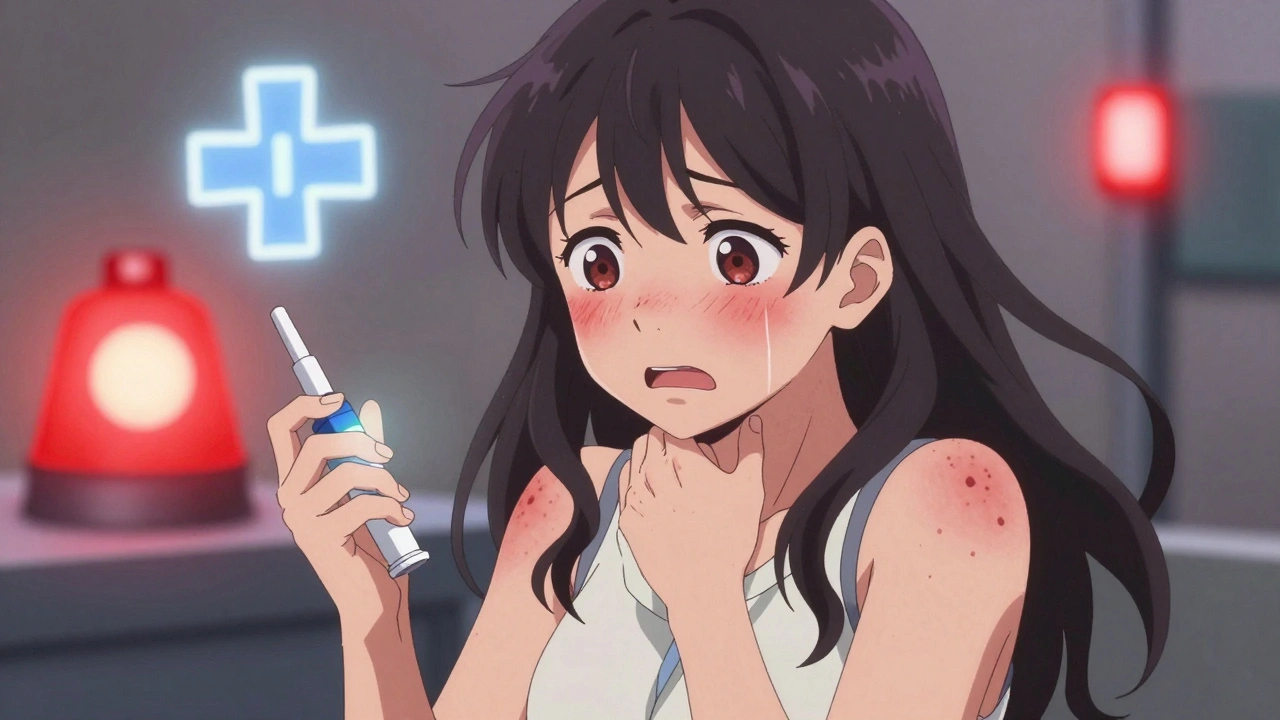
Severe drug reactions can be deadly. Know the warning signs-like trouble breathing, skin peeling, or swelling-and act fast. Epinephrine saves lives in anaphylaxis. Delaying help can cost you yours.

In my latest blog post, I've discovered an incredible secret weapon in the fight against inflammation and joint pain: Goutweed! This powerful herb has been used for centuries in traditional medicine and is now gaining recognition in modern times. Goutweed contains potent anti-inflammatory properties which can help alleviate joint pain and improve overall health. I've been amazed by the results I've experienced after incorporating Goutweed into my daily routine. Check out my blog to learn more about this amazing plant and how it can help you in your battle against inflammation and joint pain!
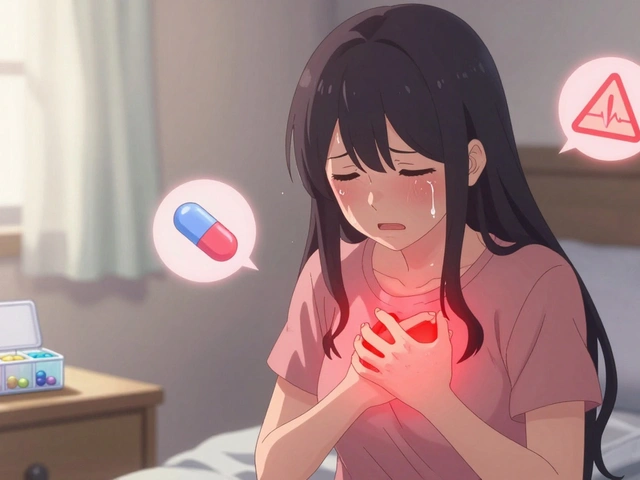
Learn the early warning signs of dangerous medication side effects that can lead to hospitalization or death. Know when to act fast and how to protect yourself before it's too late.
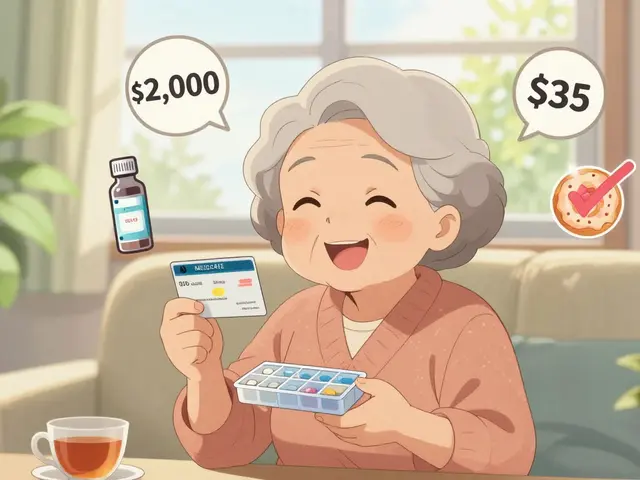
Medicare Part D now has a $2,000 annual cap on drug costs in 2025, eliminating the donut hole. Learn how Extra Help, plan choices, and insulin pricing work for seniors on prescription meds.
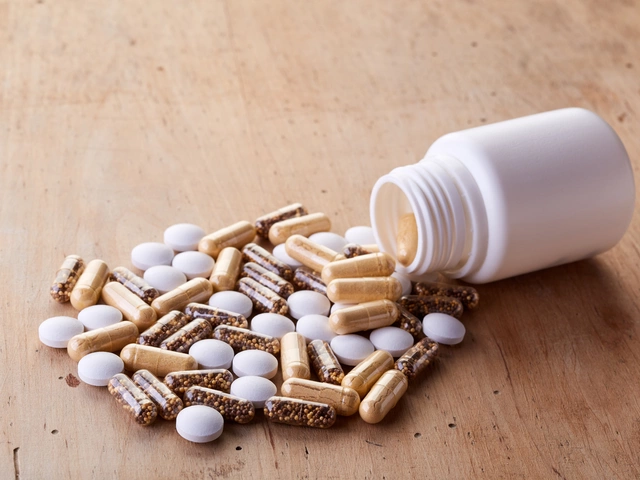
I've recently discovered a game-changer for wellness, the Arenaria Rubra dietary supplement. This little-known natural powerhouse is full of benefits that can boost your overall health and vitality. It's amazing how it supports everything from our digestive system to our skin health. I've been incorporating it into my daily routine, and I can genuinely feel the difference. If you're looking to elevate your wellness game, Arenaria Rubra is definitely worth considering.

Sleep apnea doesn't just disrupt sleep-it strains your heart, spikes blood pressure, and triggers dangerous arrhythmias. Learn how untreated sleep apnea increases heart attack, stroke, and atrial fibrillation risk-and what treatment can do to reverse it.