

Learn how to identify authorized generics by checking packaging, NDC codes, and labeling. Understand why they're identical to brand drugs but cheaper, and how to confirm you're getting the real thing.
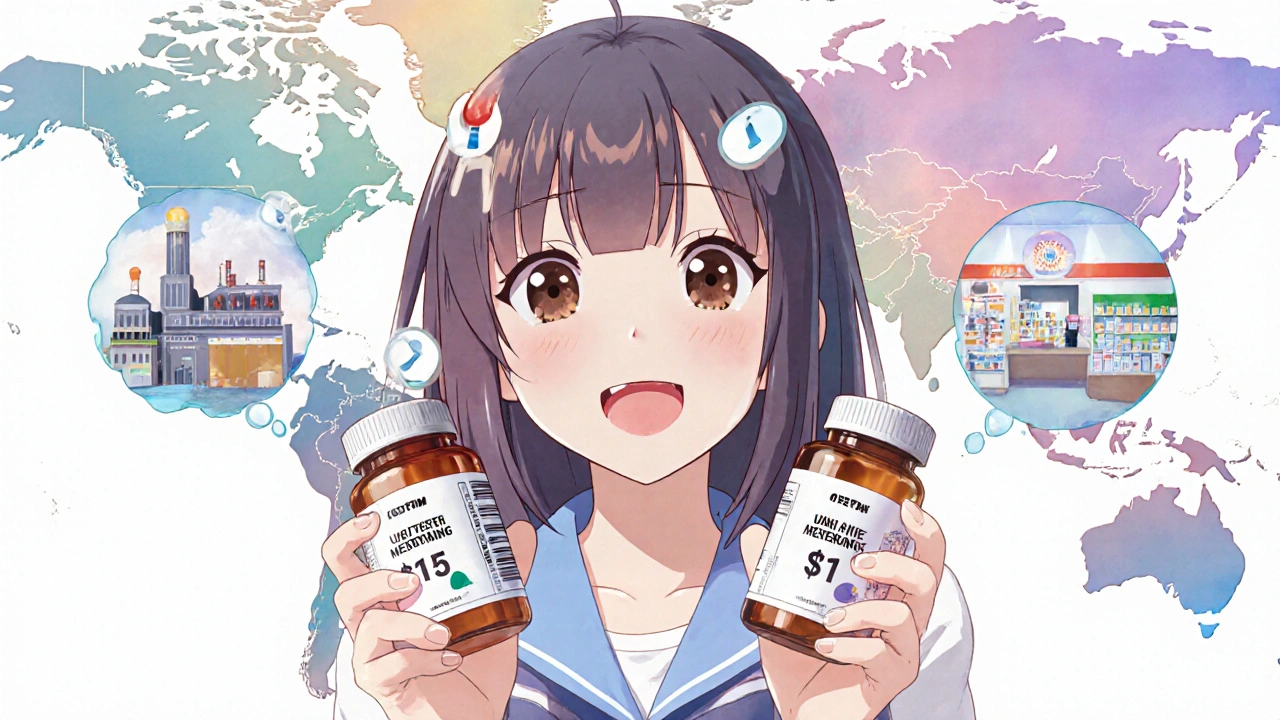
Generic drugs save money-but their availability and price vary wildly around the world. Why do some countries have 80% generic use while others use less than 20%? And why do the same pills cost 10x more in one country than another?
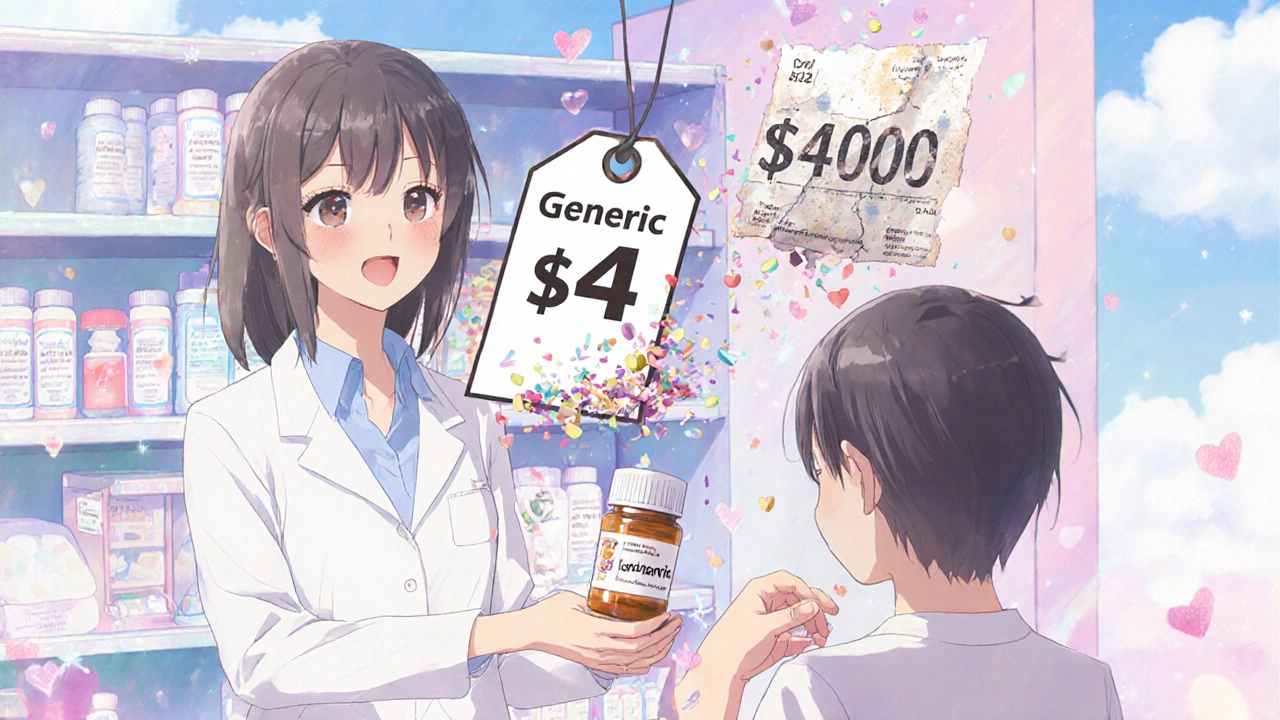
Generic drugs cost 80-85% less than brand-name drugs because they don’t repeat expensive clinical trials or pay for patent-era marketing. They’re chemically identical, FDA-approved, and save Americans billions every year.

Narrative medicine helps patients and providers understand how personal stories shape trust in medications. Learn how listening to patients' experiences can improve acceptance of generic drugs-even when science says they're identical.

EU cross-border pharmacy services let citizens buy generic drugs in any member state using digital prescriptions. Learn how ePrescriptions work, where they’re accepted, and what still blocks access in 2026.

Switching health plans? Your generic drug coverage can change drastically - and cost you thousands. Learn how to check formularies, understand tiers, and avoid surprise prescription costs.
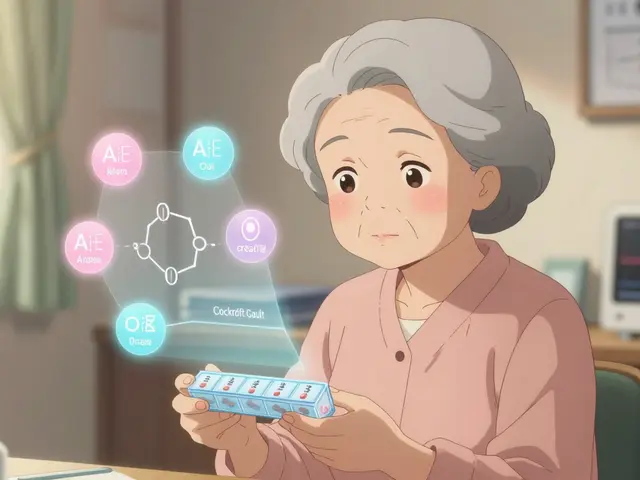
DOACs like apixaban, rivaroxaban, and dabigatran require precise dosing adjustments in kidney disease to prevent bleeding or clots. Learn how to calculate creatinine clearance correctly and choose the safest option.
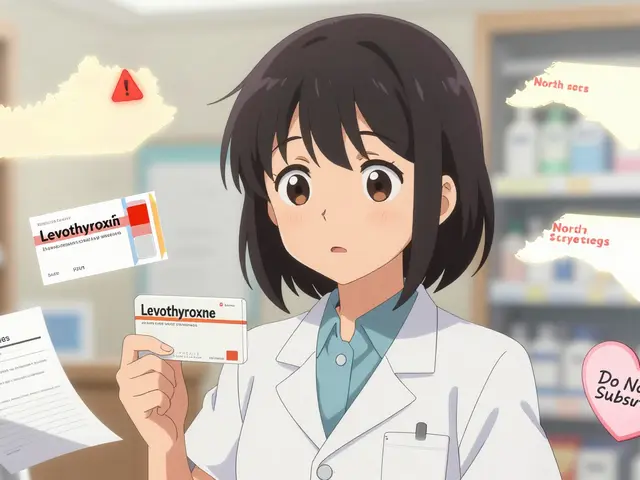
Twenty-seven U.S. states have special rules restricting generic substitution for narrow therapeutic index (NTI) drugs like warfarin, levothyroxine, and lithium. These laws vary widely - from outright bans to dual consent requirements - creating a patchwork that affects patient safety, pharmacy workflows, and drug costs.

Thyroid cancer is highly treatable, with most patients living normal lives. Learn about the main types-papillary, follicular, medullary, and anaplastic-and how radioactive iodine therapy and thyroidectomy are used to treat them. Understand when treatment is necessary and what to expect after surgery.