
Learn how to identify authorized generics by checking packaging, NDC codes, and labeling. Understand why they're identical to brand drugs but cheaper, and how to confirm you're getting the real thing.
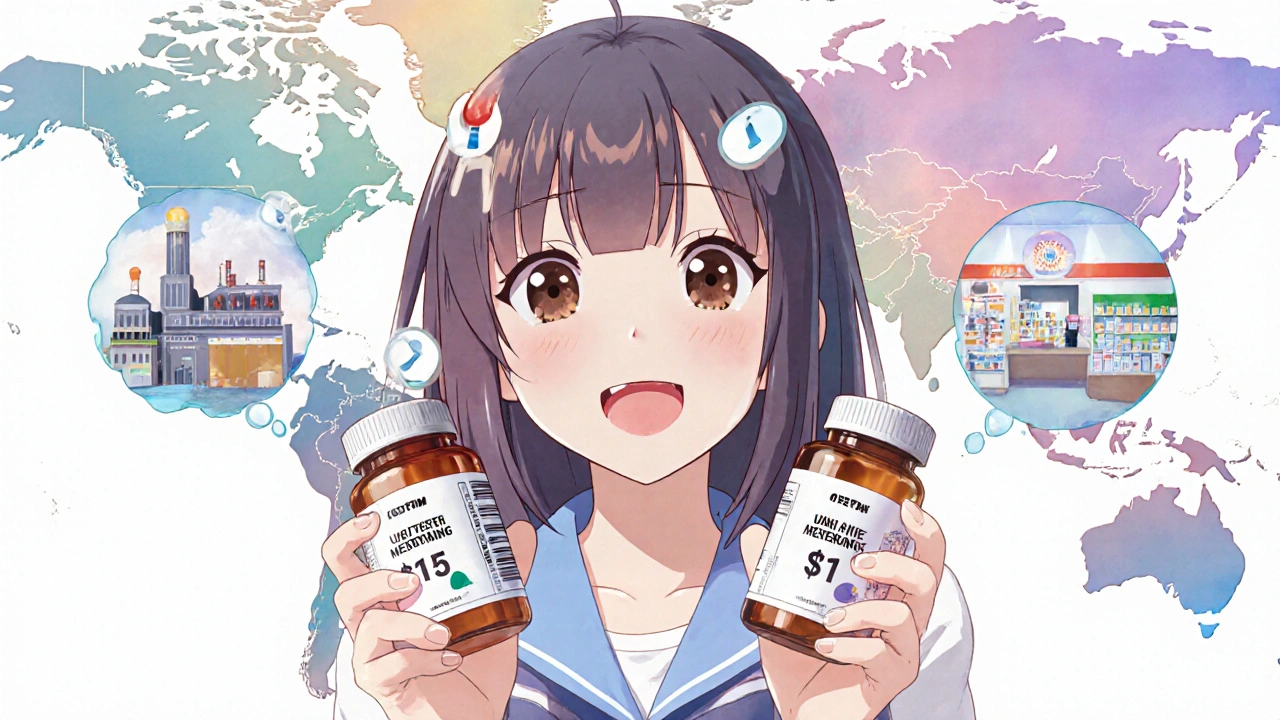
Generic drugs save money-but their availability and price vary wildly around the world. Why do some countries have 80% generic use while others use less than 20%? And why do the same pills cost 10x more in one country than another?
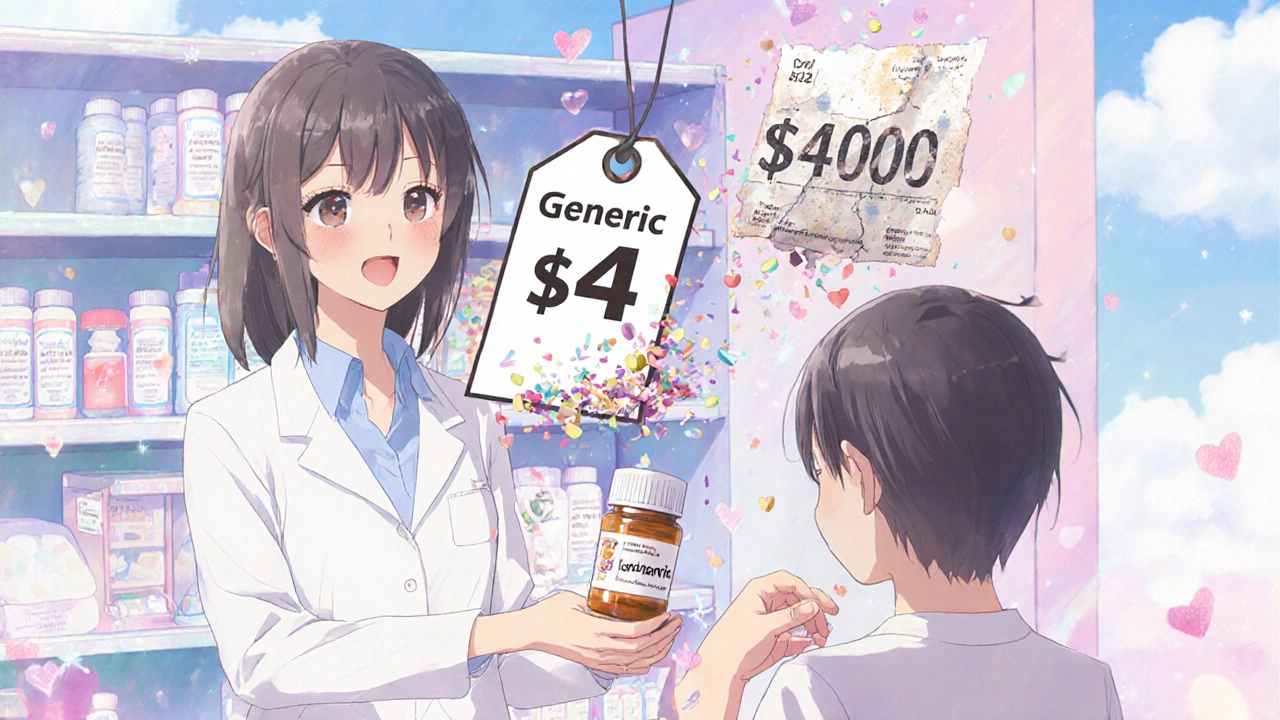
Generic drugs cost 80-85% less than brand-name drugs because they don’t repeat expensive clinical trials or pay for patent-era marketing. They’re chemically identical, FDA-approved, and save Americans billions every year.
Narrative medicine helps patients and providers understand how personal stories shape trust in medications. Learn how listening to patients' experiences can improve acceptance of generic drugs-even when science says they're identical.
Fluticasone nasal spray and oral steroids both reduce inflammation, but they work very differently. Learn why nasal spray is safer for allergies and when oral steroids are actually needed.
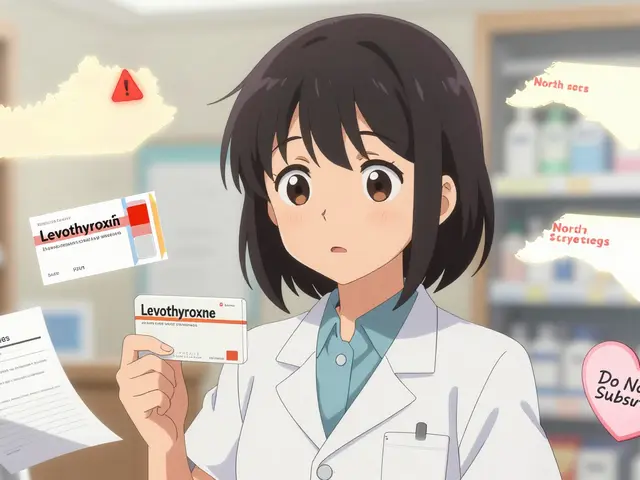
Twenty-seven U.S. states have special rules restricting generic substitution for narrow therapeutic index (NTI) drugs like warfarin, levothyroxine, and lithium. These laws vary widely - from outright bans to dual consent requirements - creating a patchwork that affects patient safety, pharmacy workflows, and drug costs.
Why do cheaper drugs seem less effective? Research shows price affects perception, not actual efficacy. Learn how psychology, FDA standards, and doctor communication shape drug choices.
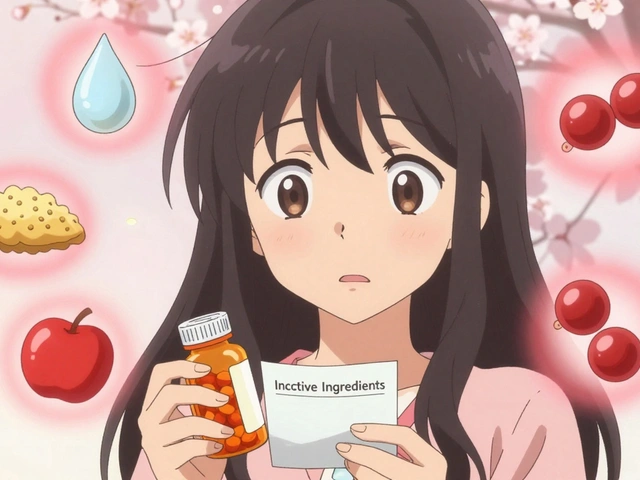
Many generic medications contain hidden allergens like lactose, gluten, or food dyes that can trigger reactions-even when the active ingredient is the same as the brand name. Learn how to identify risky excipients and protect yourself.
Generic drugs are approved without new safety trials, making post-market surveillance critical. Learn how the FDA tracks adverse events, why quality issues arise, and what patients and providers can do to ensure ongoing safety.