Dealing with a lifelong health issue often means your medicine cabinet becomes a permanent part of your daily routine. Whether it's for blood pressure, diabetes, or thyroid health, these daily prescriptions are the bedrock of your stability. But when your pharmacy tells you they're switching you to a generic version to save money-or your insurance demands it-it's natural to feel a bit anxious. Will it actually work? Is "cheaper" just a code word for "lower quality"?
The short answer is that for the vast majority of people, the switch is seamless. However, managing a chronic condition is about precision, and even a tiny shift in how a drug is absorbed can feel like a big deal when you're fighting to keep your symptoms in check. The goal isn't just to save money, but to maintain a steady state of health without the stress of unexpected side effects.
The Real Difference Between Brand-Name and Generics
To get comfortable with the switch, you first have to understand what's actually inside the pill. Generic maintenance medications is a class of prescription drugs that contain the same active ingredient as the brand-name version but are typically sold at a lower cost. These drugs are designed to be bioequivalent, meaning they deliver the same amount of the active medicine into your bloodstream in the same amount of time as the original.
If you look at a brand-name drug and its generic twin, the active ingredient-the part that actually treats your condition-is identical. What changes are the "inactive ingredients." These are the binders, fillers, and dyes that hold the pill together or give it color. While these don't change how the drug works for 99% of people, a small handful of patients might be sensitive to a specific dye or filler, which can lead to minor side effects or a perceived difference in how the medicine feels.
The U.S. Food and Drug Administration (FDA) maintains strict standards to ensure these drugs are interchangeable. According to the FDA's Orange Book standards, the average concentration of the drug in your blood must stay within a tight window (80-125%) of the brand-name version to be approved. In reality, most generics are even closer to the mark than that.
Why Cost Matters for Your Health
It might seem like a financial conversation, but the price of your medication is actually a health metric. When a 30-day supply of brand-name atorvastatin (Lipitor) can cost nearly $380 while the generic version costs less than a dollar, the impact on a patient's life is massive. High costs lead to "prescription rationing," where people take their pills every other day or skip doses to make the bottle last longer.
Research shows that people using generics have 12-15% higher adherence rates. Why? Because they can actually afford the refill. This leads to a concrete health outcome: a 23% drop in hospitalizations for chronic condition complications. When you can afford your generic maintenance medications, you're more likely to stay consistent, and consistency is the only way to manage chronic illness effectively.
| Medication Type | Brand-Name Estimated Cost | Generic/Biosimilar Estimated Cost | Primary Benefit of Switch |
|---|---|---|---|
| Cholesterol (Atorvastatin) | $378.50 | $0.99 | Extreme cost reduction |
| Diabetes (Insulin Glargine) | $345.72 | $98.50 (Authorized Generic) | Improved daily affordability |
| Thyroid (Levothyroxine) | High | Low | Cost savings (requires monitoring) |
When the Switch is Trickier: Narrow Therapeutic Index Drugs
I'll be honest: there are a few cases where switching generics isn't a "set it and forget it" process. Some medications have what's called a Narrow Therapeutic Index (NTI). This means there is a very slim margin between a dose that works and a dose that is either ineffective or toxic. If the absorption varies by even 2-3%, you might feel it.
Common NTI drugs include:
- Levothyroxine: Used for thyroid conditions. Even a slight shift in manufacturer can cause fluctuations in thyroid-stimulating hormone (TSH) levels.
- Warfarin: A blood thinner where precise dosing is critical to prevent clots or bleeding.
- Phenytoin: Used for seizures, where stability is paramount.
If you are taking one of these, don't just switch and hope for the best. Work with your doctor to monitor your blood levels more frequently during the first few weeks of the transition. If you notice a return of symptoms or new side effects, tell your provider immediately. In some cases, they may write a prescription for "Dispense as Written" (DAW) to keep you on a specific brand or a specific generic manufacturer to avoid instability.

How to Manage Your Transition
Switching medications doesn't have to be a gamble. There is a systematic way to handle the move from brand to generic that minimizes risk and stress.
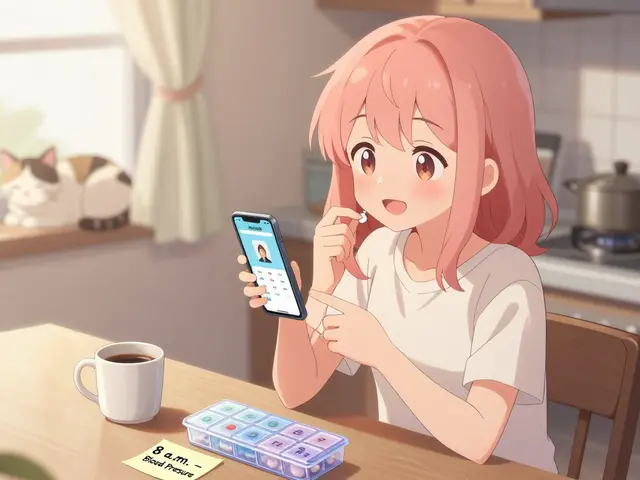
- The 30-Day Observation: Treat the first month as a trial. Use a simple diary or an app to track your symptoms daily. Are you more tired? Is your blood pressure spiking? Is your mood shifting?
- Check Your Manufacturer: Not all generics are made by the same company. If you find a specific generic brand that works perfectly for you, ask your pharmacist to keep you with that same manufacturer for future refills. This prevents "manufacturer hopping," which can happen when a pharmacy switches suppliers.
- Audit Your Inactive Ingredients: If you have known allergies to certain dyes or fillers, ask the pharmacist for the full list of inactive ingredients in the generic version. This is often where the "mysterious" side effects come from.
- Coordinate with Specialists: If you use an inhaler for asthma or COPD, remember that the device itself might change. The medicine is the same, but the way you press the canister or inhale might be different. A quick session with a respiratory therapist can ensure you're using the new device correctly.
Addressing the Mental Hurdle
There is a psychological component to this. It's hard to trust a pill that costs 10 cents when the original cost $100. This is especially common with psychiatric medications for depression or anxiety, where 34% of patients report hesitation about switching. The fear is often that the generic will be "weaker" or less effective.
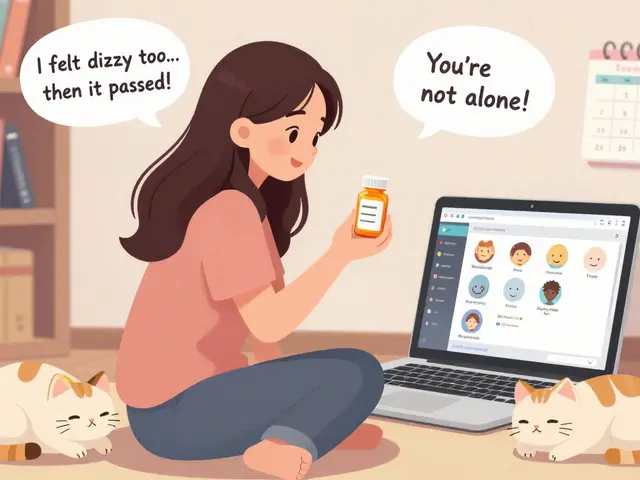
It's important to remember that the clinical evidence is overwhelmingly in favor of generics. The active molecules are identical. Any perceived difference is usually either a reaction to an inactive ingredient or a "nocebo" effect-where the expectation that a drug won't work actually creates the feeling that it isn't working. If you're feeling skeptical, talk to your pharmacist. They see thousands of these switches every month and can provide real-world data on how other patients with your specific condition have handled the change.

Navigating Insurance and Prior Authorizations
Most modern insurance plans, such as those from Blue Cross Blue Shield, now mandate generic substitution. This means they simply won't pay for the brand-name version unless you can prove a medical necessity.
If you've tried two different generics and neither worked-perhaps due to a specific allergy or an NTI issue-your doctor can file a Prior Authorization. This is a formal request to the insurance company to cover the brand-name drug. Be prepared: these are not always approved. You will likely need documentation showing that you had a "therapeutic failure" with the generic alternatives. Keep your symptom logs from your transition period; they are the best evidence your doctor can use to win that appeal.
Are generic drugs less potent than brand-name drugs?
No. By law, generics must have the same active ingredient, strength, and dosage form as the brand-name version. The FDA requires that they be bioequivalent, meaning they deliver the same amount of medicine into your bloodstream at the same rate. The only difference is in the inactive ingredients, like fillers or dyes.
Why do some people feel different when they switch to a generic?
This usually happens for two reasons. First, inactive ingredients (fillers/binders) can vary between brands, and some people are sensitive to these. Second, for drugs with a Narrow Therapeutic Index (like levothyroxine), even a tiny variation in absorption can affect how the patient feels. It's rarely because the drug is "weaker," but rather how the body processes that specific formulation.
Can I ask my pharmacy to use the same generic manufacturer every time?
Yes, you can request this. While pharmacies often stock whatever the wholesaler provides, you can ask them to note your preference for a specific manufacturer on your profile. This is particularly helpful for people sensitive to formulation changes.
What should I do if I think my generic medication isn't working?
First, start a daily symptom log to document exactly what is happening. Then, contact your doctor and pharmacist. Do not stop taking your medication abruptly, as this can be dangerous for chronic conditions. Your doctor can determine if you need a dosage adjustment, a different generic, or if you are a candidate for a brand-name prior authorization.
How long does it take to adjust to a new generic medication?
For most people, there is no adjustment period. However, if you experience minor side effects due to inactive ingredients, these typically resolve within a few weeks as your body adapts. If symptoms persist beyond one to three months, it's time to re-evaluate the medication with your healthcare provider.
Next Steps for a Smooth Switch
If you're about to switch your medication, start by reviewing your current list of drugs. Identify any that fall into the NTI category and flag those for a deeper conversation with your doctor. When you pick up your first generic refill, don't just grab the bag and leave-ask the pharmacist, "Who is the manufacturer for this generic?" and "Are there any changes in inactive ingredients compared to the brand version?"
For those on a tight budget, check if your medication is eligible for the Inflation Reduction Act caps (like the $35 limit for insulin for Medicare beneficiaries). The goal is to find the most affordable version that keeps your health stable. If you're switching and feel "off," remember that it's often a temporary adjustment or a specific sensitivity-not a failure of the medicine itself. Keep tracking, keep communicating, and prioritize consistency over everything else.