
When your body overreacts to a medicine or infection, it can trigger something called Stevens-Johnson Syndrome, a rare, life-threatening skin reaction that causes painful blisters and peeling skin, often starting with flu-like symptoms. Also known as SJS, it’s not an allergy in the typical sense—it’s a severe immune response that attacks your skin and mucous membranes. This isn’t a rash you can ignore. It often begins with fever, sore throat, or burning eyes, then quickly turns into painful red or purple lesions that blister and peel off like a burn. The skin can come off in sheets, and your mouth, eyes, and genitals may be covered in sores. It’s serious enough to require hospitalization—and sometimes, intensive care.
Most cases are linked to medications, especially antibiotics like sulfonamides, anticonvulsants like carbamazepine, and pain relievers like NSAIDs. Drug reactions are the main cause, accounting for up to 80% of cases. But infections like herpes simplex or mycoplasma pneumonia can also trigger it. The reaction usually shows up within 1 to 3 weeks after starting a new drug. If you’ve just begun a new prescription and suddenly feel awful with a spreading rash, don’t wait—get help immediately. Stopping the drug early can mean the difference between recovery and organ failure.
People with certain genetic markers, like HLA-B*1502, are at higher risk, especially those of Asian descent. That’s why some doctors test for this before prescribing certain drugs. But even without known risk factors, anyone can develop SJS. It’s rare—only about 1 to 2 cases per million people each year—but the death rate can be as high as 10% if not treated fast. Treatment means stopping the trigger, supporting your body through fluid loss and pain, and preventing infections while your skin regenerates. There’s no quick fix. Recovery can take weeks or months, and some people are left with permanent eye damage, scarring, or chronic dryness.
What you’ll find in the posts below isn’t a medical textbook. It’s real-world insight from people who’ve dealt with side effects, drug safety, and how medications can go wrong. You’ll read about how medication adherence, the habit of taking drugs as prescribed can sometimes backfire when side effects aren’t reported. You’ll see how counterfeit drugs, fake pills sold online can carry unknown toxins that trigger deadly reactions. And you’ll learn how drug substitution rules, state laws that let pharmacists swap brand drugs for generics might unknowingly expose someone to a dangerous new ingredient. These aren’t abstract concerns—they’re the hidden risks behind every pill you swallow. The posts here help you spot the warning signs, ask the right questions, and protect yourself before it’s too late.
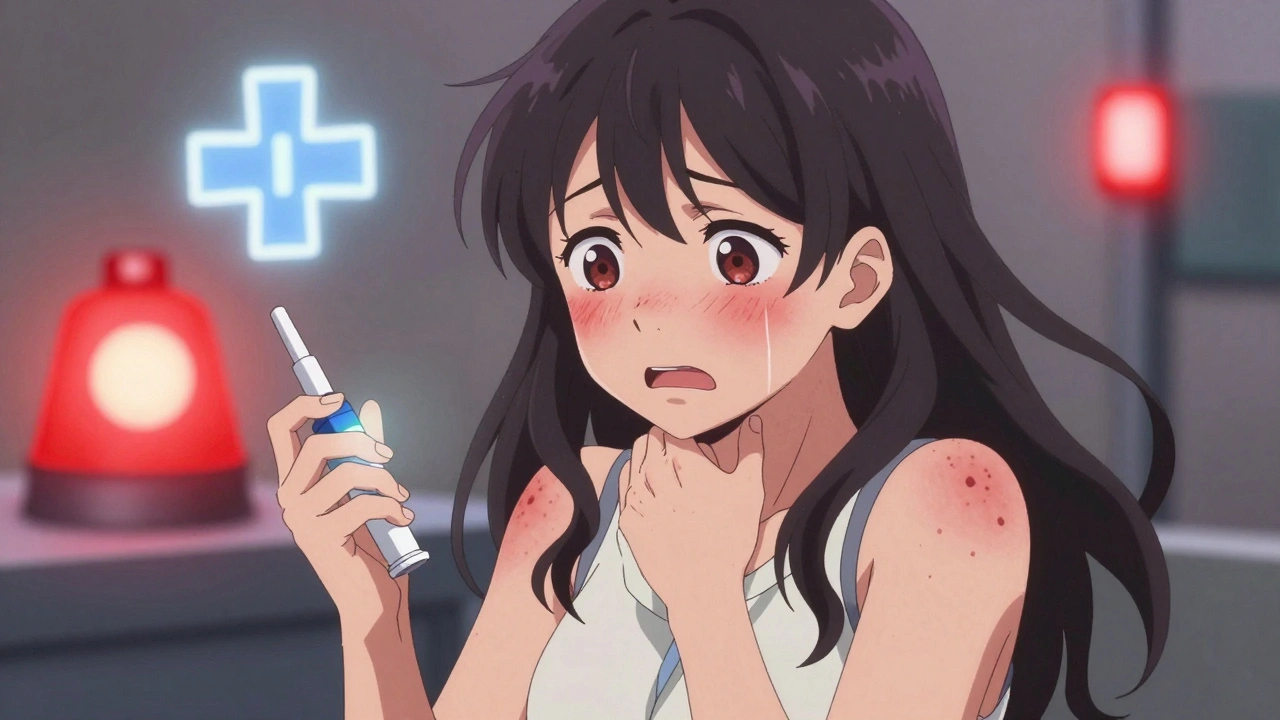
Severe drug reactions can be deadly. Know the warning signs-like trouble breathing, skin peeling, or swelling-and act fast. Epinephrine saves lives in anaphylaxis. Delaying help can cost you yours.

Discover how butenafine works to clear jock itch quickly, why it outperforms other antifungals, and practical tips for safe use.
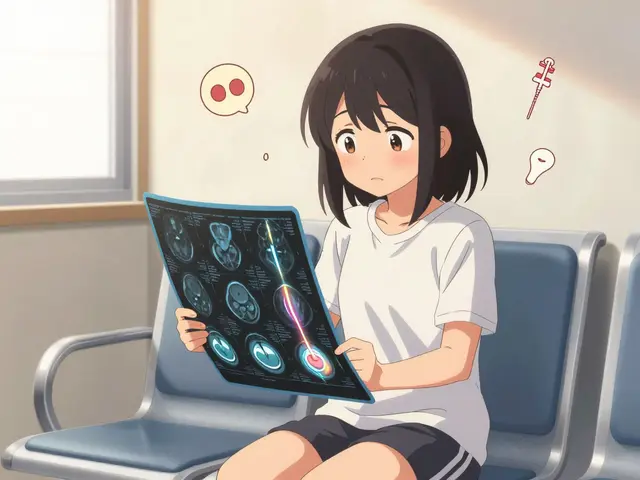
Hip labral tears are common in athletes and often missed on standard imaging. Learn how MRA and arthroscopy lead to accurate diagnosis, why conservative treatment sometimes fails, and what recovery really looks like after surgery.
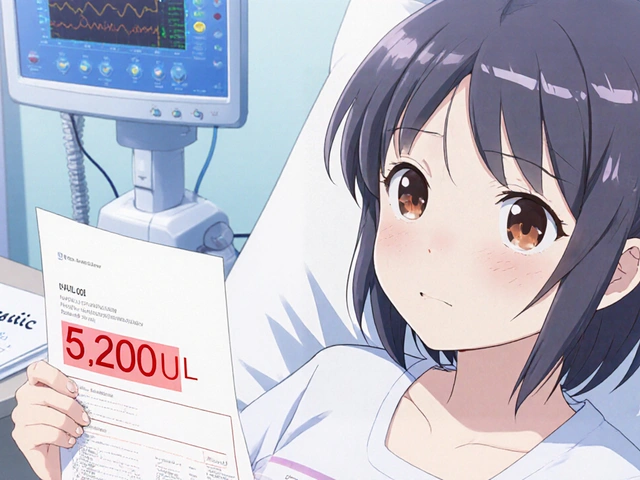
Daptomycin can cause serious muscle damage that often shows up without symptoms. Learn how to monitor CK levels, recognize warning signs, and prevent life-threatening complications during treatment.
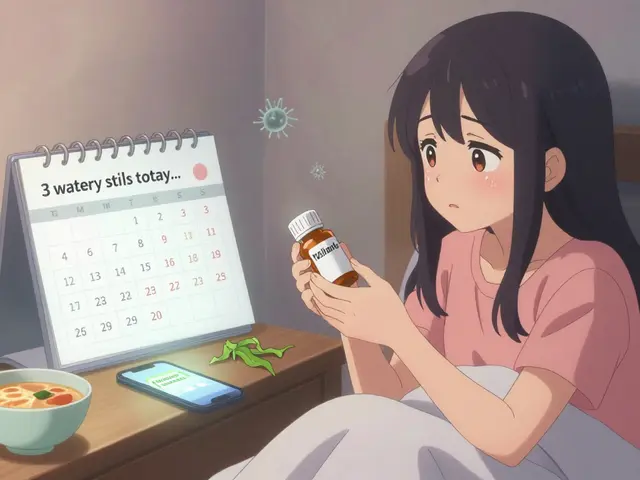
Clindamycin carries a high risk of triggering C. difficile infection, a potentially deadly gut condition. Learn the warning signs, when to seek urgent care, and why safer alternatives often exist.

Choline salicylate and lignocaine are transforming geriatric pain management by offering effective, non-opioid relief with minimal systemic risk. Ideal for arthritis and muscle pain in seniors, this topical combo avoids stomach and kidney side effects common with oral meds.