
When you flush old pills or wash off residue from your skin, you're adding to pharmaceutical pollution, the presence of active drug compounds in waterways from human use, manufacturing waste, and improper disposal. Also known as drug contamination, it’s not a distant problem—it’s in your tap water, your local stream, and even the fish you might eat. These aren’t trace amounts you can ignore. Studies show antidepressants, antibiotics, and birth control hormones are turning up in rivers across the U.S. and Europe, sometimes at levels that affect aquatic life.
One major consequence is antibiotic resistance, when bacteria evolve to survive exposure to drugs meant to kill them. This isn’t just about overuse in hospitals—it’s about low-dose antibiotics leaking from sewage into soil and water. Bacteria in rivers start adapting, and those resistant strains can spread back to humans through food or water. Another hidden threat is environmental pharmacy, the study of how pharmaceuticals behave outside the body and impact ecosystems. Hormones from birth control pills have been found to feminize male fish. Antidepressants make fish less cautious, more likely to get eaten. These aren’t lab theories—they’re real, documented changes happening right now.
Why does this matter to you? Because the same chemicals that treat your depression or infection are ending up in groundwater, and wastewater treatment plants aren’t built to remove them. Even if you never flush pills, your body excretes unmetabolized drugs. And when millions of people do this daily, the math adds up. You can’t filter it out with a Brita. You can’t avoid it by buying organic. This is systemic.
What you’ll find below isn’t just a list of articles—it’s a practical guide to understanding how drugs move through our bodies, our pipes, and our environment. You’ll learn why generic drug shortages are tied to overseas manufacturing pollution, how improper storage leads to more drugs ending up in landfills, and why some countries are already fixing this with take-back programs. You’ll see how the same systems that let you buy cheap meds online also make it easier for toxic waste to leak into rivers. This isn’t about guilt. It’s about awareness. And it’s about knowing which choices actually make a difference.
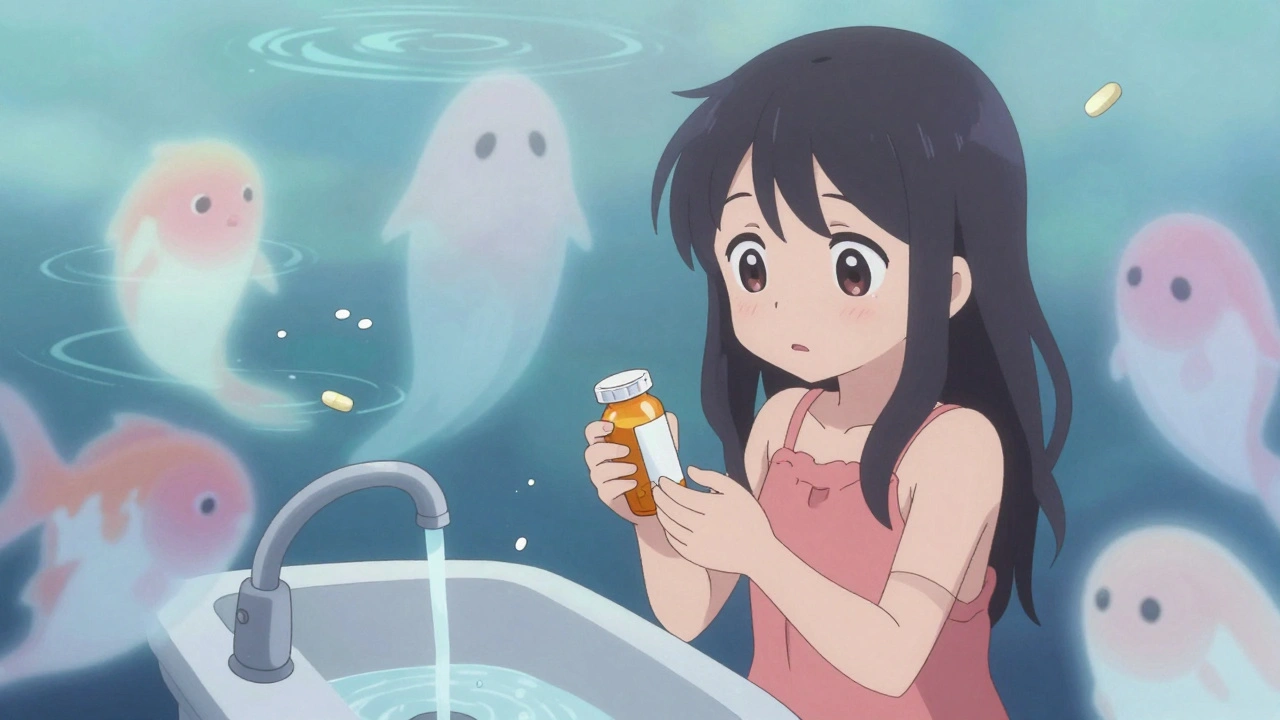
Flushing medications pollutes waterways and harms aquatic life. Learn why take-back programs are the safest disposal method, what medications should never be flushed, and how to properly dispose of old pills at home.
Learn how to speak up about medication side effects with clear steps, real tools, and proven strategies that help you communicate better with your doctor and avoid dangerous health risks.
Solifenacin, a drug mainly used for adult overactive bladder, is sometimes given to children and teens. This article breaks down how safe and effective solifenacin is for younger patients, what side effects families should watch for, and which situations make it a good option. Real-world advice, medical facts, and guidance for caregivers make this a must-read for anyone dealing with pediatric bladder problems.

I recently discovered the incredible benefits of Scurvy Grass, a dietary supplement that's truly a game changer. Packed with essential nutrients like vitamin C, iron, and calcium, it's a powerhouse for immune support and overall health. Not only does it help prevent scurvy, but it also aids in digestion, supports bone health, and has anti-inflammatory properties. I've been incorporating it into my daily routine, and I'm already noticing a difference in my well-being. If you're looking for an all-natural supplement to boost your health, I highly recommend giving Scurvy Grass a try!
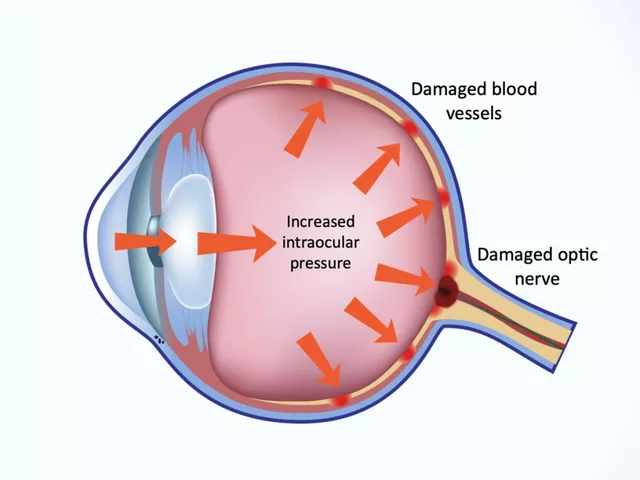
In a recent blog post, I discussed the link between high eye pressure and glaucoma, a potentially blinding eye disease. I learned that high eye pressure, also known as ocular hypertension, can damage the optic nerve and lead to glaucoma. It's important to have regular eye exams to detect any changes in eye pressure early on. While not everyone with high eye pressure will develop glaucoma, it is still a significant risk factor. Therefore, it's essential to be proactive in managing eye pressure and maintaining overall eye health.

Discover how pharmaceutical companies use 'authorized generics' to maintain market share and revenue after their drug patents expire.