When you're going through chemotherapy, your body isn't just fighting cancer-it's also fighting the side effects of treatment. Nausea can hit hard, making even the thought of food unbearable. At the same time, you might be losing weight without meaning to, and that’s dangerous. Losing muscle and calories during chemo doesn’t just make you feel weak-it can delay your treatment, increase your risk of infection, and lower your chances of recovery. The good news? What you eat matters more than ever, and there are clear, proven ways to eat better even when you feel awful.
Why Normal Diet Rules Don’t Apply During Chemotherapy
You’ve probably heard that eating healthy means cutting back on sugar, fat, and processed foods. That’s great for prevention-but during chemo, your body needs the opposite. Your metabolism changes. Your muscles break down faster. Your immune system is weakened. And your stomach becomes hypersensitive. The American Society for Parenteral and Enteral Nutrition (ASPEN) and the European Society for Clinical Nutrition and Metabolism (ESPEN) both agree: cancer patients need more calories and more protein than healthy people. In fact, you need 1.2 to 2.0 grams of protein per kilogram of body weight daily. That’s nearly double what a healthy adult needs. Calorie needs jump by 20-30%, too. If you’re trying to eat like you’re training for a marathon, you’re not eating enough. You’re eating like you’re trying to survive.
Beat Nausea With These 5 Food Tactics
Nausea is one of the most common and frustrating side effects of chemotherapy. About 63% of patients report it as a major problem. But it’s not hopeless. The key is to work with your body, not against it.
- Eat small meals, often. Instead of three big meals, aim for five to six small ones every 2-3 hours. Each should have 300-400 calories and at least 20-30 grams of protein. This keeps your stomach from getting too full, which triggers nausea.
- Drink between meals, not with them. Drinking liquids while eating fills your stomach too fast. Sip water, herbal tea, or ginger ale an hour before or after eating. This reduces bloating and helps you eat more.
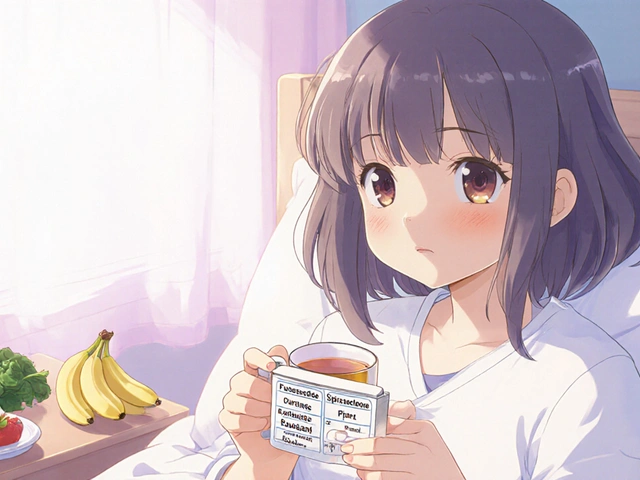
- Avoid strong smells. If the smell of cooking bacon or coffee makes you gag, skip it. Cold or room-temperature foods release fewer odors. Try chilled yogurt, applesauce, or watermelon. Many patients swear by frozen grapes-they’re refreshing, easy on the stomach, and help with mouth sores too.
- Ditch greasy, fried, or heavy foods. High-fat foods slow digestion and make nausea worse in 73% of patients. Stick to lean proteins like chicken, eggs, tofu, or cottage cheese. Use olive oil sparingly. Baked or steamed is better than fried.
- Try ginger. Ginger chews, ginger tea, or ginger capsules have been shown to reduce nausea in clinical trials. Patients on Cancer Survivors Network reported over 280 positive experiences with ginger chews. Keep a pack handy in your bag or by your bed.
Stop Weight Loss: Protein Is Your New Best Friend
Weight loss during chemo isn’t just about losing fat-it’s about losing muscle. That’s called muscle wasting, and it’s dangerous. Your body starts breaking down muscle to get energy when you’re not eating enough protein. That’s why you need 1.2-2.0 g/kg/day. If you weigh 70 kg (about 154 lbs), that’s 84-140 grams of protein every day.
How do you hit that number? Here’s how real people do it:
- Start your day with a protein shake: blend full-fat Greek yogurt, peanut butter, honey, and a banana. That’s 30+ grams of protein and 500+ calories.
- Snack on cheese sticks, hard-boiled eggs, or nut butter on crackers. Keep them visible on the counter-out of sight means out of mind.
- Add powdered milk or protein powder to soups, oatmeal, or mashed potatoes. It doesn’t change the taste much but adds grams fast.
- Make homemade smoothies with whole milk, avocado, and a scoop of whey protein. Avocado adds healthy fat and calories without heaviness.
- If you can’t eat solid food, try liquid nutrition like Ensure Plus or Boost Plus. They’re designed for cancer patients and pack 350+ calories and 13+ grams of protein per bottle.
On Reddit’s r/cancer community, 78% of people said protein shakes were essential. And 63% made their own with whole foods-not store-bought supplements. Why? Because they’re cheaper and taste better.

Food Safety Isn’t Optional-It’s Life-Saving
Chemotherapy weakens your immune system. That means your body can’t fight off foodborne bacteria like it used to. The risk isn’t just discomfort-it’s hospitalization.
- Never eat raw or undercooked meat, fish, or eggs. That includes sushi, rare steak, or runny yolks.
- Eggs must be cooked until the yolk hits 160°F (71°C). That means no homemade mayonnaise, Caesar dressing, or hollandaise.
- Wash all produce thoroughly-even if it’s labeled “pre-washed.”
- Use separate cutting boards for raw meat and ready-to-eat foods.
- Reheat leftovers to steaming hot (165°F). Don’t eat anything left out more than two hours.
These aren’t suggestions. They’re rules. The National Cancer Institute and Blood Cancer United both list them as critical for preventing infection.
What to Do When Nothing Tastes Right
Many patients say food tastes metallic, bitter, or just plain “off.” This is called dysgeusia. It’s common with platinum-based chemo like cisplatin. Here’s how to cope:
- Use plastic utensils instead of metal. It reduces the metallic taste.
- Rinse your mouth with baking soda water (1/2 tsp baking soda in 1 cup water) before eating.
- Try tart or sour flavors-lemon, lime, or pickled foods can reset your taste buds.
- Experiment with marinades. Vinegar, citrus, or soy sauce can mask off-flavors.
- If red meat tastes bad, switch to chicken, turkey, fish, eggs, beans, or tofu.
Real People, Real Results
People aren’t just following guidelines-they’re surviving because of them. On CancerCare’s forums, patients shared simple tricks that made a huge difference:
- Freezing grapes for mouth sore relief-89 people said it helped.
- Keeping pre-portioned snacks like trail mix or peanut butter crackers on the counter-77 people said it helped them eat more without thinking.
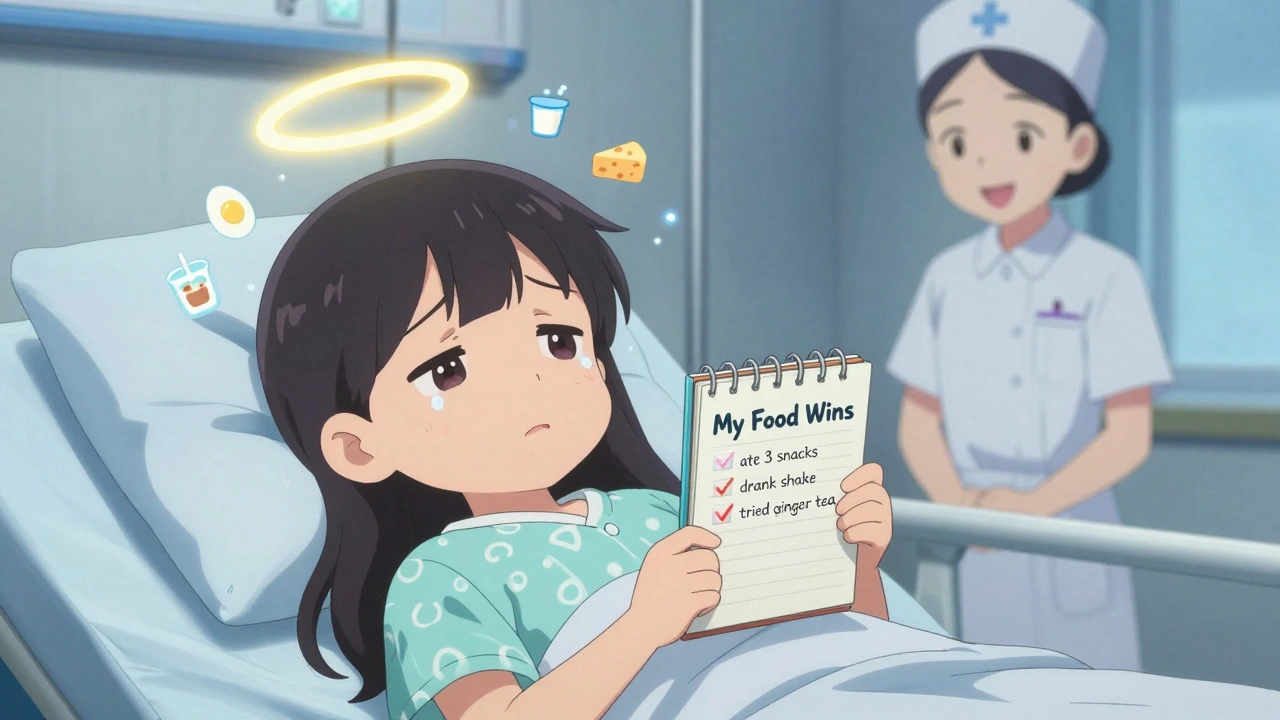
- Using a food journal to track calories and protein-patients who tracked ate 30% more than those who didn’t.
One woman in Ottawa, on chemo for breast cancer, started making protein smoothies every morning with whole milk, banana, peanut butter, and a scoop of whey. She added grated cheddar to her mashed potatoes. She didn’t lose a pound during six rounds of treatment. Her oncologist said it was the reason she didn’t need a delay.
When You Can’t Eat Enough-What Then?
Some patients still can’t get enough calories or protein, even with all the tricks. That’s when supplements or medical nutrition come in. Products like Juven (with HMB) or Ensure Plus are designed for cancer patients. They’re not “energy drinks”-they’re medical foods approved by the FDA for muscle wasting.
But cost is a barrier. A 12-pack of Ensure Plus runs $35-$45. That’s not affordable for everyone. That’s why homemade versions are so popular. A single smoothie with Greek yogurt, peanut butter, and honey costs less than $2 and gives you 400 calories and 30 grams of protein.
If you’re struggling, ask your oncology team about nutrition support services. The American Cancer Society’s 24/7 helpline fielded over 12,000 nutrition calls a month in 2023. Their “Road to Recovery” program connects patients with free or low-cost dietitians.
What Doesn’t Work
Don’t fall for these myths:
- “I should eat only organic.” Organic doesn’t mean safer or more nutritious during chemo. Wash everything, but don’t stress about labels.
- “I need to lose weight.” Weight loss during active treatment is harmful. Your goal is to maintain, not lose.
- “I’ll eat better after chemo.” Waiting until treatment ends means you’ve already lost muscle and strength. Nutrition isn’t a post-treatment project-it’s part of the treatment.
- “Vitamins will fix everything.” Supplements can’t replace food. You need real calories and protein from meals.
Final Thought: This Isn’t About Dieting-It’s About Survival
Chemotherapy is hard enough. Your body is under attack. Eating well isn’t about looking good or following trends. It’s about giving your body the fuel it needs to fight. The goal isn’t perfection. It’s consistency. Even if you only eat half of what you’re supposed to, do it often. Snack every few hours. Add peanut butter to everything. Drink protein shakes even if you’re not hungry. These aren’t tips-they’re lifelines.
And if you feel like giving up? Talk to someone. A dietitian who specializes in oncology nutrition can help you build a plan that fits your taste, your schedule, and your budget. You’re not alone. And you don’t have to eat like a health guru-you just have to eat enough to keep going.
Can I drink alcohol during chemotherapy?
It’s best to avoid alcohol during chemotherapy. Alcohol can irritate your mouth and throat, worsen dehydration, and interfere with how your liver processes chemo drugs. Some treatments, like methotrexate or 5-FU, become more toxic when mixed with alcohol. If you’re unsure, ask your oncologist or dietitian. A small glass of wine occasionally might be okay for some, but never assume-it’s not worth the risk.
What if I can’t afford protein shakes or supplements?
You don’t need expensive products. Homemade protein shakes with full-fat Greek yogurt, peanut butter, milk, and honey cost less than $2 per serving and provide 30+ grams of protein. Add cheese to pasta, eggs to rice, or nut butter to toast. These are cheap, effective, and real foods. Many community centers and cancer support groups offer free food bags or nutrition vouchers-ask your social worker.
Should I take omega-3 supplements?
Yes, if your doctor approves. EPA and DHA (types of omega-3s) have been shown in clinical trials to improve appetite and help maintain weight in cancer patients. The ESPEN 2023 guidelines recommend 1-2 grams per day. You can get this from fish oil capsules or by eating fatty fish like salmon twice a week. Avoid fish liver oil-it has too much vitamin A, which can be harmful in high doses.
How do I know if I’m eating enough?
Track your weight weekly. Losing more than 2 pounds in a week is a red flag. Also, monitor your energy. If you’re constantly tired, dizzy, or weak, you’re not getting enough fuel. Use a free app like MyFitnessPal to log calories and protein. Or keep a simple notebook: write down what you ate and how you felt. Share it with your dietitian. They can adjust your plan in real time.
Is it okay to eat sweets during chemotherapy?
Yes-especially if they help you eat more. Sugar isn’t the enemy here. If a spoonful of honey or a small piece of dark chocolate helps you swallow a protein shake or eat a few bites of chicken, do it. Your goal is to get calories and protein into your body. Once treatment ends, you can adjust. Right now, eating something is better than eating nothing.
When should I call my doctor about nutrition?
Call if you’ve lost more than 5% of your body weight since starting chemo, haven’t eaten for more than two days, can’t keep fluids down, or have severe mouth sores that make swallowing painful. These are signs you need help fast. Your care team can prescribe appetite stimulants, tube feeding, or IV nutrition if needed. Don’t wait until you’re too weak to speak.
Next steps: Talk to your oncology nurse or doctor about a referral to a registered dietitian who specializes in cancer care. If you’re in Canada, ask if your provincial health plan covers nutrition counseling. Most do. And if you’re feeling overwhelmed, start with one small change-like drinking a protein shake every morning. That’s enough to make a difference.