Taking a new prescription often comes with a long list of warnings. You might see a tiny print pamphlet listing everything from a dry mouth to rare heart issues, and it's easy to feel overwhelmed. But here is the reality: while most medications are safe, almost any drug can cause a reaction in some people. Knowing the difference between a "nuisance" side effect and a medical emergency can literally save your life.
Quick Summary: Managing Your Meds
- Common reactions: Nausea, dizziness, and drowsiness are the most frequent mild effects.
- Red flags: Swelling of the face, trouble breathing, or severe skin peeling require immediate ER visits.
- Risk factors: Age (65+) and taking multiple medications (polypharmacy) increase the risk of reactions.
- Action step: Always report persistent or severe effects to your doctor or through official channels like MedWatch.
What Exactly is a Side Effect?
In the medical world, these are called Adverse Drug Reactions (ADRs). An ADR is a noxious and unintended response to a medicine that occurs at doses normally used for treatment or prevention. It is not just a "bad reaction" but a specific pharmacological event.
Doctors usually split these into two main groups. First, there are Type A reactions. These are predictable and happen because of how the drug works. For example, if a drug slows your heart rate to treat blood pressure, a common "Type A" side effect might be feeling lightheaded. These make up about 75-80% of all reactions. Then there are Type B reactions. These are the wildcards. They are unpredictable and usually involve your immune system. An allergy to penicillin is a classic Type B reaction-it has nothing to do with the drug's intended purpose and everything to do with how your unique body reacts to it.
The Most Common "Annoying" Side Effects
Most of us have dealt with the "minor' side of the spectrum. These are effects that are bothersome but not life-threatening. Because many drugs pass through your gut, gastrointestinal issues are incredibly common. You might experience nausea, constipation, or diarrhea, especially with medications that touch the digestive lining.
Depending on what you are taking, the symptoms change. If you are using blood pressure meds like metoprolol, you might feel drowsy or notice some swelling. If you're on anti-anxiety meds like alprazolam, confusion and sleepiness are common. Even over-the-counter stuff isn't exempt; for instance, diphenhydramine (found in Benadryl) blocks acetylcholine, which is why it makes your mouth feel like a desert and your eyelids feel heavy.
| Medication Type | Common Examples | Frequent Side Effects |
|---|---|---|
| Heartburn/Reflux | Omeprazole, Esomeprazole | Headache, upset stomach, diarrhea |
| Blood Pressure | Metoprolol | Dizziness, swelling, lightheadedness |
| Anti-Anxiety | Alprazolam, Lorazepam | Drowsiness, confusion, fatigue |
| Pain Relievers (NSAIDs) | Naproxen | Stomach bleeding risk, swelling |
When a Side Effect Becomes an Emergency
This is the part you cannot ignore. While a headache is annoying, some reactions are catastrophic. A "serious" side effect is defined as anything that leads to hospitalization, permanent damage, or death.
The biggest red flag is anaphylaxis. This is a full-body allergic reaction. If your lips or tongue start swelling, you get a sudden rash, or you find it hard to breathe, stop the medication and get to an emergency room immediately. Other rare but severe reactions include Stevens-Johnson Syndrome (SJS). This starts as a flu-like feeling and turns into a widespread, peeling rash. In its most severe form, known as toxic epidermal necrolysis, the skin detaches much like a serious burn, which can lead to lung or kidney failure. There is also DRESS syndrome, which involves a rash combined with enlarged lymph nodes and liver injury.
Beyond the skin, keep an eye on your mental health and heart. Some drugs can trigger suicidal thoughts or abnormal heart rhythms. In extreme cases, the government issues a "black box warning"-the strongest warning a drug can have-before it's potentially pulled from the market entirely.

The Hidden Danger: Drug Interactions
Sometimes, a drug is perfectly safe on its own but becomes dangerous when mixed. This is where drug interactions come in. For example, mixing alcohol with narcotic painkillers is a recipe for disaster and can lead to accidental overdose and death. Even something as healthy as grapefruit juice can be a problem. Grapefruit contains compounds that affect how your liver processes certain blood pressure and cholesterol medicines, potentially driving the drug levels in your blood too high. This is why your pharmacist always asks for a full list of everything you're taking, including vitamins and supplements.
Who is Most at Risk?
Not everyone processes chemicals the same way. Your age, your kidney function, and your liver health all play a role. People aged 65 and older are significantly more likely to experience ADRs. Why? Usually, it's a mix of polypharmacy (taking five or more medications at once) and the fact that aging organs don't clear drugs from the system as quickly as they used to.
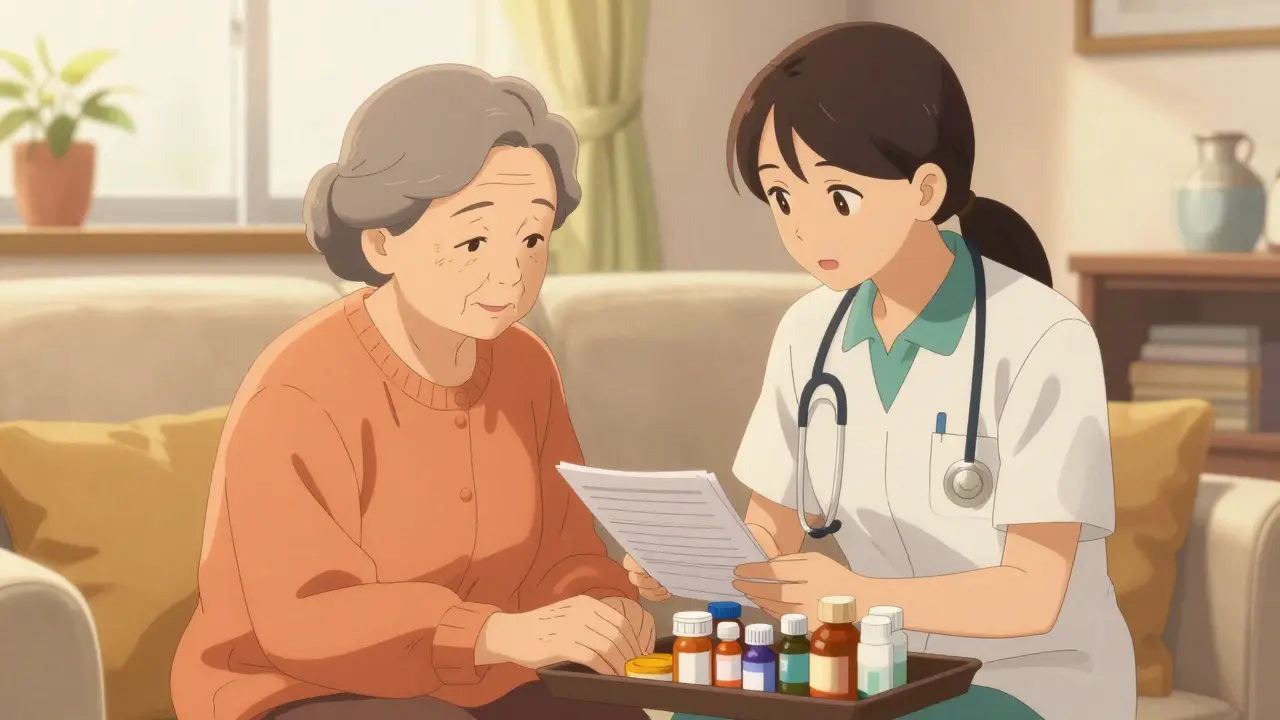
For seniors, certain meds like benzodiazepines are particularly risky because they increase the chance of falling or cause delirium. If you are caring for an older relative, keep a close eye on their balance and mental clarity after a medication change.
How to Report a Reaction
If you feel something is wrong, don't just stop taking your meds-that can be dangerous depending on the drug. Instead, talk to your doctor or nurse. If the effect is persistent, bothersome, or severe, it needs to be documented.
But doctors aren't the only place to report. In the U.S., the FDA's MedWatch program is the primary way to alert the government that a drug is causing issues. In the UK, the NHS uses the Yellow Card Scheme, and Europe has EudraVigilance. These systems are how the FDA finds out that a drug needs a new warning label or needs to be removed from the market. Unfortunately, many people don't report these, and it's estimated that less than 5% of ADRs are actually filed officially.
Special Case: Cancer Treatments
Chemotherapy and radiotherapy work differently than standard pills. They target fast-growing cells, which is why hair loss and nausea are so common. Hair loss is usually temporary, but the fatigue can be crushing. Radiotherapy side effects depend on where the beam is aimed. If it's the head or neck, you'll likely deal with a very dry mouth. If it's the pelvic area, patients often report a drop in sex drive or early menopause. These are predictable outcomes of the treatment's mechanism, but they still require careful management from a medical team.
Is every side effect dangerous?
No. Most side effects are "mild," meaning they are annoying but not harmful, such as a dry mouth or slight nausea. However, you should always tell your doctor about them, as they can sometimes be managed with a dosage change or by taking the medication at a different time of day.
What should I do if I suspect a serious allergic reaction?
If you experience swelling of the lips, tongue, or throat, difficulty breathing, or a sudden widespread rash, seek emergency medical help immediately. These are signs of anaphylaxis, which can be life-threatening if not treated quickly with epinephrine.
Can I stop my medication if the side effects are too much?
Never stop a prescribed medication abruptly without talking to your doctor. Some drugs, especially those for blood pressure or mental health, can cause dangerous withdrawal symptoms or a "rebound" effect if stopped suddenly. Your doctor can help you taper off or switch to an alternative.
Why do elderly people get more side effects?
As we age, our kidneys and liver become less efficient at breaking down and removing drugs from the body. This can cause medication to build up to higher levels in the blood. Additionally, seniors often take more medications simultaneously, increasing the chance of a drug-drug interaction.
How can I find out the known side effects of my drug?
The best start is the patient information leaflet that comes with your prescription. You can also use the National Library of Medicine's database or official government sites like the FDA's drug safety communications to see a comprehensive list of reported reactions.