The Quick Facts: What You Need to Know
- Identical Nature: They use the same active ingredients, shape, and manufacturing process as the brand name.
- Regulatory Shortcut: They don't need new clinical trials because the FDA already approved the original formula.
- Strategic Pricing: They are usually cheaper than the brand but slightly more expensive than "true" generics.
- Market Control: They help the original company capture a slice of the generic market before others can.
Why Manufacturers Play the Generic Game
When a patent expires, the floodgates open. Traditional generic companies rush in to offer the same drug at a fraction of the cost. To stop a total collapse in revenue, brand manufacturers use the authorized generics strategy to preserve their market share. By launching their own generic, the brand company can capture a significant portion of the budget-conscious market. For example, when AstraZeneca launched an authorized generic of Prilosec, they managed to grab about 30% of the total market for that drug within just six months. It is essentially a way to diversify their income: they keep the high-paying customers on the brand label and move the price-sensitive customers to their own generic label, rather than losing them to a competitor like Teva or Sandoz.The Secret Sauce: How They Actually Produce Them
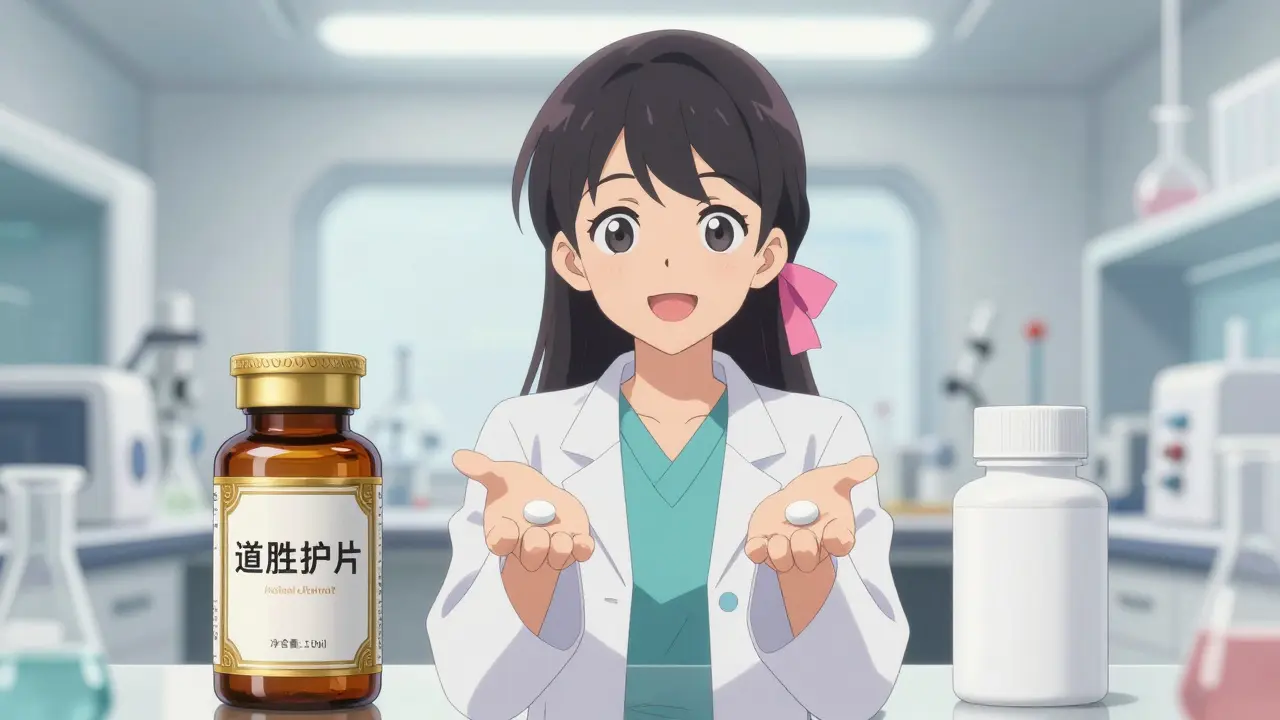
Producing an authorized generic is much simpler than starting a drug from scratch. Since the manufacturer already owns the factory, the recipe, and the FDA approval, they don't have to reinvent the wheel.The process primarily involves changing the "packaging" rather than the "product." To comply with trademark laws, they cannot use the brand's logo or colors on the generic version, but the pill inside remains identical. This gives them a massive speed advantage. While a traditional generic company might wait 17 months for an Abbreviated New Drug Application (ANDA) review, the original manufacturer can often get their authorized generic ready in 6 to 9 months.
| Feature | Authorized Generic | Traditional Generic |
|---|---|---|
| Manufacturer | Original Brand Company | Competing Pharma Firm |
| Formulation | Identical to Brand | Bioequivalent (Very Similar) |
| FDA Pathway | Leverages existing approval | Requires ANDA submission |
| Market Entry | Can launch immediately | Often faces 180-day delay |
| Price Point | Mid-tier (Below brand, above generic) | Lowest cost |
The Legal Loophole: The Hatch-Waxman Act
This whole strategy is possible thanks to the Hatch-Waxman Act of 1984. This law was designed to encourage generic competition to lower drug prices, but it also created the regulatory framework that allows brand companies to launch their own generics. One of the biggest advantages here is the "exclusivity period." Usually, the first traditional generic company to file a successful application gets 180 days of market exclusivity-meaning they are the only generic on the shelf. However, authorized generics can often bypass this window, allowing the brand manufacturer to enter the generic market at the exact same time as the competitors. This prevents any single generic company from gaining a monopoly on the low-cost version of the drug.The Price Game: Is it Actually Cheaper for You?
If you are a patient, you might wonder if an authorized generic is a good deal. The reality is a bit complicated. Brand companies use a "tiering" strategy. They position the authorized generic to be about 10-15% cheaper than the brand name, but 5-10% *more* expensive than the traditional generics. This creates a psychological win-win for the company. The patient feels they are saving money by switching from the brand, and the company still makes more profit per pill than they would if the patient switched to a traditional generic. Some patients actually prefer this. Data shows that around 71% of patients prefer authorized generics because they know it is the exact same pill they've used for years, providing a sense of reliability that a "copycat" generic might not offer.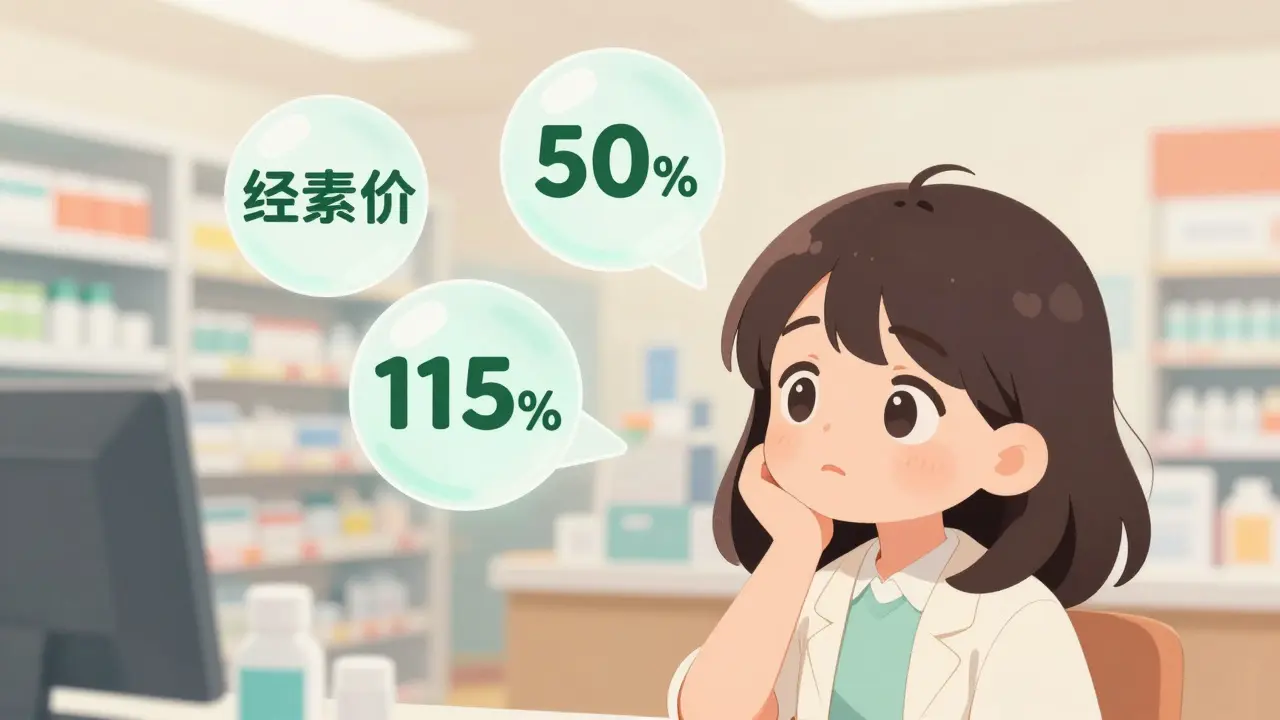
The Controversy: Helping Patients or Blocking Competition?
Not everyone thinks this is a fair move. The Federal Trade Commission (FTC) has stepped in several times, arguing that authorized generics are sometimes used to stifle competition. When a brand company floods the generic market with its own version, it can make the market less attractive for other generic firms, which ultimately keeps prices higher for everyone. For example, research from Harvard Medical School suggests that in markets with authorized generics, prices only dropped by about 32%, compared to a 68% drop in markets where only traditional generics were available. In short: the brand company is using the generic label to prevent the price from crashing too far.What's Next: The Move Toward Biologics
This strategy is now moving beyond simple pills. We are seeing the rise of "authorized biosimilars." Biologics are complex drugs made from living cells, which are much harder to copy than chemical drugs. Because the manufacturing process is so intricate, traditional competitors struggle to enter the market. This gives original manufacturers an even stronger grip on the lifecycle of these expensive treatments, with companies like Amgen already leading the way in this new frontier.Is an authorized generic the same as a brand-name drug?
Yes. Unlike traditional generics, which are bioequivalent copies, authorized generics are the exact same product manufactured in the same facility using the same ingredients. The only differences are the packaging and the label.
Why would a company sell a cheaper version of its own drug?
It is a defensive move. Once a patent expires, they will lose customers to generics anyway. By selling their own generic, they capture a portion of that budget market and prevent competitors from taking 100% of the generic share.
Do authorized generics require new FDA approval?
No, they do not require new clinical trials. Because they are identical to the already-approved brand-name drug, they can leverage the existing safety and efficacy data to enter the market quickly.
Are authorized generics cheaper than regular generics?
Usually not. They are typically priced lower than the brand-name version but slightly higher than traditional generics produced by other companies.
How can I tell if my medication is an authorized generic?
It can be difficult because they look like traditional generics. You can check the manufacturer listed on the packaging; if it is a subsidiary or the same company that makes the brand version, it is likely an authorized generic.