
Travel is exciting, but juggling prescriptions and health needs can be a headache. Pack smart, plan for hiccups, and you’ll reduce stress and stay healthier on your trip. These tips focus on real steps you can take before and during travel—no fluff, just useful actions.
Make a med list: write brand and generic names, dosages, and why you take each drug. Keep a printed copy and a photo on your phone. That helps pharmacists and doctors anywhere understand your needs fast.
Get extra supply. Ask your doctor for an extra 7–14 days of medication if your trip is long or unpredictable. Put at least a week's supply in your carry-on and another in checked luggage if you must. Don’t assume you can replace controlled meds easily abroad.
Carry a doctor’s note or prescription. For insulin, inhalers, needles, or controlled meds, a short letter that explains your treatment can speed security checks and customs. Keep it simple and signed by your prescriber.
Check laws and availability where you’re going. Some drugs that are common at home are illegal or tightly controlled in other countries. Look up local rules or call the embassy pharmacy info line before you leave.
Store meds correctly. Heat and humidity break down many drugs. Use an insulated pouch for insulin and other temperature-sensitive meds. Small gel packs or a travel fridge bag work for short trips—don’t forget a thermometer if you need exact temps.
Keep meds in original packaging when possible. Labels show dosage and your name, which helps with security and local pharmacy refills. If you use a pill organizer, keep one bottle labeled with a few pills in case you get questioned.
Plan dosing across time zones. If you fly across several zones, ask your pharmacist how to shift your dosing schedule safely. For many once-daily meds, take them at local bedtime; others need precise timing—get specific advice.
Buy meds carefully abroad or online. Use well-known, accredited pharmacies and check for clear contact info, pharmacist access, and valid licenses. Avoid sites that sell prescription meds without asking for a prescription.
Have a backup plan. Save the addresses and phone numbers of English-speaking clinics or pharmacies at your destination. Use telehealth services if you need a quick consult. Keep travel insurance details handy for medical claims.
Watch interactions with travel medicines and supplements. Motion-sickness pills, altitude meds, and over-the-counter sleep aids can interact with prescriptions. Ask a pharmacist before mixing anything new into your routine.
Finally, prepare for lost meds. If a bottle gets lost, contact your airline, local pharmacy, or embassy first. Bring electronic copies of prescriptions for quick reissue. A calm, documented approach usually gets you what you need.
Follow these travel tips and you’ll spend more time enjoying your trip and less time worrying about health logistics. Small prep goes a long way.
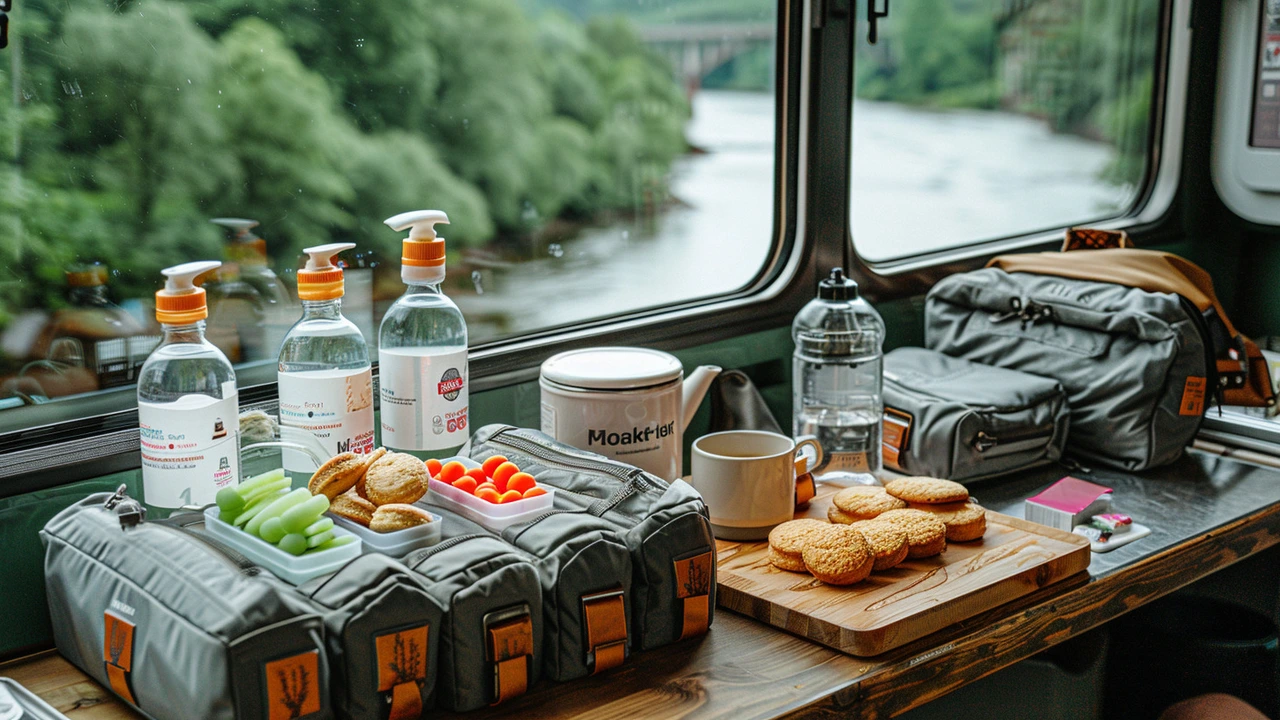
Traveling can be an exciting experience, but for many, it comes with unwanted nausea. This article discusses practical and easy-to-implement tips to manage nausea while traveling, including preventive measures, diet considerations, and effective remedies.

Ezetimibe and bempedoic acid offer effective, oral alternatives for people who can't tolerate statins. Both lower LDL cholesterol and reduce heart risks, with ezetimibe being affordable and bempedoic acid offering proven cardiovascular benefits.
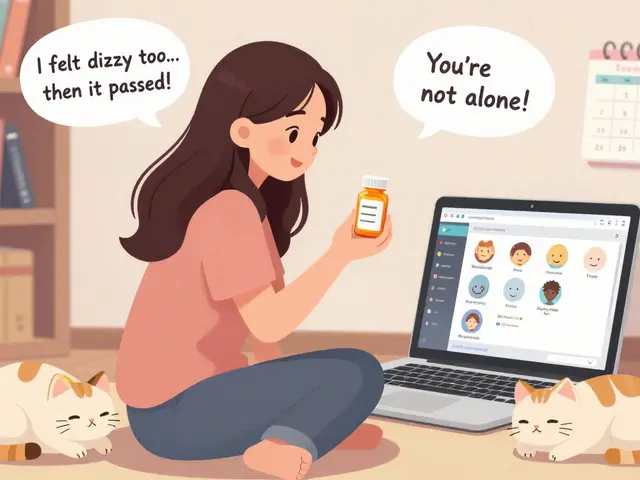
Patient support groups help people overcome fears about generic medications by sharing real experiences. Learn how these communities improve adherence, reduce costs, and build trust through peer stories backed by science.
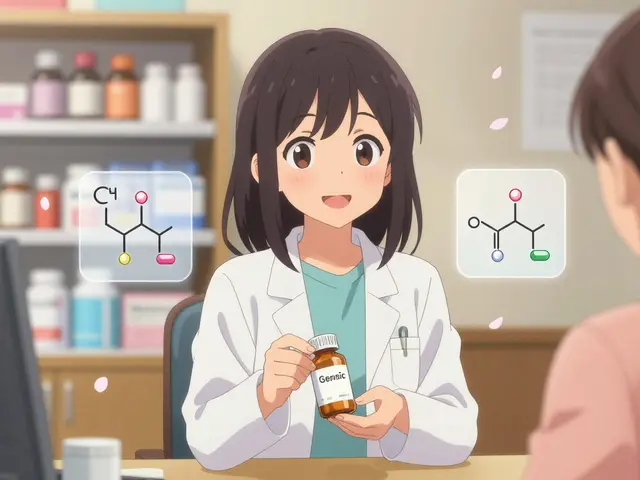
Generic drugs contain the same active ingredients as brand-name versions and carry the same risk of drug interactions. Scientific evidence and regulatory data confirm they are equally safe and effective.

As a blogger, I cannot stress enough the importance of diabetes research and advancements. These continuous efforts not only help in understanding this complex disease better, but also pave the way for newer, more effective treatment options. The ultimate goal is to improve the quality of life for millions of people affected by diabetes worldwide. Additionally, this research can potentially lead to a cure or prevention strategies, saving countless lives in the future. I truly believe that supporting diabetes research and advancements is our collective responsibility, as it can bring about significant positive change in the lives of those affected.
Discover the heightened bleeding dangers when combining aspirin with blood thinners. Learn risk multipliers for different organs, safe management strategies, and critical warning signs requiring urgent medical attention.