
High blood pressure is the single biggest driver of stroke risk. If your BP is high, everything else matters less until you get it under control. That’s why checking numbers and acting on them is the fastest way to lower your personal stroke risk.
Some risks you can’t change — age, family history, or past strokes. But many are in your hands. Treatable or changeable risks include: high blood pressure, atrial fibrillation, diabetes, smoking, high cholesterol, obesity, physical inactivity, heavy drinking, and untreated sleep apnea. Even short-term choices matter: smoking or heavy drinking raises your short-term risk for days or weeks.
Small wins add up. Losing 5–10% of body weight, cutting down salt, adding daily brisk walks, and quitting smoking lower blood pressure and improve cholesterol. If you have atrial fibrillation, medicines or procedures that reduce clots can dramatically cut stroke risk — ask your doctor about anticoagulation if AFib is diagnosed.
Know FAST: Face droop, Arm weakness, Speech trouble, Time to call emergency services. If any of those appear suddenly, call emergency services now. Other red flags include sudden trouble seeing, sudden severe headache with no known cause, sudden dizziness or trouble walking, and sudden numbness or confusion. Don’t wait to see if it gets better — brain tissue is lost every minute during a stroke.
Sometimes people get a brief stroke-like episode called a transient ischemic attack (TIA). Symptoms resolve quickly but are a clear warning. A TIA is a medical emergency too — it’s a chance to treat the cause before a full stroke happens.
Medical steps that reduce risk: control blood pressure (target depends on your doctor’s advice), use statins when you have high cholesterol or atherosclerosis, treat diabetes to keep A1C in target range, and use blood thinners when indicated for AFib. Don’t start or stop aspirin or other meds without talking to your clinician; aspirin for primary prevention is not right for everyone.
Practical daily tips: monitor blood pressure at home, keep a medication list, schedule regular checks for heart rhythm if you’re over 60 or have palpitations, get tested for sleep apnea if you snore and are tired, and aim for 150 minutes of moderate activity weekly. Swap sugary drinks for water, choose whole foods, and limit alcohol to one drink a day for women and two for men at most.
If you’re worried about stroke risk right now, book an appointment to check blood pressure, fasting glucose, and cholesterol. If you or someone else shows FAST signs, treat it like an emergency and call your local emergency number. Quick action saves brain and lives.
In my recent research, I've come to understand there's a significant link between cholesterol levels and stroke risk. High levels of LDL or 'bad' cholesterol can lead to a build-up in the arteries, reducing blood flow to the brain and potentially causing a stroke. On the contrary, HDL or 'good' cholesterol can help remove LDL from the bloodstream, reducing the risk. Therefore, maintaining a healthy balance of cholesterol is key in stroke prevention. I believe it's crucial to keep an eye on our cholesterol levels and make necessary lifestyle changes if needed.

Discover why quality sleep and purposeful rest are vital for cell lymphoma patients, with practical tips, fatigue management, and when to seek help.
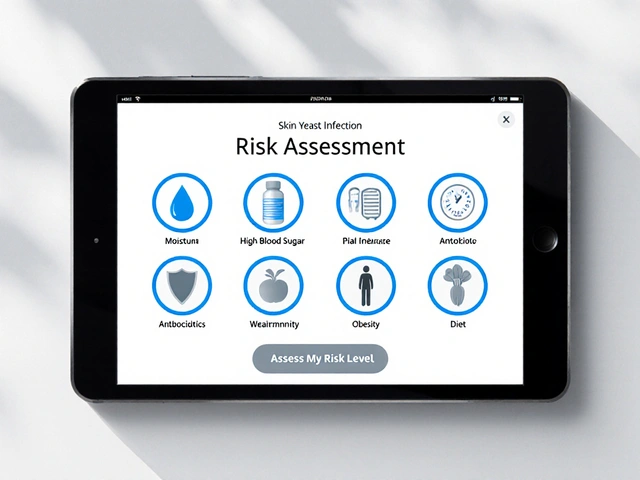
Learn practical steps to prevent skin yeast infections, from hygiene and clothing tips to diet and early detection, plus when to seek medical help.
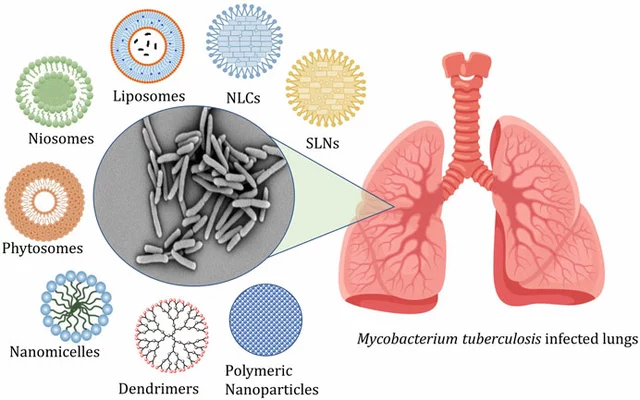
In my latest blog post, I discussed the crucial role of cycloserine in managing multidrug-resistant tuberculosis (MDR-TB). Cycloserine, an antibiotic, has become increasingly important in the treatment of MDR-TB, especially when other first-line medications are ineffective. This is because it targets the bacteria causing TB in a different way, thus overcoming resistance. However, it's essential to use cycloserine in combination with other antibiotics to ensure maximum effectiveness and minimize the risk of further resistance. Overall, cycloserine plays a vital role in the fight against MDR-TB, and ongoing research is crucial to optimize its use and develop new treatments.

Ezetimibe and bempedoic acid offer effective, oral alternatives for people who can't tolerate statins. Both lower LDL cholesterol and reduce heart risks, with ezetimibe being affordable and bempedoic acid offering proven cardiovascular benefits.

In my latest blog post, I discuss the importance of community outreach in promoting HIV awareness and prevention, with a focus on the antiretroviral drug Atazanavir. As a key player in the fight against HIV, Atazanavir has been proven effective in suppressing the virus and improving patients' quality of life. By educating our community about this medication, we can empower people living with HIV and help prevent the spread of the virus. Additionally, I explore various community outreach strategies and tools that can be implemented to raise awareness and encourage prevention. Join me in spreading the word to help create a healthier, more informed society.