
When you use steroid-induced dermatitis, a skin reaction caused by prolonged or improper use of topical corticosteroids. Also known as steroid rosacea or red skin syndrome, it often starts as a simple rash that gets worse the more you try to treat it. This isn’t an allergy—it’s your skin’s way of rebelling after being suppressed for too long. You might’ve used a cream for eczema, psoriasis, or even acne, thinking it was helping. But over weeks or months, the redness spreads, burns, flares up without trigger, and doesn’t respond to the same cream anymore. That’s steroid-induced dermatitis.
It’s closely tied to topical steroids, medicated creams and ointments that reduce inflammation by suppressing immune activity in the skin. Common ones include hydrocortisone, betamethasone, and clobetasol. They work fast, which is why people reach for them again and again. But the skin adapts. Blood vessels dilate. The protective barrier thins. Tiny hairs grow. The skin becomes dependent. When you stop, the inflammation comes back harder—that’s rebound flare, the hallmark of steroid-induced dermatitis.
Many people don’t realize they’re at risk until it’s advanced. You don’t need to be using strong prescription steroids. Even 1% hydrocortisone from the drugstore, used daily for months, can trigger it. Older adults, people with sensitive skin, and those treating facial rashes are especially vulnerable. The face, neck, and genital areas are most affected because the skin there is thinner and absorbs more. And here’s the catch: doctors rarely warn you about this. Most guides focus on how to use steroids, not how to stop them safely.
Recovery isn’t about finding a stronger cream. It’s about letting your skin heal on its own—with support. That means stopping the steroids completely (under guidance), using gentle cleansers, avoiding hot water, and protecting your skin from sun and irritants. Moisturizers with ceramides help rebuild the barrier. Some find relief with colloidal oatmeal or diluted vinegar rinses. But there’s no quick fix. Healing takes weeks to months. Patience is the real treatment.
What you’ll find in these posts aren’t miracle cures or untested home remedies. They’re clear, evidence-based guides on how to recognize the early signs, avoid common mistakes, and manage the recovery process without falling back into the steroid cycle. You’ll learn how steroid withdrawal, the period after stopping topical steroids when symptoms temporarily worsen works, how to tell it apart from infection or allergy, and why some treatments make it worse. You’ll also see how skin barrier repair, the process of restoring the skin’s natural protective layer after steroid damage is done right—with ingredients that actually work, not just hype.
This isn’t just about stopping a cream. It’s about reclaiming your skin’s natural balance. The articles below give you the facts—no fluff, no fearmongering—so you know exactly what to do next.
Perioral dermatitis is a stubborn facial rash often triggered by steroids, moisturizers, and toothpaste. Learn the real causes, what to avoid, and how to rebuild your skin with a gentle, evidence-based routine.
Learn how to set up a simple, effective system to track medication costs and get automatic refill alerts-without expensive tools or complex software. Save money and avoid dangerous gaps in treatment.
Generic drugs make up 90% of prescriptions but only 20% of spending - and that’s why they’re disappearing. Cheap prices, foreign factories, and broken incentives are causing critical drug shortages affecting millions.

Learn step‑by‑step how to purchase cheap generic tetracycline online, spot safe pharmacies, compare prices, and avoid counterfeit risks.
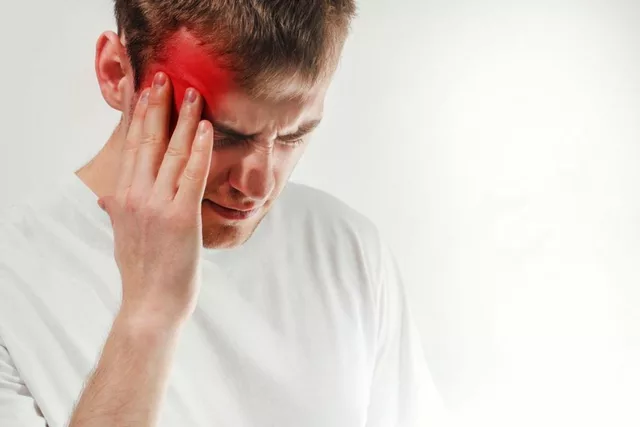
As a migraine sufferer, I was intrigued to learn about the potential connection between Losartan and migraine prevention. Losartan, typically used to treat high blood pressure, has shown promise in reducing the frequency and severity of migraine headaches. This medication works by blocking a substance in the body that causes blood vessels to constrict, which is known to trigger migraines. While more research is needed, Losartan could potentially offer relief for those struggling with chronic migraines. As always, it's essential to consult with a medical professional before trying any new treatments.
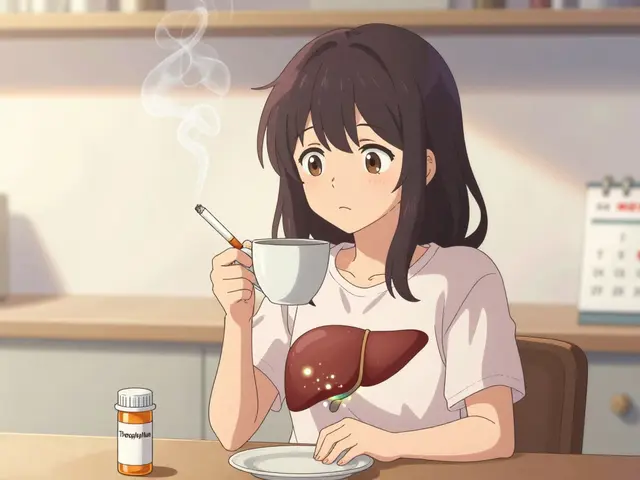
Smoking can drastically alter how your body processes medications, especially those metabolized by CYP1A2. This hidden enzyme effect can cause treatment failure or dangerous toxicity - especially after quitting. Learn which drugs are affected and what to do.