
When you pick up a prescription, you’re not just dealing with your doctor or pharmacy—you’re navigating state pharmacy laws, local rules that control how medications are dispensed, stored, and tracked across the U.S.. These laws aren’t the same everywhere. What’s allowed in California might be illegal in Texas, and a refill rule in New York could be completely different from one in Florida. These aren’t just paperwork details—they directly impact whether you get your meds on time, how your painkillers are handled, and even if you can buy naloxone without a prescription.
State boards of pharmacy, the agencies that enforce these rules in each state set limits on who can dispense drugs, how long prescriptions are valid, and which medications require extra documentation. For example, some states let pharmacists prescribe certain birth control pills or diabetes tests, while others require a doctor’s signature every time. Then there’s controlled substances, drugs like opioids, benzodiazepines, and stimulants that have strict federal and state tracking systems. These are logged in real-time through prescription drug monitoring programs (PDMPs), and pharmacies can’t refill them without checking the database first. That’s why you sometimes get turned away—even if your doctor says it’s okay.
These rules also affect how you store meds at home. If you live with roommates or kids, some states require locked cabinets for controlled substances. Others mandate that pharmacies provide child-resistant packaging for certain drugs, even generics. And if you’re a veteran on VA benefits, your access to generics might be shaped by both federal policy and your state’s pharmacy contract rules. Even online orders aren’t free from state control—some states ban out-of-state pharmacies from shipping certain meds unless they’re licensed locally.
You won’t find a single national rulebook for pharmacy practice. That’s why a pill that’s easy to refill in one state can trigger a red flag in another. The state pharmacy laws you live under determine how fast you get refills, whether your pharmacist can substitute generics without calling your doctor, and even if you can legally share a prescription with a family member. These aren’t abstract policies—they’re the invisible hand behind every prescription you fill.
Below, you’ll find real-world examples of how these laws show up in everyday medication use—from how VA formularies interact with state rules, to why counterfeit drugs are harder to track in some regions, to how pharmacist advice can help you stay compliant without breaking the law. These aren’t theoretical debates. They’re the practical realities that affect your health every time you walk into a pharmacy.
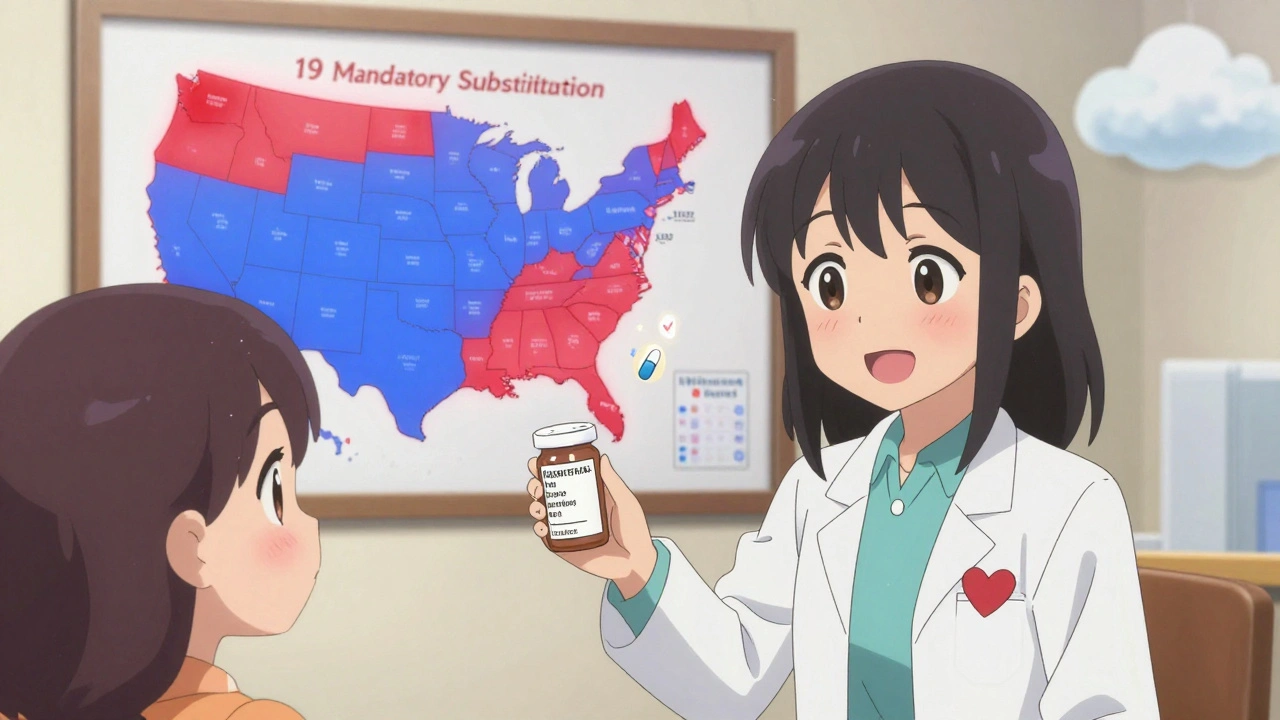
State laws determine whether pharmacists must or can switch your brand-name prescription to a cheaper generic. These rules affect your costs, safety, and access-and vary widely across the U.S.

Fluticasone nasal spray and oral steroids both reduce inflammation, but they work very differently. Learn why nasal spray is safer for allergies and when oral steroids are actually needed.

Discover how butenafine works to clear jock itch quickly, why it outperforms other antifungals, and practical tips for safe use.
In my latest blog post, I explored the role of nutrition in managing hyperprolactinaemia, a condition where there is an excess of prolactin hormone in the blood. Through my research, I discovered that certain dietary changes, such as reducing refined sugar and processed food intake, can help maintain hormonal balance. Additionally, incorporating foods rich in Vitamin B6, zinc, and magnesium can aid in managing symptoms. I also highlighted the importance of a balanced diet and regular exercise in overall hormone regulation. Don't miss out on these valuable tips and insights to help manage hyperprolactinaemia through proper nutrition!
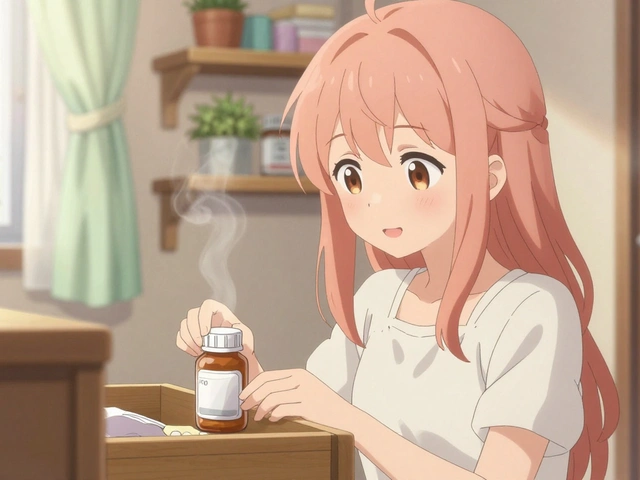
Learn how to stop moisture from ruining your pills and capsules with simple storage tips, desiccant use, and packaging advice backed by pharmaceutical research. Protect your meds and ensure they work when you need them.

Metformin extended-release (XR) reduces gastrointestinal side effects like diarrhea and nausea compared to immediate-release (IR) in most patients. Learn how the two forms differ, what the data shows, and which one may be right for you.