
When you pick up a prescription, the pharmaceutical packaging, the container and labeling system designed to protect, identify, and deliver medication safely to patients. Also known as drug packaging, it's not just a box or bottle—it's the first line of defense against contamination, misuse, and counterfeit drugs. Think about it: if the packaging fails, the medicine inside might not work—or worse, it could hurt you. That’s why everything from the child-resistant cap to the tamper-evident seal matters more than you think.
Drug authenticity, the assurance that a medication is genuine and hasn’t been altered or replaced with fake ingredients, depends entirely on how well the packaging is designed and verified. Systems like the EU’s FMD and the U.S. DSCSA use unique codes on each package to track drugs from factory to pharmacy. Without these, you could be taking pills that look right but contain no active ingredient—or worse, toxic substances. Medication storage, how and where you keep your drugs at home also ties directly into packaging. A bottle that’s light-sensitive needs to stay in its original dark container. A medicine that must be refrigerated won’t work if you transfer it to a random jar. Even something as simple as a poorly labeled pill can lead to dangerous mistakes, especially for older adults or people taking multiple drugs.
Pharmaceutical packaging also shapes how you take your medicine. Child-resistant caps prevent accidents. Blister packs help you track doses. Smart packaging with reminders or sensors is starting to appear for chronic conditions. But none of this works if the packaging is damaged, reused, or poorly designed. And here’s the hard truth: counterfeit drugs, fake medications sold as real, often with dangerous substitutes are growing in number—and they almost always come in packaging that looks real but lacks the security features you can verify. That’s why knowing how to spot a fake package isn’t just helpful—it’s life-saving.
What you’ll find below are real stories and practical guides about how packaging affects everything from your safety to your wallet. From how VA formularies rely on generic packaging to cut costs, to why the same pill costs ten times more in one country because of how it’s labeled and sealed, to how storing meds in shared homes requires smart packaging choices—every post here connects back to one simple idea: packaging isn’t just packaging. It’s part of your treatment. And if you don’t understand it, you’re leaving your health to chance.
Learn how to identify authorized generics by checking packaging, NDC codes, and labeling. Understand why they're identical to brand drugs but cheaper, and how to confirm you're getting the real thing.

Discover why quality sleep and purposeful rest are vital for cell lymphoma patients, with practical tips, fatigue management, and when to seek help.

Practical guide to using exercise to protect your liver with chronic hepatitis B-safe intensity, weekly plans, red flags, and what the science actually says.

Learn about common and serious side effects of pancrelipase, how to manage them, and when to seek medical help. Essential info for anyone on enzyme replacement therapy.
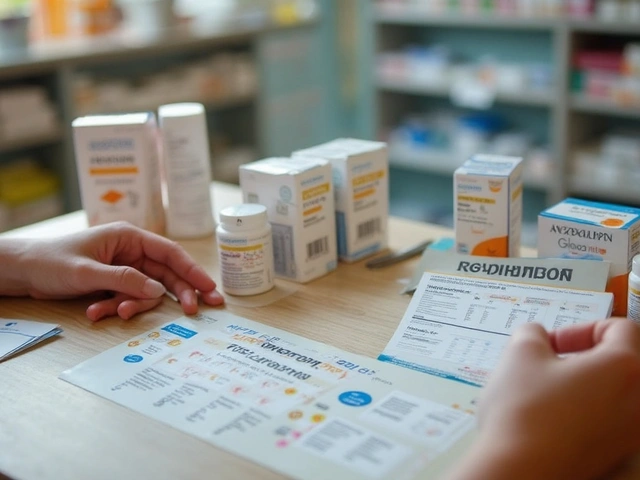
Curious which over-the-counter options stack up against amoxicillin? This article explores 10 OTC antibiotics or drugstore products with similar effects, comparing their efficacy and use. You’ll find interesting facts, tips on choosing the right alternative, and practical stats, all structured for clarity. Get ready for an in-depth, honest look at how drugstore meds measure up to this popular prescription antibiotic. From hidden risks to smart ways to shop, this guide covers what you need before making a decision.

A clear, evidence‑based comparison of Hoodia's oxypregnane, steroidal and glycoside forms versus top weight‑loss alternatives, covering mechanisms, safety, cost, and best‑use tips.