
Worried about your child's development, headaches, weird movements or bladder problems? Those can be neurological — not just behavior. Pediatric neurology focuses on the brain, nerves, muscles, and development in children. This page gives clear, practical steps so you know what to watch for and what to do next.
Common issues a pediatric neurologist treats include seizures and epilepsy, developmental delays, headaches and migraines, muscle weakness or tone problems, movement disorders (like tics), and some bladder or bowel control concerns. If a symptom affects learning, daily activities, sleep, or safety, it's worth checking out.
Make an appointment if your child has any of these: repeated or prolonged seizures; sudden changes in behavior or speech; unclear developmental delays (walking, talking, social skills); persistent or worsening headaches; unexplained muscle weakness or frequent falls; or new loss of bladder control after it was already established. Also see a specialist if tests from your pediatrician (like basic labs or hearing/vision screens) don’t explain the problem.
Bring notes. A short diary of symptoms, videos of spells or movements, school reports, and a full medication list make the first visit faster and more useful. If your child is on medication already, note dose, time taken, and any side effects.
Common tests include EEG (for seizures), MRI (for brain structure), and nerve studies for muscle problems. Many conditions are managed with a mix of medicine, therapy (speech, physical, occupational), and school supports. Some kids need surgery, but that’s a small minority and usually well-explained by the team.
Medication safety matters. Pediatric dosing is weight-based and different from adults. Ask directly: why this drug, expected benefits, main side effects, how we’ll monitor, and what to do in an emergency. If a medicine is used off-label for kids (that happens), ask for the evidence and follow-up plan. Keep a single up-to-date medication list and share it with every provider.
Seizure first aid: stay calm, protect your child from injury, time the event, place them on their side when possible, and don’t put anything in their mouth. Call emergency services if a seizure lasts more than 5 minutes, if breathing doesn’t return promptly, or if a second seizure follows right away.
Practical tips: get a written action plan for school or daycare, train caregivers in seizure response and medication timing, keep a journal of symptoms, and ask about drug interactions when new meds are added. If you’re ordering meds online, use pharmacies that require a prescription and have clear contact info — and always verify dosing with your child’s prescriber.
Want deeper reads? We have articles on solifenacin in children, seizure medicines like lamotrigine, and alternatives to drugs such as gabapentin. Browse the pediatric neurology tag for clear guides that help you ask the right questions at the right time.

Hey there awesome parents! Managing spasms in kiddos can be as tricky as solving a Rubik's cube blindfolded, am I right? But don't fret, there are ways to ease those twitching tiny muscles. First off, keeping your child hydrated is as crucial as keeping your plant watered - you don't want either to wither, right? Also, regular stretches are like the secret ingredient in Grandma's pie, they can work wonders! So, next time your little one starts twitching like a breakdancer, remember these tips and know that you've got this under control!
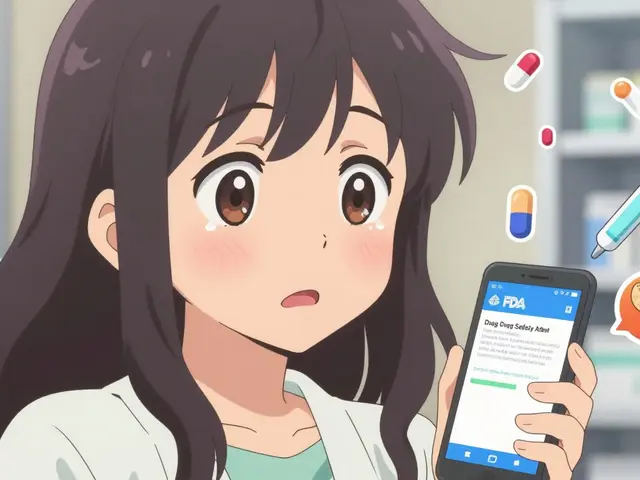
Learn how to subscribe to free FDA drug safety alerts for recalls, medication risks, and urgent health warnings. Get timely updates on drugs, devices, and allergens - and protect yourself or your patients before it’s too late.

Learn how the Poison Control Hotline (1-800-222-1222) works and exactly what information to report during a medication overdose to save lives and avoid unnecessary ER visits.

As a regular customer of exact-pharma.com myself, I've been extremely satisfied with their services. The convenience and efficiency of this online pharmacy have been absolutely fantastic. Also, the range of medication they offer, and the speed with which they deliver, have left me more than pleased. This article is a testimonial I'm sharing, based on my own positive experiences with exact-pharma.com and to express my gratitude towards them.
I recently came across a study discussing the effectiveness of Minocycline for sinus infections. It turns out, this antibiotic has shown promising results in treating both acute and chronic sinusitis. The study suggests that Minocycline may reduce inflammation and bacterial growth in the sinuses, providing relief for those suffering from sinus infections. However, it's important to consult with your doctor before using this medication, as it may not be suitable for everyone. So, if you're struggling with a sinus infection, Minocycline might be worth looking into as a potential treatment option.

Sudden shortness of breath could be a sign of pulmonary embolism - a life-threatening blood clot in the lungs. Learn the key symptoms, how doctors diagnose it, and why acting fast saves lives.