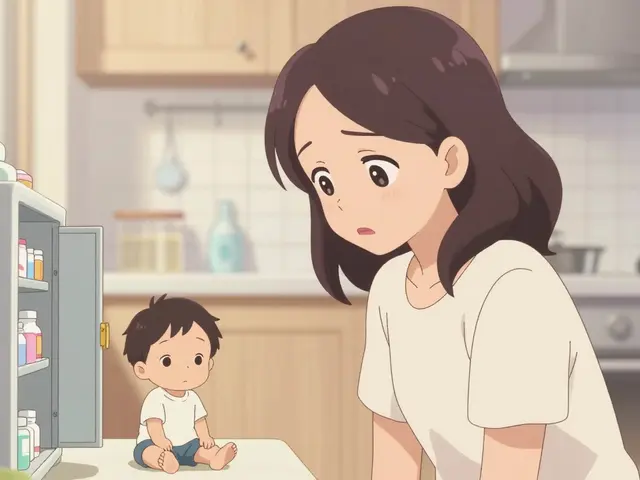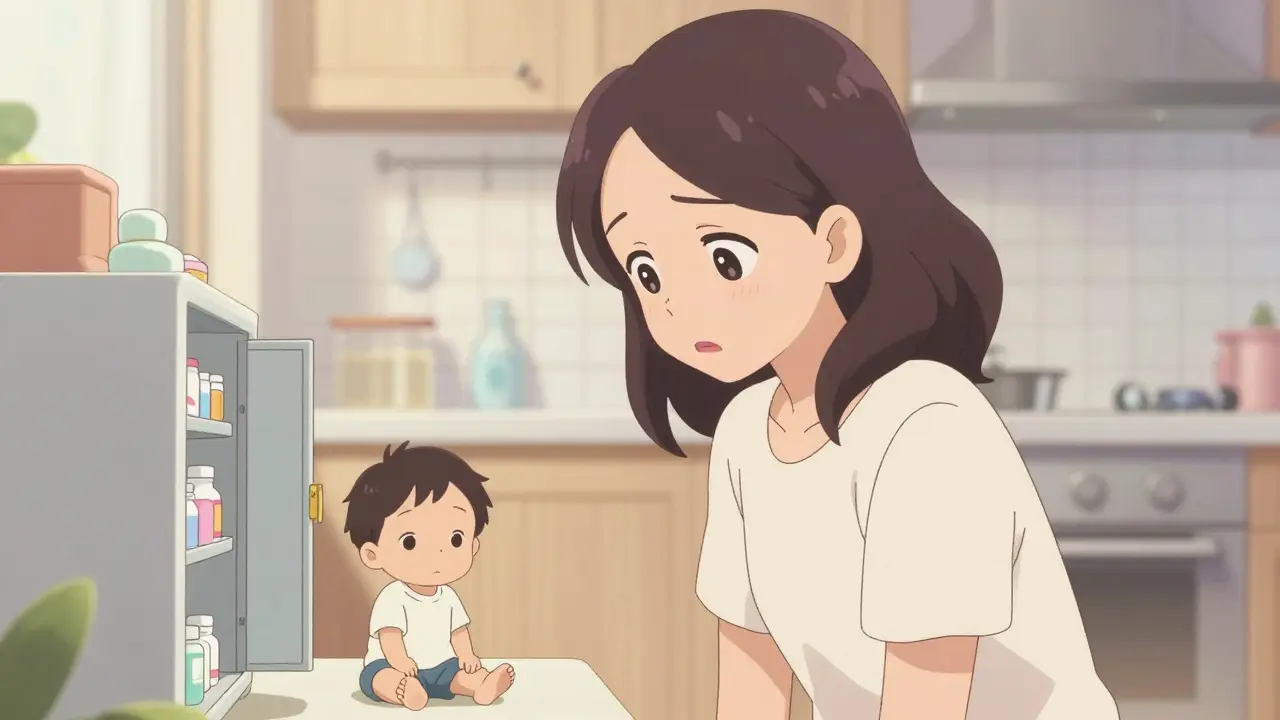
Imagine you're cleaning out a medicine cabinet or watching a toddler play, and suddenly you realize a handful of pills are missing. Your heart sinks, and panic sets in. Do you rush to the ER, or is it not that serious? This is where the Poison Control Hotline is a nationwide public health service providing immediate, expert medical advice for potential poison exposures. It isn't just for "poison" in the traditional sense-it's a critical tool for overdose prevention and medication mishaps, designed to tell you exactly what to do in the first few critical minutes.
Key Takeaways for Immediate Action
- The Number: Call 1-800-222-1222 (available 24/7/365).
- Digital Options: Text "poison" to 797979 or use poisonhelp.org.
- Cost: The service is completely free and confidential.
- Goal: To determine if you need a hospital or if you can safely manage the situation at home.
How the Hotline Actually Works
When you dial the national number, you aren't just hitting a generic call center. The system automatically routes your call to the nearest of 53 accredited centers based on your area code. This ensures that if you do need to go to the hospital, the specialists can coordinate with local doctors who know your area.
The people answering the phone aren't just operators. They are Specialists in Poison Information (SPIs)-typically registered nurses, pharmacists, or physicians with advanced toxicology training. They use over 1,500 evidence-based algorithms to assess risk. Instead of guessing, they follow a scientific decision tree to determine if the amount of medication ingested is toxic based on the patient's weight and the drug's specific properties.
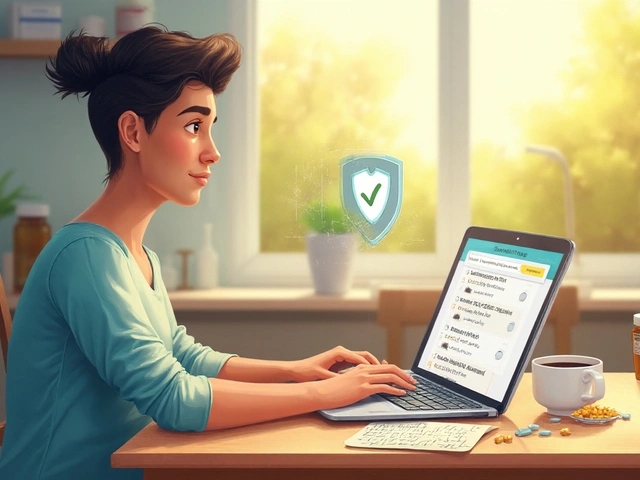
For many, the online tool webPOISONCONTROL is a faster route. It uses a similar algorithmic process, allowing users to input data and get a recommendation in about two and a half minutes. However, if someone is unconscious, having a seizure, or the case involves an intentional overdose, the phone line is the only safe option.
What to Report About Medications
To get an accurate answer, you need to be specific. Saying "my kid took some Tylenol" isn't enough because "Tylenol" could be a 325mg tablet or a 500mg Extra Strength version. The difference in dose can be the difference between a "stay at home" instruction and an emergency room visit.
When you call, have the medication bottle in your hand and be ready to provide these five critical data points:
- Exact Product Name: Provide the brand and generic name (e.g., "Tylenol Extra Strength, 500mg per tablet").
- The Amount: How many pills are missing? How many milligrams were in each? Be as precise as possible.
- Timing: What time did the ingestion happen? (e.g., "Approximately 3:15 PM").
- Patient Details: The age of the person and their weight in kilograms. Weight is vital because toxicity is often calculated per kilogram of body mass.
- Current Symptoms: Is there nausea, vomiting, or drowsiness? Note the exact time these symptoms started.
Specialists will also ask about polypharmacy-which is just a fancy way of saying "taking multiple drugs." About 32% of serious medication outcomes happen because two or more drugs interacted poorly. If the person took a prescription med with an over-the-counter sleep aid, tell the specialist immediately.
| Method | Best For... | Average Speed | Key Limitation |
|---|---|---|---|
| Phone (1-800-222-1222) | Intentional overdoses, severe symptoms, complex cases | Immediate connection | Can have hold times during peak surges |
| Text (797979) | Quick questions, non-urgent clarifications | Fast | Not suitable for critical emergencies |
| Online (poisonhelp.org) | Accidental ingestions, simple medication lookups | ~2.6 minutes | No intentional overdose or multi-substance cases |
The Risk Assessment Process
Once the specialist has your data, they evaluate the "therapeutic index" of the drug. This is basically the gap between a dose that helps you and a dose that hurts you. Some medications have a wide window, meaning a few extra pills might cause some nausea but no permanent damage. Others, like certain cardiovascular medications or opioids, have a very narrow window where a small mistake leads to a crisis.
If the risk is low, they'll give you home management instructions. For example, they might tell you to monitor for specific symptoms over the next few hours. If the risk is high, they'll tell you to go to the ER and may even call the hospital ahead of time to tell the doctors exactly what was taken and what treatment (like N-acetylcysteine for acetaminophen) is needed.
For substances that act slowly, they'll set up a callback schedule. With acetaminophen, for instance, they often check in at 4, 8, and 24 hours. This is because liver toxicity doesn't always show up immediately; the danger can sneak up on you after the initial panic has faded.
Why This System Matters More Than the ER
You might wonder why you shouldn't just drive straight to the hospital. First, it saves an incredible amount of money. Research shows that poison control recommendations save the U.S. healthcare system about $1.8 billion every year by preventing unnecessary ER visits. For every dollar spent on these centers, society gets over seven dollars back in savings and productivity.
More importantly, it prevents the "ER bottleneck." When thousands of people go to the emergency room for minor medication mishaps that could be handled at home, the doctors can't focus on the patients who are truly crashing. By filtering out the low-risk cases, the hotline ensures that hospital resources go where they are needed most.
The accuracy is also impressively high. The online tool's recommendations match human specialists about 97.3% of the time. Whether you're talking to a person or using the app, you're getting guidance based on the National Poison Data System (NPDS), which is the most complete surveillance database of poisoning cases in the country.
Common Scenarios and Success Stories
The most common calls involve children. About 47% of cases are pediatric accidental ingestions. In 83% of those cases, specialists are able to prevent an ER visit simply by guiding the parent through home care. It turns a potential tragedy into a stressful but manageable afternoon.
Then there are the "silent" dangers. Many people don't realize that common over-the-counter meds can be deadly in high doses. There are documented cases where pharmacists have used the hotline to catch a window for treatment-like administering a specific antidote within 8 hours-that literally saved a child from total liver failure.
The service also tracks new threats. Since 2015, they've identified 17 new medication-related dangers, including issues with new weight-loss medications and synthetic cannabinoids. Because they see the data in real-time across all 53 centers, they spot trends far faster than a single doctor at a local clinic ever could.
Is the Poison Control Hotline really free?
Yes, it is 100% free. It is funded through government appropriations, hospital subsidies, and state grants. You will never receive a bill for calling 1-800-222-1222 or using the online tool.
What if I don't have the medication bottle?
Do your best to describe the pill's color, shape, and any imprinted letters or numbers. If you can, take a photo of the pill or the packaging. The specialists have databases that can often identify a medication based on its physical appearance.
Do I have to give my name or address?
The service is confidential. While they may ask for your zip code to route you to the correct local center or a phone number for a necessary follow-up callback, you are not required to provide a full identity to get medical guidance.
When should I call 911 instead of Poison Control?
Call 911 immediately if the person is unconscious, having a seizure, struggling to breathe, or behaving violently. If the person is awake and stable, the Poison Control Hotline is often the faster and more specialized route for medication-specific advice.
Can they help if the medication was bought in another country?
Yes. Specialists are trained to recognize brand and generic equivalencies across international borders. Just provide the name as it appears on the packaging and the country of origin if you know it.
Next Steps for Every Household
You don't want to be searching for a number while someone is in distress. The best move is to program 1-800-222-1222 into every phone in your house right now. Label it "Poison Control" so there's no confusion.
If you're a caregiver or parent, consider downloading the webPOISONCONTROL mobile app. It has a barcode scanning feature that lets you identify a medication instantly, which can save precious seconds when you're trying to figure out what exactly was ingested. Finally, keep your medications in their original containers. When you have to report a case, the original label is the most reliable source of truth for the specialists helping you.