
When you buy a pill made in India, Germany, or Brazil, you’re using an international pharmaceutical, a medicine manufactured outside your home country and often distributed globally. Also known as global medicines, these drugs make up most of the prescriptions filled worldwide—not because they’re second-rate, but because they’re cheaper, widely available, and just as effective as brand-name versions made locally. The truth is, more than 80% of the active ingredients in your medicine come from overseas factories, mostly in India and China. These aren’t sketchy operations—they’re often FDA- or EMA-approved facilities that follow the same quality rules as U.S. plants. But because they don’t spend millions on ads or patent lawsuits, their drugs cost 80-85% less. That’s why your VA prescription, your Medicare Part D plan, or your local pharmacy stock is full of them.
But here’s the catch: not all international pharmaceuticals are created equal. Some are authorized generics, exact copies of brand-name drugs made by the same company under a different label—and they’re legally identical. Others are counterfeit drugs, fake pills made in unregulated labs that might contain nothing, too much, or the wrong chemical entirely. The difference? One saves you money. The other can kill you. That’s why checking the NDC code, looking for EU FMD or U.S. DSCSA compliance, and buying only from licensed pharmacies matters. You can’t trust a $5 bottle of Viagra sold on a random website, no matter how good the deal looks. Real international pharmaceuticals come with traceable packaging, batch numbers, and verified suppliers. And if you’re taking something like levothyroxine or diuretics, getting the real thing isn’t optional—it’s life-saving.
Why do these drugs keep disappearing from shelves? Because they’re too cheap. Manufacturers can’t make a profit selling a $0.10 pill when their rent, labor, and shipping costs add up. So when a factory shuts down or a country changes export rules, shortages hit hard. That’s why you sometimes can’t find your generic blood pressure med—even though it’s been on the market for 20 years. The system isn’t broken. It’s just built to prioritize cost over reliability. But you don’t have to be helpless. Knowing how to spot real vs. fake meds, understanding why your insurance covers combo pills differently than single generics, and learning how to verify your prescription using official tools puts you in control. Below, you’ll find real guides on how to protect yourself, save money, and make sure the medicine you take is exactly what it claims to be—no matter where it came from.
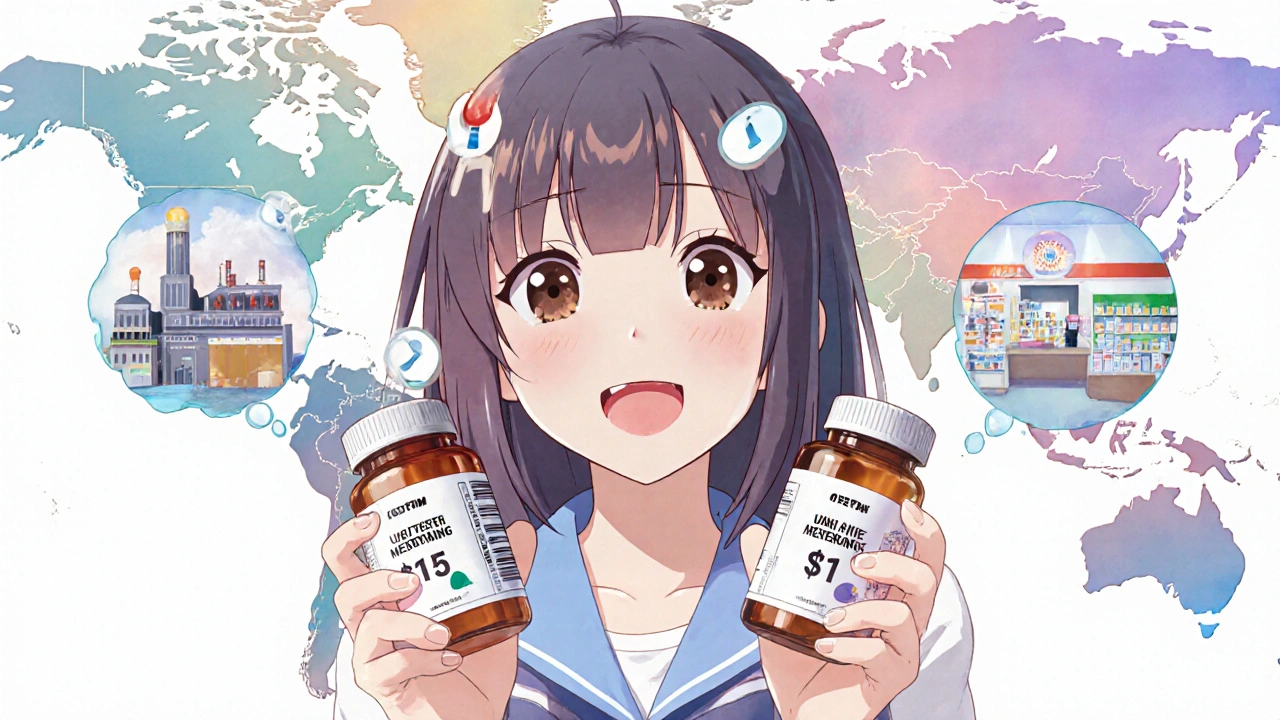
Generic drugs save money-but their availability and price vary wildly around the world. Why do some countries have 80% generic use while others use less than 20%? And why do the same pills cost 10x more in one country than another?

Managing hives can be challenging, but your diet plays a significant role in alleviating symptoms. By strategically including or excluding certain foods, you can potentially experience relief and keep outbreaks under control. Learn which foods to avoid and which to consume to help manage hives effectively.

Explore how ropinirole affects daytime sleepiness in Parkinson's patients, review key studies, compare alternatives, and learn practical tips to stay alert.
Get the facts on Biltricide (Praziquantel): its uses, how it works, side effects, safety tips, and practical advice for treating tapeworms, liver flukes, and schistosomiasis.
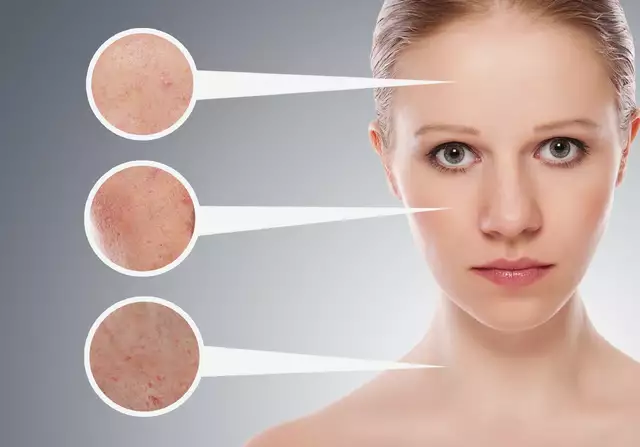
As a copywriter, I've been researching Celecoxib and its connection to skin conditions, and I'd like to share some important information I've learned. Celecoxib is a nonsteroidal anti-inflammatory drug (NSAID) commonly used to treat pain and inflammation. However, it's crucial to know that some people may experience skin reactions while taking this medication. These reactions can range from mild rashes to serious conditions like Stevens-Johnson Syndrome. If you're considering Celecoxib for pain relief, it's essential to consult with your doctor about potential risks and monitor your skin closely while taking the medication.
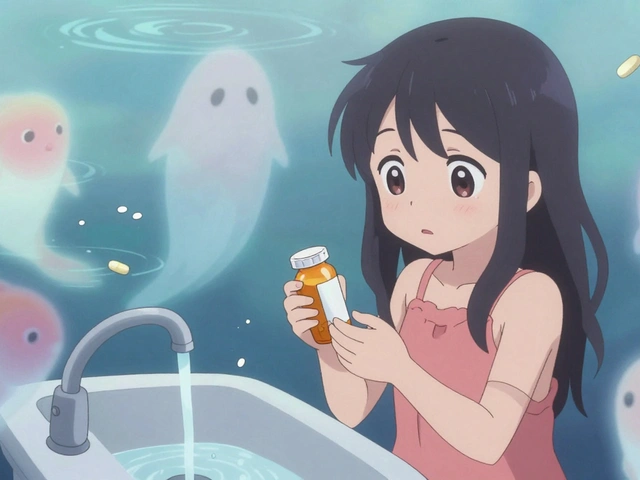
Flushing medications pollutes waterways and harms aquatic life. Learn why take-back programs are the safest disposal method, what medications should never be flushed, and how to properly dispose of old pills at home.