
Drug interactions happen when one medicine changes how another works. That can make a drug stronger, weaker, or cause new side effects. You don’t need to memorize every combo, but you should know the usual suspects and simple steps to stay safe.
Interactions aren’t only between prescription drugs. Over-the-counter meds, vitamins, herbal supplements, and even certain foods and drinks can matter. For example, grapefruit juice can raise levels of some cholesterol drugs and blood pressure meds. St. John’s wort can make birth control and many antidepressants less effective. Knowing a few common patterns goes a long way.
There are three common ways interactions occur: one drug changes how your body breaks down another; two drugs boost the same side effect; or one drug cancels out the other’s benefit. Antibiotics can affect blood thinners like warfarin and change bleeding risk. Some heart and psychiatric meds interact with painkillers or antifungals, raising the chance of dangerous heart rhythm changes. If you start feeling unexpected dizziness, heavy drowsiness, sudden bleeding, or a big drop or rise in blood pressure, think interaction and contact a professional.
Don’t forget non-prescription items. Antacids can block absorption of thyroid pills or certain antibiotics. Cold medicines with decongestants may spike blood pressure. Herbal teas and supplements aren’t harmless—many are active chemicals that interact with drugs.
Carry an up-to-date meds list. Include doses, how often you take them, and any supplements or herbal products. Keep a digital copy on your phone and a paper copy in your wallet. Tell every provider and pharmacist about everything you take—new prescriptions are the most common moment for interactions to show up.
Use a drug interaction checker when you get a new prescription. Reliable online checkers and pharmacy apps flag serious combos and explain the risk. Still, treat tool results as a starting point—talk with your pharmacist or prescriber before changing or stopping meds.
Ask these specific questions when a new drug is prescribed: Will this interact with my current meds or supplements? Should I avoid any foods or drinks? Do I need blood tests or a different dose? If the answer is unclear, ask for written instructions or a quick follow-up call.
In an emergency—severe rash, difficulty breathing, fainting, severe bleeding—call emergency services. For less urgent concerns, your pharmacist can often sort out interaction risk quickly. Exact-Pharma has guides and articles on many common combos if you want a readable overview before talking to your clinician.
Small steps prevent most problems: keep a list, tell every provider, use a checker, and ask clear questions. That simple routine catches most dangerous interactions before they become a problem.

As a blogger, I recently looked into fluvoxamine interactions and found out that it's crucial to avoid certain medications while taking this SSRI. Some medications, like monoamine oxidase inhibitors (MAOIs) and pimozide, can cause severe side effects when taken with fluvoxamine. It's also essential to be cautious with other antidepressants, blood thinners, and drugs affecting serotonin levels. To ensure safety, always consult with a doctor before starting any new medications while on fluvoxamine. Remember, it's better to be safe than sorry when it comes to drug interactions!

Learn how the ABCDE rule helps spot melanoma, why it often misses early cases, and when to insist on a biopsy. Real facts, real stories, and what to do now.

Griseofulvin is a go-to treatment for fungal infections in our furry friends, cats and dogs. It's particularly effective against infections caused by dermatophytes, which affect the skin, hair, and nails. Administered orally, it's absorbed through the pet's digestive tract and then binds to keratin cells, preventing the fungus from infecting new cells. However, it's important to note that Griseofulvin should be used with caution as it can cause side effects such as vomiting, diarrhoea or even blood disorders. Always consult your vet before starting any new treatment.
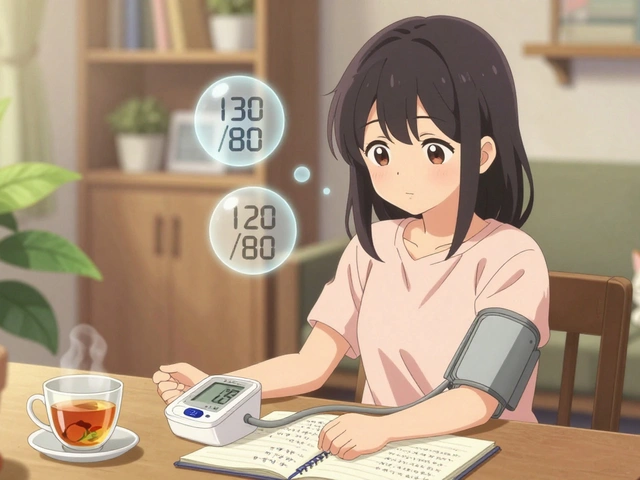
Blood pressure targets are no longer one-size-fits-all. Learn why 120/80 isn't right for everyone, how guidelines differ across countries, and what really matters for your health-beyond the numbers.

A must-read guide showing the safest and smartest routes to buying Flomax online, choosing reliable pharmacies, avoiding scams, and protecting your health.
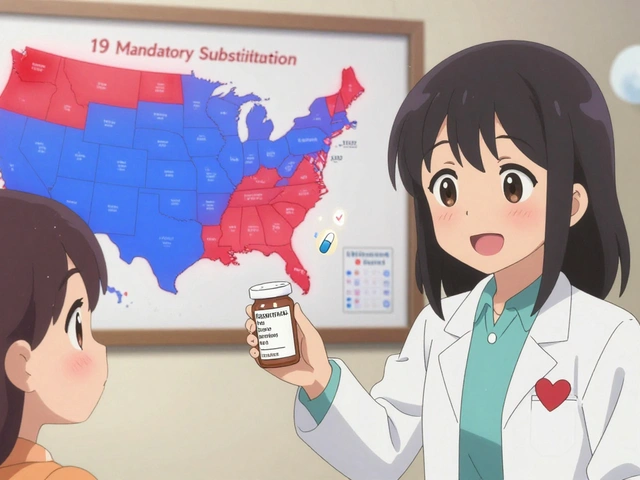
State laws determine whether pharmacists must or can switch your brand-name prescription to a cheaper generic. These rules affect your costs, safety, and access-and vary widely across the U.S.