
High blood pressure affects about one third of adults worldwide and often has no symptoms. That’s why checking and acting matter.
Measure correctly at home: sit quietly five minutes, feet flat, back supported, arm at heart level. Take two readings one minute apart and record both.
Target numbers depend on age and health. Aim for below 130/80 if you have diabetes, heart disease, or high risk — otherwise many doctors still aim for under 140/90. If your number is 180/120 or higher and you have chest pain, shortness of breath, severe headache, or vision changes, get emergency care.
Cut sodium first. Most people eat more than 3,400 mg daily; aim under 1,500–2,300 mg. Eat more fruits, veggies, whole grains, lean protein, and low-fat dairy — the DASH pattern works. Lose even 5% of body weight and you’ll often see a measurable drop in pressure. Move 30 minutes most days — brisk walking, cycling, or swimming help. Limit alcohol, quit smoking, and sleep seven hours or more when possible.
If lifestyle changes aren’t enough, meds help. Common classes include ACE inhibitors, ARBs, thiazide diuretics, calcium channel blockers, and beta blockers. Each works differently and has side effects. Don’t stop meds suddenly; talk to your doctor before changing doses. Use a pillbox, set phone reminders, and sync refills so you never miss doses.
Check in regularly. If readings stay high, your treatment may need changing. Some causes like sleep apnea, thyroid issues, or certain meds can raise blood pressure — ask your doctor about tests. Keep a simple log of dates, times, readings, and notes about stress, sleep, or missed meds. Share the log at appointments.
Be careful buying meds online. Use licensed pharmacies, require a prescription, and check reviews or pharmacy verification seals. Avoid pills with strange packaging or prices that seem too good. If side effects start or you notice swelling, cough, dizziness, or fainting, call your clinic right away.
Tiny routine changes add up fast. Cook more at home, swap salty snacks for fruit, park farther, take stairs, and use a smartwatch or cuff for regular checks. Celebrate progress — a lower reading, more steps, or a week of on-time meds are wins.
If you’re not sure where to start, book a blood pressure check and bring a week of home readings. Keep notes, ask about targets and side effects, and make a simple plan you can follow. Small steady steps usually beat drastic changes that don’t stick.
For example, ACE inhibitors like lisinopril can cause a dry cough; ARBs like losartan don’t usually cause cough and are an option. Thiazide diuretics can raise uric acid or affect potassium; calcium channel blockers may cause leg swelling. Discuss these trade-offs with your doctor and get blood tests as advised. Keep emergency contacts and a list of current meds in your wallet.
Small steps plus a clear plan keep blood pressure under control and reduce heart risk. Start today: measure, record, and ask your doctor one question.

As a blogger, I recently delved into the fascinating connection between hyperthyroidism and high blood pressure. I discovered that hyperthyroidism, a condition where the thyroid gland produces too much thyroid hormone, can actually lead to high blood pressure, also known as hypertension. This occurs because an excess of thyroid hormone can cause blood vessels to constrict, leading to increased pressure within the vessels. It's important to recognize and treat both conditions to prevent serious complications such as heart disease or stroke. Stay tuned for my full blog post where I'll share more information on this critical health issue and potential treatment options.

Flushing medications pollutes waterways and harms aquatic life. Learn why take-back programs are the safest disposal method, what medications should never be flushed, and how to properly dispose of old pills at home.

Learn how the FDA's 2025 update to biosimilar approval rules is accelerating access to lower-cost biologic alternatives, why they're not the same as generics, and what this means for patients and providers.

As of 2025, there are several alternatives to Valtrex for managing herpes infections. This article explores seven options, weighing their pros and cons to help patients make informed decisions about their antiviral therapy. Some alternatives are used for their unique benefits, while others are highlighted for their effectiveness when combined with existing medications. Learn more about these options and find the best one that suits your health needs.
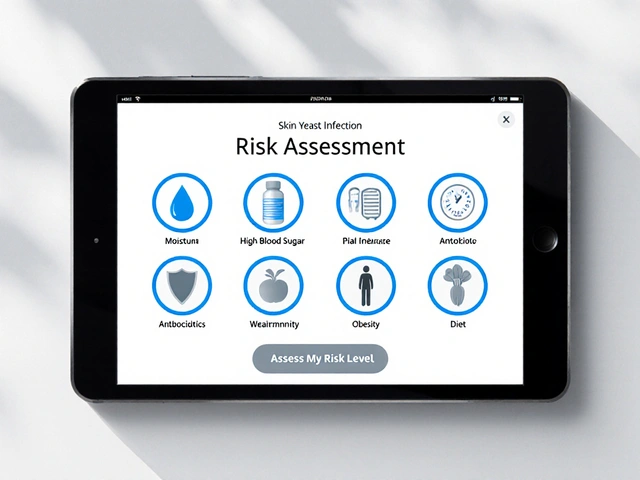
Learn practical steps to prevent skin yeast infections, from hygiene and clothing tips to diet and early detection, plus when to seek medical help.
Nitrosamine contamination in generic drugs has triggered dozens of recalls since 2018. Learn how cancer-causing impurities slipped into medications like valsartan and metformin-and how the FDA is responding.