
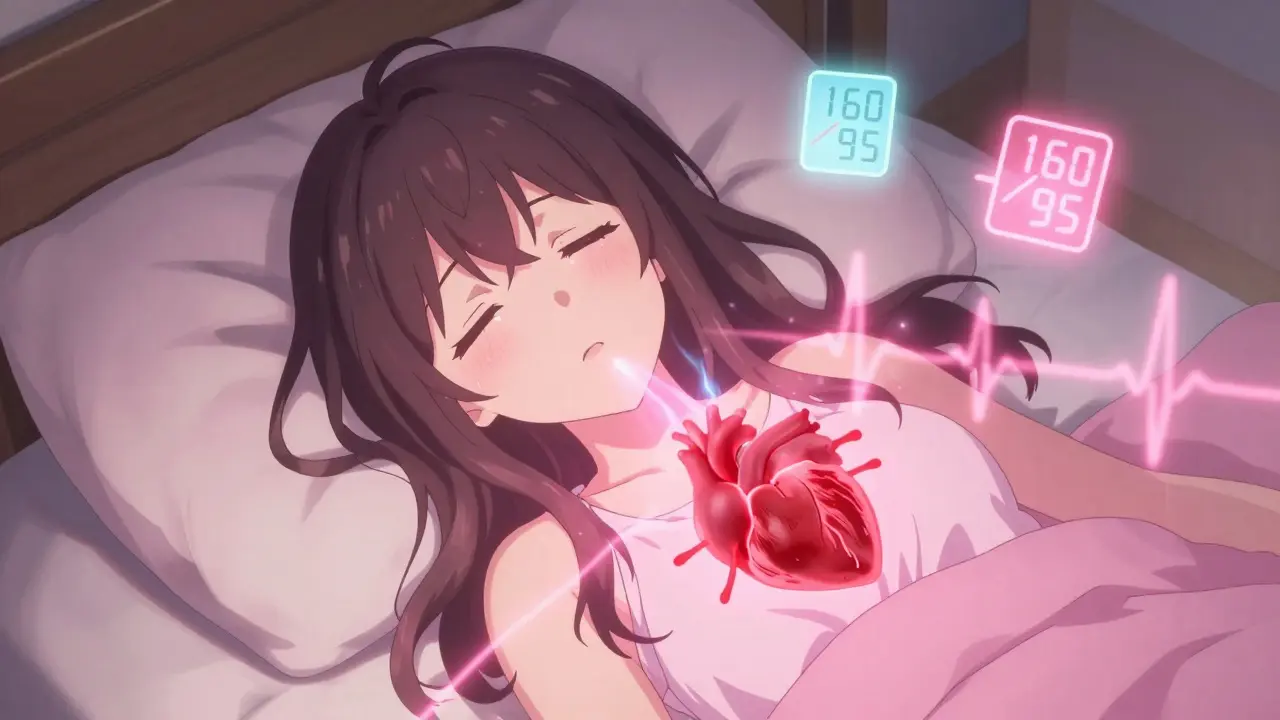
Sleep apnea doesn't just disrupt sleep-it strains your heart, spikes blood pressure, and triggers dangerous arrhythmias. Learn how untreated sleep apnea increases heart attack, stroke, and atrial fibrillation risk-and what treatment can do to reverse it.
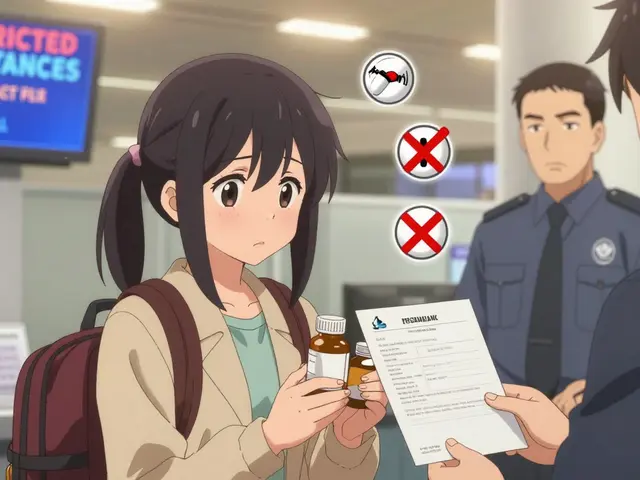
Learn how to safely carry and refill medications abroad, avoid legal trouble, and get local prescriptions when traveling. Essential tips for travelers with chronic conditions, mental health meds, or pain management needs.
A clear guide that breaks down FDA risk‑benefit statements, shows where they appear, how to read numbers, and tips for patients to make informed decisions.

Sometimes gabapentin just doesn't cut it for pain or seizures—or its side effects are just too much. This article digs into other meds that doctors often choose, breaking down how well they work and the most common side effects. From pregabalin to lesser-known options, you'll find practical details on dosing and comparisons on what users and research say. Real facts, dosing tips, and adverse event details for each option. If gabapentin isn't working for you, here's what else you can try.

Discover how magnesium, valerian root, and CBD may help relax muscles, relieve spasms, and support your back pain regimen alongside methocarbamol.
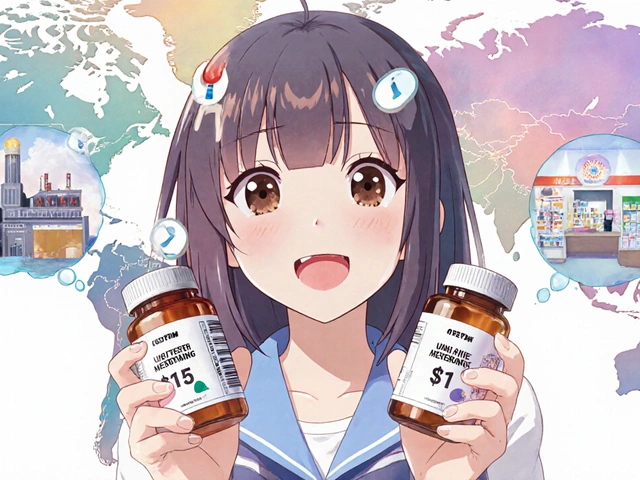
Generic drugs save money-but their availability and price vary wildly around the world. Why do some countries have 80% generic use while others use less than 20%? And why do the same pills cost 10x more in one country than another?