
When someone says heart failure, a condition where the heart can't pump enough blood to meet the body's needs. Also known as congestive heart failure, it's not a sudden event—it's a slow decline that sneaks up on people, often mistaken for just getting older or out of shape. About 6.7 million adults in the U.S. live with it, and many don’t realize they have it until symptoms get serious. It’s not one disease, but a group of problems: weak heart muscle, stiff chambers, leaky valves—all leading to the same outcome: your body doesn’t get the oxygen it needs.
Medication management, the careful use of drugs to control symptoms and slow progression is the backbone of treatment. Diuretics help drain fluid buildup, ACE inhibitors relax blood vessels, beta-blockers slow the heart down—each one has a job. But taking them right matters. Miss a dose? Take too much? You could end up back in the hospital. And it’s not just pills. Lifestyle changes—cutting salt, weighing yourself daily, watching fluid intake—are just as important. These aren’t suggestions; they’re survival tools.
Heart disease, the broader category that includes heart failure, coronary artery disease, and arrhythmias is the root cause in most cases. High blood pressure, past heart attacks, diabetes, even long-term alcohol use can damage the heart over time. You can’t always prevent it, but you can catch it early. If you’re constantly tired, swollen in your ankles, or get winded walking to the bathroom, don’t brush it off. Those are red flags, not just aging.
People with heart failure often feel isolated. They can’t do what they used to. Groceries, stairs, even sex become challenges. But it’s not hopeless. Many live years with good quality of life—especially when they understand their meds, track their symptoms, and speak up when something changes. The real win isn’t a cure—it’s staying out of the ER, keeping your independence, and knowing when to call your doctor.
Below, you’ll find real-world advice on how to handle medications safely, avoid dangerous interactions, and make sense of the confusing world of prescriptions. Whether you’re managing heart failure yourself or helping someone who is, these posts give you the tools—not just theory, but what actually works on the ground.

Learn how to safely manage diuretics in heart failure patients to prevent dangerous low potassium levels. Practical tips on monitoring, supplements, medications, and lifestyle changes to reduce arrhythmia risk.
I recently came across a study discussing the effectiveness of Minocycline for sinus infections. It turns out, this antibiotic has shown promising results in treating both acute and chronic sinusitis. The study suggests that Minocycline may reduce inflammation and bacterial growth in the sinuses, providing relief for those suffering from sinus infections. However, it's important to consult with your doctor before using this medication, as it may not be suitable for everyone. So, if you're struggling with a sinus infection, Minocycline might be worth looking into as a potential treatment option.

Statins and ALS: No proven link exists. Latest research shows long-term statin use may reduce ALS risk, while early symptoms often cause mistaken fear. Don't stop statins without medical advice.

In my latest blog post, I've discovered an incredible secret weapon in the fight against inflammation and joint pain: Goutweed! This powerful herb has been used for centuries in traditional medicine and is now gaining recognition in modern times. Goutweed contains potent anti-inflammatory properties which can help alleviate joint pain and improve overall health. I've been amazed by the results I've experienced after incorporating Goutweed into my daily routine. Check out my blog to learn more about this amazing plant and how it can help you in your battle against inflammation and joint pain!

Explore the advantages and drawbacks of congestion pricing, its impact on traffic, emissions, equity, and how cities fund better public transit.
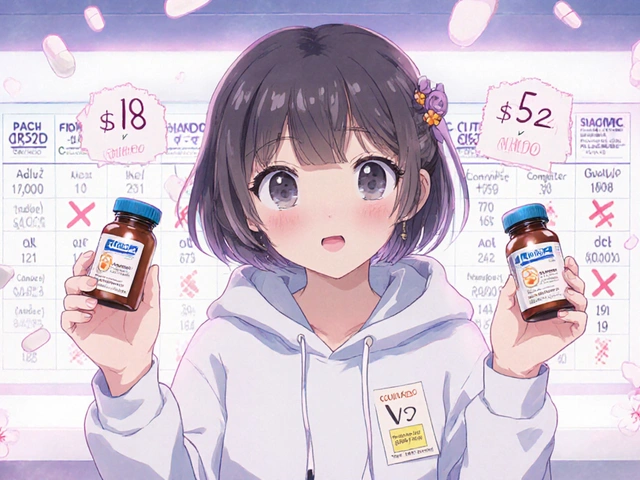
Insurance plans often cover generic combination drugs differently than individual generics, leading to confusing and sometimes costly outcomes. Learn how formularies, tiers, and pricing affect your out-of-pocket costs-and how to save money.