
Glipizide can lower blood sugar quickly, and that’s great when your doctor prescribes it—bad when you get the wrong product. If you’re thinking about buying glipizide online, you need to protect your health and your wallet. This page gives clear, practical steps so you don’t end up with counterfeit pills, the wrong dose, or a dangerous drug interaction.
Glipizide is a sulfonylurea used for type 2 diabetes to help the pancreas release insulin. It’s not for type 1 diabetes or for people who don’t have a prescription. Doctors prescribe it after they check your blood sugar patterns, kidney and liver function, and other medicines you take. Never start glipizide without a medical check-up.
Always use a licensed pharmacy. Look for a visible license number, a real business address, and a way to contact a pharmacist. If the site sells prescription drugs without asking for a prescription, walk away. Licensed pharmacies will ask for a prescription and may offer a pharmacist consultation.
Check for secure checkout and clear privacy policies. Real pharmacies use HTTPS and accept standard payment methods. Beware of sites that only take wire transfers, crypto, or ask for extra personal details beyond what’s needed for a prescription.
Price matters, but extremely low prices are a red flag. If glipizide costs a fraction of the usual price, the pills could be fake or expired. Read recent customer reviews on independent sites, not just testimonials on the seller’s page.
Inspect packaging and pills when they arrive. Legitimate products usually include batch numbers, expiry dates, and manufacturer info. If packaging looks tampered with or the pills differ in color or shape from what your prescriber described, don’t take them—contact your pharmacist and return the product.
Know common interactions and safety issues. Glipizide can cause low blood sugar (hypoglycemia), especially if you skip meals, drink alcohol, or take other diabetes drugs. It can interact with beta-blockers, some antibiotics, and certain blood pressure medicines. Keep a list of all your medications and share it with your prescriber before buying.
Think about shipping and storage. Glipizide doesn’t usually need refrigeration, but avoid extreme heat. Fast, tracked shipping reduces the chance pills sit in hot mail trucks. If your medication is delayed or exposed to heat, ask the pharmacy if the product is still safe.
If cost is an issue, ask your doctor about generic options, manufacturer coupons, or patient assistance programs. Don’t cut corners by buying from unverified overseas sellers—short-term savings can lead to long-term health risks.
Bottom line: buy glipizide only with a prescription from a licensed provider and from a reputable, licensed pharmacy. Talk to your prescriber or pharmacist about dosing, interactions, and what to do if you get low blood sugar. That small bit of caution keeps you safe and keeps your treatment on track.

Learn how to safely buy Glipizide online, spot legit pharmacies, avoid scams, check for prescriptions, and get tips for Canadians ordering diabetes meds.
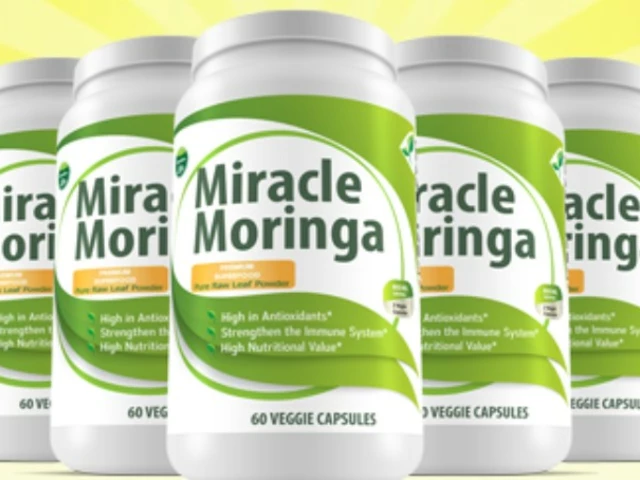
I recently came across an incredible dietary supplement called Moringa, and I just had to share its amazing benefits with you all. This nutrient-packed plant is transforming lives and improving health in numerous ways. Rich in vitamins, minerals, and amino acids, Moringa has been known to boost energy, improve digestion, and even support a healthy immune system. It's no wonder that it's gaining popularity as a superfood! If you're looking for a natural way to enhance your overall well-being, you might want to consider giving Moringa a try.
Ciclopirox is no longer just a nail fungus treatment. New research shows promise in cancer, antibiotic-resistant infections, and advanced topical delivery - making it one of the most surprising drug repurposing stories of 2025.
Generic drugs make up 90% of prescriptions but only 20% of spending - and that’s why they’re disappearing. Cheap prices, foreign factories, and broken incentives are causing critical drug shortages affecting millions.
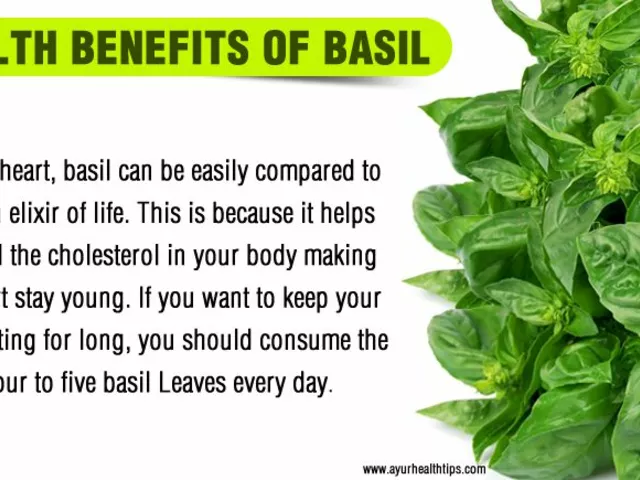
In my latest blog, I explored the incredible benefits of the mighty hibiscus flower. This natural wonder is more than just a pretty bloom, it's packed with nutrients that can boost your health and happiness. From helping to control blood pressure to supporting healthy skin and hair, hibiscus is a true ally in our wellness journey. Moreover, it's a natural mood enhancer, literally adding a touch of joy to our lives. Trust me, you'll want to unlock the power of hibiscus after reading about its amazing attributes.
Side effects are the #1 reason people stop taking their meds-even when they know it's important. Learn how to manage them, when to speak up, and how pharmacists can help you stay on track.