
When you pick up a prescription, you expect it to be safe. But how do you know it wasn’t made in an unregulated lab or mixed with the wrong ingredients? That’s where the DSCSA, the Drug Supply Chain Security Act, a U.S. federal law designed to build a secure, electronic system for tracking prescription drugs. Also known as Drug Traceability Law, it’s not just paperwork—it’s a shield against fake, stolen, or contaminated medicines. Starting in 2023, every package of medicine you get must carry a unique identifier, like a digital barcode, that lets pharmacies and wholesalers check its entire journey—from factory to your hands.
This system doesn’t just help big companies. It directly protects people taking generic drugs, lower-cost versions of brand-name medications that make up 90% of prescriptions in the U.S.. Generic drugs are often made overseas, and without DSCSA, there was little way to tell if a bottle of metformin or lisinopril came from a certified plant or a shady supplier. Now, every lot number can be traced back to its source. If something goes wrong—like a recall or contamination—pharmacies can quickly isolate the bad batch instead of pulling every bottle off the shelf. That means fewer disruptions, less waste, and more confidence in what you’re taking.
DSCSA also connects to pharmaceutical safety, the system of checks, regulations, and monitoring that ensures medications don’t harm patients. Think of it like a digital chain of custody. Hospitals, distributors, and pharmacies all have to verify each package before passing it along. This cuts down on counterfeit drugs—like fake Viagra or insulin—that have killed people in the past. It also helps with recalls. If a batch of daptomycin is found to cause muscle damage, or if a shipment of tolvaptan has the wrong strength, the system can pinpoint exactly where it went. No more guessing. No more delays.
And while DSCSA sounds technical, its impact is personal. If you’ve ever worried about a drug shortage—like the ones hitting generic antibiotics or thyroid meds—it’s because supply chains are fragile. DSCSA doesn’t fix manufacturing problems, but it makes them easier to spot and contain. It doesn’t stop companies from cutting corners, but it makes it harder for them to get away with it. For patients managing chronic conditions, this means fewer surprises. More consistency. More trust.
Below, you’ll find real-world stories and breakdowns of how DSCSA touches everything from generic drug shortages to medication errors at home. You’ll see how it connects to the safety of your prescriptions, why some drugs vanish from shelves, and how traceability helps—or doesn’t—when your insurance denies coverage for a combo pill. This isn’t about regulation for regulation’s sake. It’s about making sure the medicine you rely on actually does what it’s supposed to.
Learn how to verify if your medicine is real using official tools like EU FMD and U.S. DSCSA systems. Spot counterfeit drugs and protect yourself with proven methods and expert tips.
Learn the safe dosage, side effects, and dangerous drug interactions of Viagra Oral Jelly and sildenafil. Understand when it works, who should avoid it, and how to get it legally.
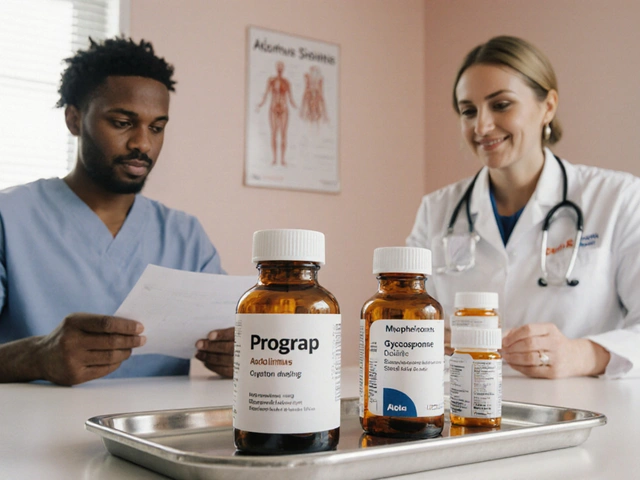
A detailed side‑effect, cost and efficacy comparison of Prograf (tacrolimus) with generic tacrolimus, cyclosporine, sirolimus and mycophenolate for transplant patients.

I recently discovered the incredible benefits of Scurvy Grass, a dietary supplement that's truly a game changer. Packed with essential nutrients like vitamin C, iron, and calcium, it's a powerhouse for immune support and overall health. Not only does it help prevent scurvy, but it also aids in digestion, supports bone health, and has anti-inflammatory properties. I've been incorporating it into my daily routine, and I'm already noticing a difference in my well-being. If you're looking for an all-natural supplement to boost your health, I highly recommend giving Scurvy Grass a try!

I recently came across some fascinating new research on the potential uses of Ticlopidine, a medication traditionally prescribed to prevent blood clots. Scientists are now exploring its potential in treating other medical conditions, such as Parkinson's disease and certain types of cancer. It's exciting to see how researchers are constantly pushing the boundaries of medical knowledge and discovering unexpected applications for existing drugs. I'll be keeping a close eye on the progress of these studies and will keep you all updated on any significant developments. Who knows, Ticlopidine could soon play a crucial role in the treatment of a whole new range of diseases!

Perioral dermatitis is a stubborn facial rash often triggered by steroids, moisturizers, and toothpaste. Learn the real causes, what to avoid, and how to rebuild your skin with a gentle, evidence-based routine.