
When your body reacts badly to a medicine, it’s not just a side effect—it’s a drug reaction, an unintended and potentially dangerous response to a medication. Also known as a drug allergy, this isn’t about feeling a little nauseous after taking a pill. It’s about your immune system or organs going into overdrive, and it can happen fast. These reactions range from mild itching to full-blown emergencies like anaphylaxis, a sudden, life-threatening allergic reaction that shuts down breathing and circulation, or Stevens-Johnson Syndrome, a rare but deadly skin condition triggered by drugs that causes the skin to blister and peel.
Most people think if they’ve taken a drug before without issue, they’re safe. But that’s not true. Reactions can show up after the first dose—or the tenth. A drug that was fine last year might trigger a reaction this month. Common triggers include antibiotics like penicillin, NSAIDs like ibuprofen, seizure meds, and even some over-the-counter painkillers. The signs aren’t always obvious at first. A rash might start as a small red spot. Swelling might begin as just a puffy lip. But within hours, it can escalate. Trouble breathing, a rapid heartbeat, dizziness, or skin peeling off in sheets? That’s not a coincidence. That’s your body screaming for help.
What makes drug reactions so dangerous is how quickly they can turn fatal. Anaphylaxis kills within minutes if epinephrine isn’t given. Stevens-Johnson Syndrome can lead to sepsis, organ failure, or permanent scarring. And too many people wait. They think, "It’s probably just a rash," or "I’ll wait to see if it goes away." But with drug reactions, timing is everything. The difference between calling 911 and calling your doctor tomorrow can be life or death.
You don’t need to be a medical expert to spot the red flags. If you’ve taken a new medicine and suddenly feel worse—not just tired or queasy, but like something’s seriously wrong—trust that feeling. Write down what you took, when, and what symptoms started. Take a photo of any rash or swelling. Bring it to your doctor or ER. Don’t guess. Don’t hope it passes. Get help.
The posts below cover real cases, real warnings, and real actions you can take. From spotting early signs of a bad reaction to knowing when to rush to the hospital, you’ll find clear, no-fluff advice based on actual medical experience. Whether you’re managing a chronic condition, starting a new drug, or just worried about what’s in your medicine cabinet, this collection gives you the facts you need to stay safe.
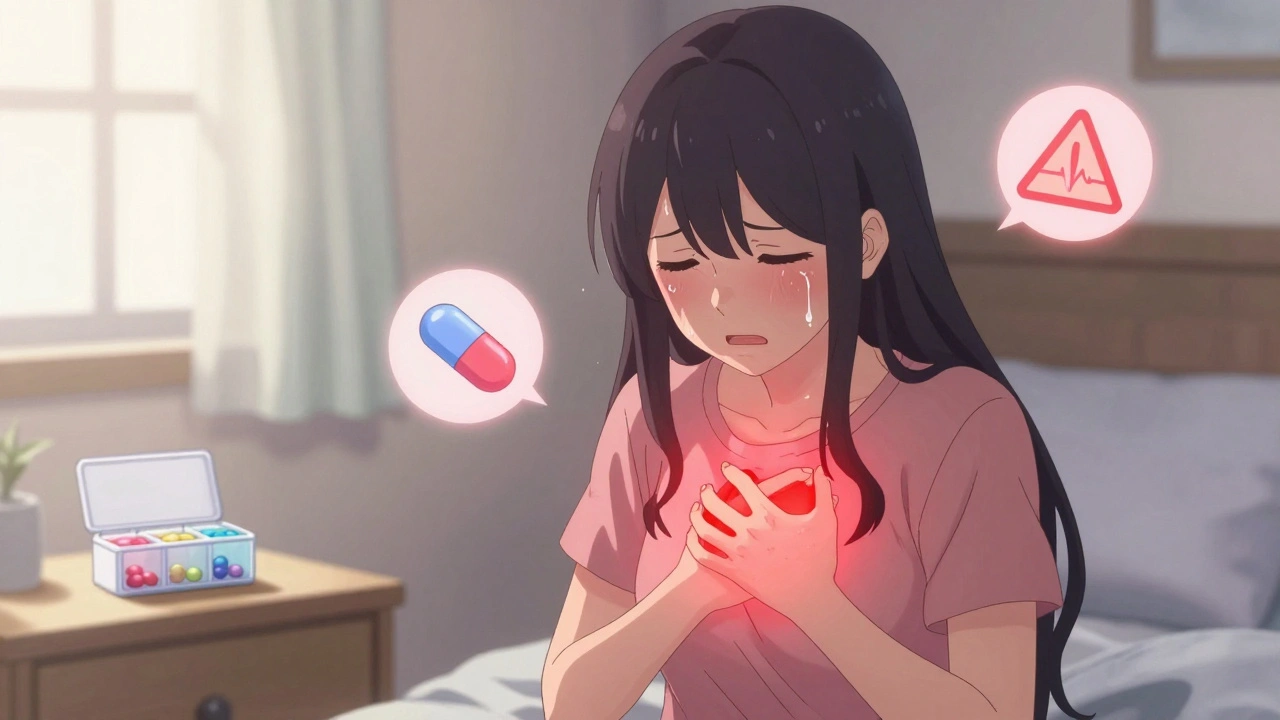
Learn the early warning signs of dangerous medication side effects that can lead to hospitalization or death. Know when to act fast and how to protect yourself before it's too late.
A side‑by‑side comparison of Viagra (sildenafil) with Cialis, Levitra, Stendra and generics, covering how they work, dosage, cost, safety and choosing the best option.
Curious which over-the-counter options stack up against amoxicillin? This article explores 10 OTC antibiotics or drugstore products with similar effects, comparing their efficacy and use. You’ll find interesting facts, tips on choosing the right alternative, and practical stats, all structured for clarity. Get ready for an in-depth, honest look at how drugstore meds measure up to this popular prescription antibiotic. From hidden risks to smart ways to shop, this guide covers what you need before making a decision.

A must-read guide showing the safest and smartest routes to buying Flomax online, choosing reliable pharmacies, avoiding scams, and protecting your health.
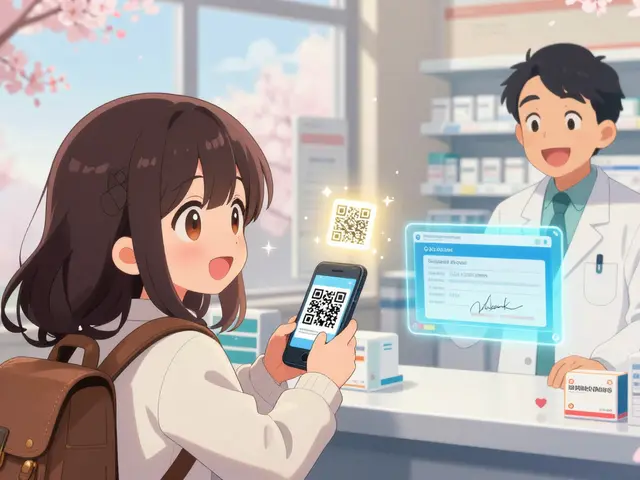
EU cross-border pharmacy services let citizens buy generic drugs in any member state using digital prescriptions. Learn how ePrescriptions work, where they’re accepted, and what still blocks access in 2026.
Learn how to speak up about medication side effects with clear steps, real tools, and proven strategies that help you communicate better with your doctor and avoid dangerous health risks.