
When you buy medicine online, you’re trusting a website with your life. Dangerous online pharmacies, websites that sell fake, unregulated, or contaminated drugs without a valid prescription. Also known as rogue pharmacies, these sites look real—but they’re often run by criminals who don’t care if you live or die. They sell fake Viagra, counterfeit insulin, or pills with no active ingredient at all. Some even mix in rat poison, fentanyl, or industrial chemicals. The FDA and WHO warn that over 50% of drugs bought from non-certified online pharmacies are fake.
These sites don’t need a license. They don’t require a prescription. They don’t even have a real address. You’ll see flashy ads, fake reviews, and prices that seem too good to be true—because they are. Real pharmacies are regulated. They verify your doctor’s prescription. They store drugs properly. They track every batch. Dangerous online pharmacies do none of this. They rely on desperation: people who can’t afford their meds, can’t get an appointment, or are too embarrassed to ask for help. That’s how they trap you.
It’s not just about getting the wrong pill. It’s about what happens after. You might think you’re saving money, but a fake blood pressure pill could trigger a stroke. A counterfeit antibiotic might make your infection worse. A fake painkiller could contain lethal doses of fentanyl. And if you have a bad reaction? There’s no pharmacy to call. No pharmacist to help. No traceable lot number. Just silence.
There are tools to protect yourself. The Verified Internet Pharmacy Practice Sites (VIPPS), a certification program by the National Association of Boards of Pharmacy that identifies legitimate U.S. online pharmacies. Look for the VIPPS seal—and click it. It should link to the NABP’s official site. Also check for a physical address, a licensed pharmacist you can talk to, and a valid phone number. Avoid sites that ship from overseas or offer "no prescription needed" deals. The DSCSA, the U.S. Drug Supply Chain Security Act that tracks prescription drugs from manufacturer to patient. ensures real drugs move through legal channels. If a site doesn’t follow it, don’t buy from them.
And don’t trust Google ads. Fake pharmacies pay to show up at the top of search results. Real pharmacies don’t need to. If you’re unsure, call your local pharmacy. Ask them to check the drug’s NDC code. Or ask your doctor for a legitimate online source. You don’t need to risk your health for convenience.
Below, you’ll find real stories and practical guides on how to spot counterfeit drugs, what to look for on packaging, how to use official verification tools, and why some people end up buying from these sites in the first place. These aren’t theory pieces—they’re survival tips from people who’ve been there. And if you’ve ever wondered why the same pill costs $2 in one country and $200 in another, you’ll find the answer here too. This isn’t about fear. It’s about knowing what to look for before you click buy.
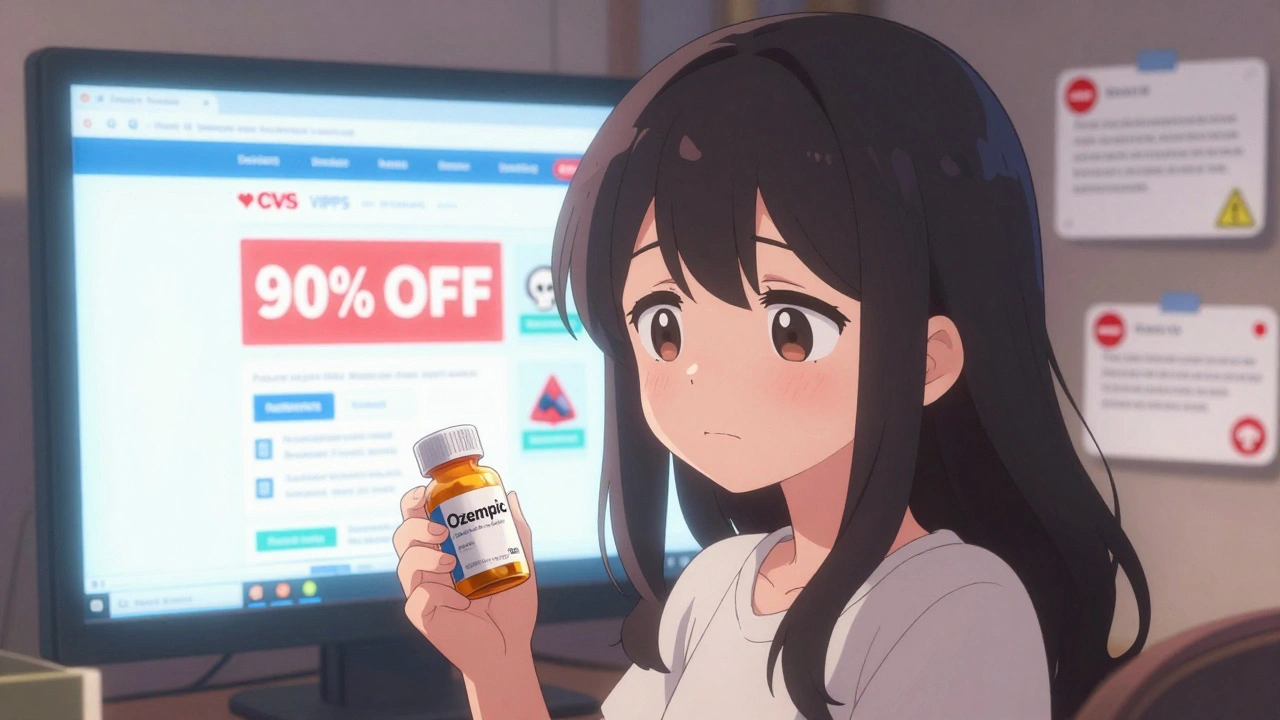
Buying medicine online might seem convenient, but counterfeit drugs are a deadly threat. Fake pills often contain fentanyl, toxic chemicals, or no active ingredient at all. Learn how to spot real pharmacies and protect yourself.
Explore universaldrugstore.com—its reputation, medication sourcing, prices, safety, and real-user experiences in the online pharmacy landscape.
Learn how to set up a simple, effective system to track medication costs and get automatic refill alerts-without expensive tools or complex software. Save money and avoid dangerous gaps in treatment.

Discover how regular exercise works with vitamin D and calcium to fight rickets, boost bone density, and keep children's skeletons strong and healthy.
Learn how to safely buy Glipizide online, spot legit pharmacies, avoid scams, check for prescriptions, and get tips for Canadians ordering diabetes meds.
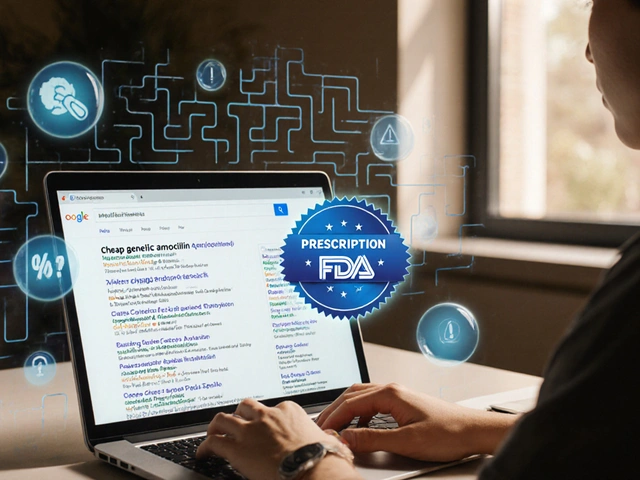
Learn how to purchase cheap generic amoxicillin online safely. Get legal tips, pharmacy comparisons, ordering steps, and money‑saving hacks in one concise guide.