Providers aren’t just using new tools-they’re rethinking who they are
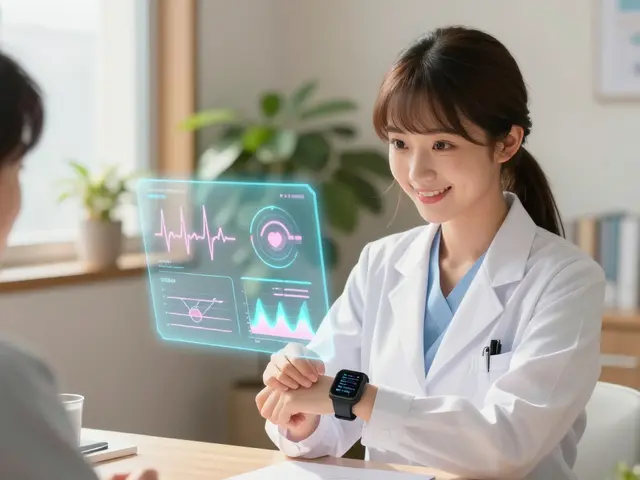
Five years ago, a doctor walking into a room with a patient still expected to be the sole source of medical knowledge. Today, that patient has already checked their heart rate on a smartwatch, tracked sleep patterns in an app, and read three peer-reviewed articles before the appointment even started. This isn’t science fiction-it’s February 2026. And healthcare providers are no longer resisting this shift. They’re adapting. Fast.
Technology is no longer optional-it’s part of the job description
Healthcare workers used to worry about AI replacing them. Now, they’re worried about being left behind if they don’t learn how to use it. A 2025 Forrester report found that over half of providers now see AI as essential to daily practice, not just a flashy add-on. Tools that analyze wearable data, flag early signs of deterioration, or suggest treatment options based on real-time vitals are becoming standard. But adoption isn’t automatic. It requires training-not punishment. Providers who feel blamed for tech mistakes are more likely to resist. Those who get hands-on support, clear guidelines, and time to experiment are the ones leading the change.
It’s not just about diagnostics. AI is streamlining the paperwork. Appointment scheduling, prior authorizations, insurance coding-these used to eat up hours of a clinician’s day. Now, automated systems handle much of it. That doesn’t mean less work. It means better work. More time for patients. Less burnout. And more accurate records because humans aren’t manually typing in data at 7 p.m. after a 12-hour shift.

The patient isn’t coming to you-they’re inviting you into their world
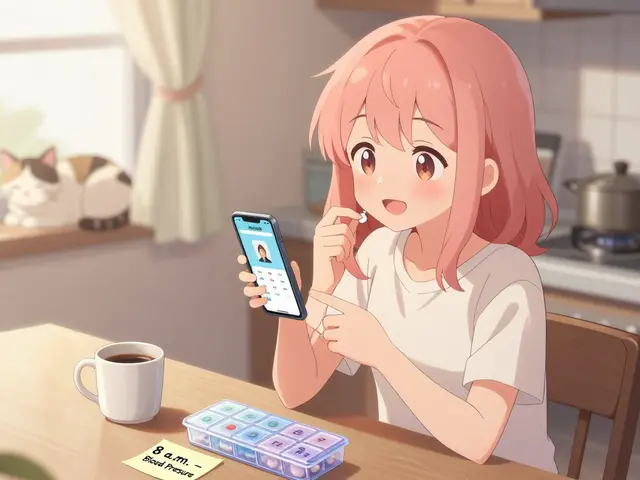
Think about how you shop. You compare prices. You read reviews. You use apps to track your goals. That’s exactly what patients are doing with their health. In 2025, 85% of patients bring digital health records to appointments-not just lab results, but sleep logs, glucose trends, mood trackers, even voice recordings of symptoms. Providers who treat this as noise are falling behind. Those who treat it as insight are building deeper trust.
It’s not about replacing the doctor. It’s about upgrading the conversation. Instead of asking, “How have you been feeling?” a provider might say, “I see your nighttime heart rate spiked three times last week. What was different those nights?” That shift turns a generic check-up into a personalized partnership. And patients notice. They feel seen. They follow treatment plans more closely. And outcomes improve.
The workforce is changing-and so are the rules
There aren’t enough doctors. There haven’t been for years. But the solution isn’t just hiring more MDs. It’s rethinking who does what. Allied health professionals-medical assistants, pharmacy technicians, phlebotomists-are no longer just support staff. They’re frontline care providers. In 2025, 70% of employers require certification for these roles. And it’s not just a box to check. Employers are raising pay by 15-25% for certified staff. Why? Because they’ve seen the results. Certified technicians make fewer errors. They catch issues early. They reduce patient wait times. And they help keep doctors from burning out.
Work schedules are changing too. No longer do providers need to be in the same building to deliver care. Virtual visits, asynchronous messaging, remote monitoring-all of these let clinicians work from anywhere. That’s a game-changer for rural areas, for parents, for people with disabilities. But it also means organizations must build new cultures. Trust can’t be enforced by a badge. It has to be earned through flexibility, respect, and clear expectations.

Providers are learning to lead with humanity, not just data
Technology gives us more information. But it doesn’t give us more compassion. That’s still human work. And patients know the difference. A 2025 IPG Health study found that 68% of consumers prefer care that feels authentic-not perfectly polished, not fully AI-generated. They want to hear a provider’s voice. See their expression. Feel their presence-even if it’s through a screen.
That’s why the best providers aren’t just using AI. They’re using it to amplify their humanity. An AI flags a patient’s rising blood pressure. The provider calls them, not to scold, but to ask: “I noticed your numbers have been climbing. Is something going on you’re not comfortable talking about?” That’s the moment care becomes healing.
Organizations that focus on rituals-weekly team check-ins, peer recognition programs, protected time for reflection-are seeing higher retention. One clinic in Minnesota reduced staff turnover by 40% in 18 months just by starting a simple practice: every Friday, the team shares one thing they’re proud of from the week. No metrics. No pressure. Just connection.
What’s next? It’s not about tech-it’s about trust
The biggest challenge ahead isn’t AI, or staffing, or reimbursement models. It’s rebuilding trust-between providers and patients, between teams, and between leaders and frontline staff. Too many organizations launch “culture initiatives” that sound good on paper but don’t change how people actually work. Real change happens when leaders show up the same way they ask others to. When administrators sit in on virtual visits. When managers ask staff what tools they actually need-not what the vendor promised.
The future of healthcare won’t be defined by the most advanced machine. It’ll be defined by the providers who can use technology to listen better, respond faster, and care more deeply. The ones who treat data as a tool, not a replacement. Who see patients as partners, not problems. Who know that healing still begins with a human voice saying, “I’m here.”