
Most clinics and pharmacies spend on ads, but the best new relationships often start at a neighborhood table or a school event. Community outreach isn’t about one big campaign — it’s about small, consistent moves that show you care and make health services easier to access.
If you run a clinic, pharmacy, or health program, you can use outreach to boost screenings, improve medication adherence, and raise awareness about local services. Below are clear, practical steps you can take this month without hiring a marketing firm.
Pick one clear goal: vaccine uptake, diabetes screenings, or safer opioid use. Keep the first event tiny — a two-hour pop-up at a farmers’ market or a talk at a community center. Partner with one trusted local group: a school, faith center, or senior center. Offer something useful people want: free blood pressure checks, pill-review consultations, or short flyers that explain when to seek urgent care.
Staffing: send two people who know the answers and a volunteer to handle sign-ups. Bring simple tracking: a clipboard with consent to send a follow-up text or email and a quick question: “Did you find this helpful?” Use a tablet if you have it — digital sign-ups make follow-up easier.
Logistics: get a visible table, branded sign, hand sanitizer, and printed materials. If you're a pharmacy, carry a few sample patient information sheets about common meds and interactions. If you hand out samples or low-cost items, make sure you follow legal rules for distribution in your area.
People respond to help, not pitches. Offer actionable tips: how to store medicines properly, simple stretches for back pain, or how to check glucose at home. Run short group talks (10 minutes) and leave plenty of time for one-on-one questions. That builds credibility fast.
Team up with local providers to cover gaps. For example, a pharmacy can handle medication questions while a nurse runs a blood-pressure station and a social worker connects uninsured people to programs. Shared effort keeps costs down and makes your outreach more valuable.
Measure results: track how many people signed up for follow-up, how many accepted a service, and whether outreach led to more appointments. Review these numbers after each event and tweak the offer. If blood-pressure checks always get the best turnout, do more of them.
Common mistakes to avoid: going too broad, using dense medical language, and showing up without a follow-up plan. A good outreach plan focuses on a real need, gives clear next steps, and makes it simple for people to get more help.
Start small this month, keep it useful, and use simple tracking. Over time, that steady presence builds trust, reduces missed medications, and brings real patients through your door.
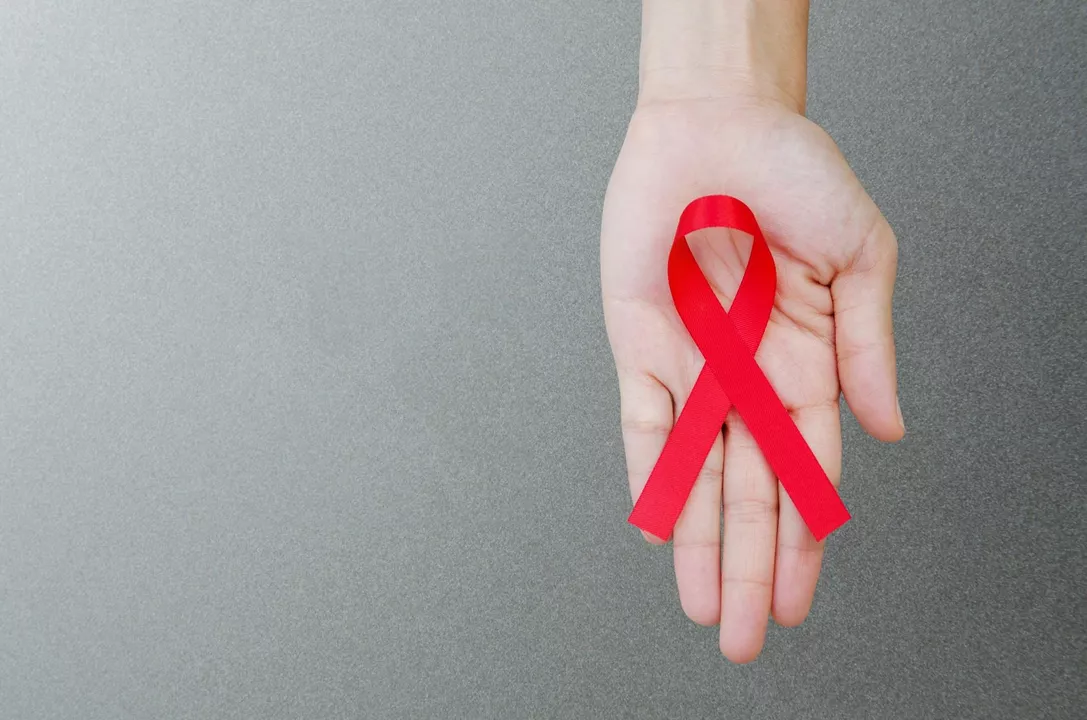
In my latest blog post, I discuss the importance of community outreach in promoting HIV awareness and prevention, with a focus on the antiretroviral drug Atazanavir. As a key player in the fight against HIV, Atazanavir has been proven effective in suppressing the virus and improving patients' quality of life. By educating our community about this medication, we can empower people living with HIV and help prevent the spread of the virus. Additionally, I explore various community outreach strategies and tools that can be implemented to raise awareness and encourage prevention. Join me in spreading the word to help create a healthier, more informed society.
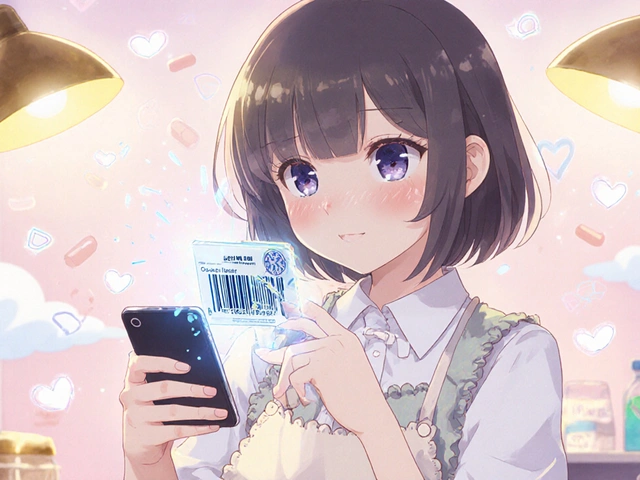
Learn how to verify if your medicine is real using official tools like EU FMD and U.S. DSCSA systems. Spot counterfeit drugs and protect yourself with proven methods and expert tips.

Learn how vitamin D influences thyroid deficiency, how to test levels, proper dosing, safety tips, and monitoring for better thyroid health.
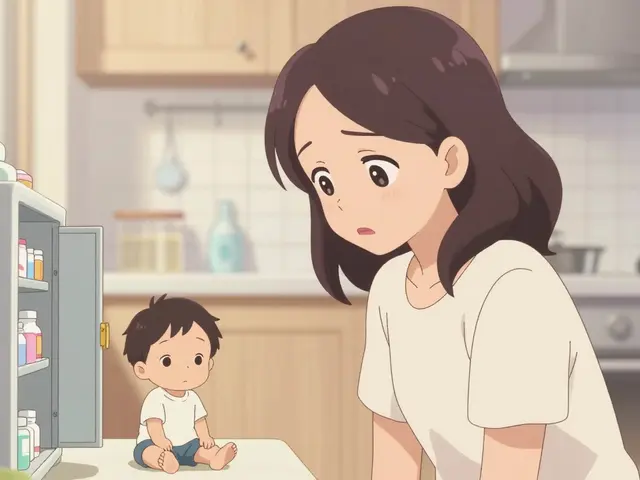
Learn how the Poison Control Hotline (1-800-222-1222) works and exactly what information to report during a medication overdose to save lives and avoid unnecessary ER visits.
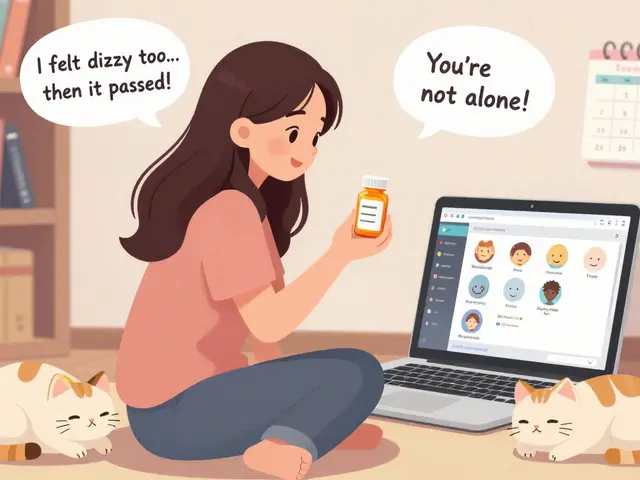
Patient support groups help people overcome fears about generic medications by sharing real experiences. Learn how these communities improve adherence, reduce costs, and build trust through peer stories backed by science.

Learn how online pharmacy counseling helps you find affordable generic medication alternatives. Expert guide on platforms, safety, costs, and benefits.