
When you take a pill isn't just a habit—it's a biological decision. Your circadian rhythm, the internal 24-hour clock that regulates sleep, hormone release, and metabolism. Also known as your biological clock, it controls when your liver processes drugs, when your stomach absorbs them, and even when your blood pressure naturally dips. Ignoring it can turn a safe dose into a risky one.
That’s why timing matters. Blood pressure meds taken at night work better for many people because your body’s natural dip in BP happens while you sleep. Thyroid hormone like levothyroxine? Taking it on an empty stomach in the morning matches your body’s natural hormone surge. Iron supplements? Taking them hours apart from thyroid meds isn’t just advice—it’s physics. Your gut absorbs them differently at different times. Even antidepressants like SSRIs can affect your sleep cycle, and if you’re already struggling with your circadian rhythm, that’s a double hit. Studies show people who take meds in sync with their body clock report fewer side effects and better results. It’s not magic—it’s physiology.
Your sleep-wake cycle, the daily pattern of alertness and drowsiness driven by light and hormones like melatonin isn’t just about feeling tired. It affects how your kidneys filter drugs, how your immune system responds, and even how your pain receptors fire. That’s why some chemo drugs are given at night—they’re more toxic to cancer cells when your body’s repair systems are offline. Diuretics? Taking them too late can mean midnight bathroom trips that wreck your rhythm. And if you’re on statins, taking them at night aligns with when your liver makes the most cholesterol. Your drug absorption, how quickly and completely a medication enters your bloodstream isn’t constant. It shifts with your body’s rhythm. A pill taken at 8 a.m. might be absorbed 30% faster than the same pill taken at 8 p.m.
There’s no one-size-fits-all clock. Shift workers, people with insomnia, or those with chronic conditions like heart failure or depression often have disrupted rhythms—and their meds need to adjust too. That’s why some doctors now ask not just "What are you taking?" but "When are you taking it?" The posts below dig into real cases: how timing iron with thyroid meds prevents absorption issues, why some blood pressure drugs work better at night, and how SSRIs can mess with your sleep cycle. You’ll find practical tips from people who’ve learned the hard way that your body doesn’t keep office hours. Whether you’re managing a chronic condition, fighting side effects, or just trying to get better sleep, understanding your circadian rhythm isn’t optional. It’s the missing piece in your medication plan.

Discover how disrupted sleep and circadian rhythm sabotage weight loss by slowing metabolism and increasing cravings. Learn how timing your meals can help you lose weight without cutting calories.

EU cross-border pharmacy services let citizens buy generic drugs in any member state using digital prescriptions. Learn how ePrescriptions work, where they’re accepted, and what still blocks access in 2026.

Paul Jessup, the ex-managing director of Strand Capital SA, has been disqualified from serving as a company director for nine years. The Insolvency Service found him guilty of misusing funds from Helvetica Investments Ltd, leading to a significant financial shortfall and his subsequent disqualification.
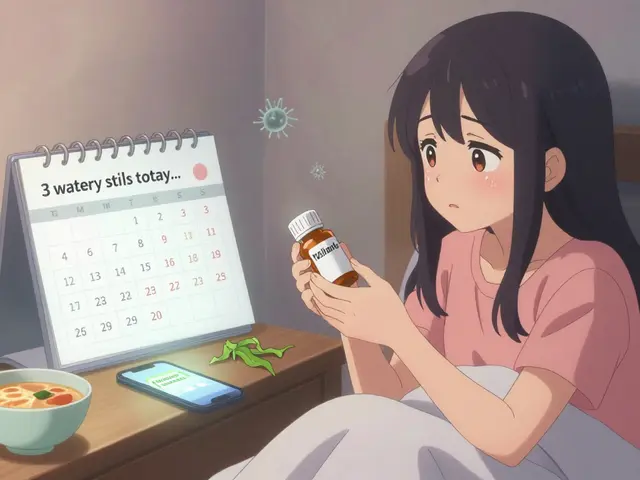
Clindamycin carries a high risk of triggering C. difficile infection, a potentially deadly gut condition. Learn the warning signs, when to seek urgent care, and why safer alternatives often exist.

Generic drugs cost 80-85% less than brand-name drugs because they don’t repeat expensive clinical trials or pay for patent-era marketing. They’re chemically identical, FDA-approved, and save Americans billions every year.

Curious which over-the-counter options stack up against amoxicillin? This article explores 10 OTC antibiotics or drugstore products with similar effects, comparing their efficacy and use. You’ll find interesting facts, tips on choosing the right alternative, and practical stats, all structured for clarity. Get ready for an in-depth, honest look at how drugstore meds measure up to this popular prescription antibiotic. From hidden risks to smart ways to shop, this guide covers what you need before making a decision.