
If you've ever dealt with itchy, red patches on your feet, groin, or anywhere else, you know how annoying a skin fungus can be. Antifungal creams are the go‑to solution for most surface infections because they work straight on the spot, killing the fungus and easing symptoms in days. You’ll find them for athlete's foot, jock itch, ringworm, and even yeast infections. The key thing to remember is that these creams only treat the skin layer – deeper infections need pills or doctor care.
There are a handful of active ingredients you’ll see on the label. Clotrimazole and miconazole are the most common; they stop the fungus from growing by messing with its cell membrane. Terbinafine is a little stronger and often recommended for stubborn athlete's foot. Ketoconazole covers a broader range of fungi and can be useful for yeast‑related rashes. Most over‑the‑counter creams combine one of these actives with soothing agents like aloe or zinc oxide, which helps calm the skin while the medicine does its job.
First, clean and dry the area thoroughly – fungus loves moisture, so a dry surface gives the cream a better chance to work. Apply a thin layer and rub it in gently; you don’t need a thick coat. Use the cream for the full period the package says, even if the itching stops early. Stopping too soon lets the fungus bounce back. If you notice a rash getting worse, spreading, or if you develop fever, stop using the cream and see a doctor.
Buying the right product can feel like a maze. Generic versions cost less and contain the same active ingredients, so they’re a safe bet if you’re watching your budget. Look for reputable pharmacies – whether you shop online or in‑store – and check that the seller requires a prescription for stronger formulas like terbinafine 1%. Reading user reviews can give clues about product quality, but never rely solely on them. If you’re unsure, ask a pharmacist for a recommendation based on the specific infection you have.
In short, antifungal creams are a simple, effective way to kick most skin fungi to the curb. Pick the right active ingredient, follow proper application steps, and stick to the full treatment time. With the right product and a little patience, you’ll be back to itch‑free skin in no time.

Discover how butenafine works to clear jock itch quickly, why it outperforms other antifungals, and practical tips for safe use.
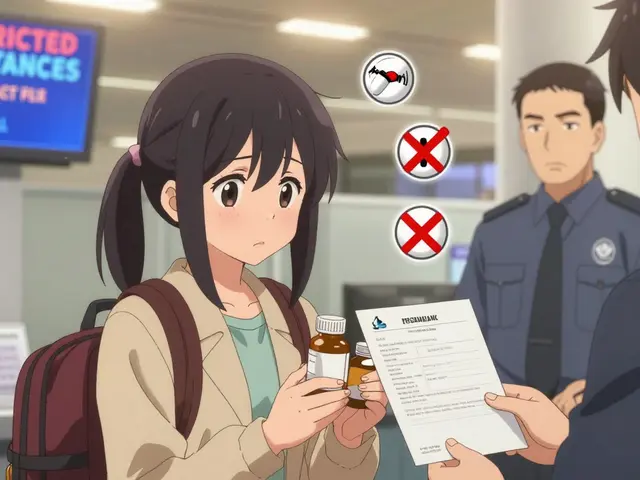
Learn how to safely carry and refill medications abroad, avoid legal trouble, and get local prescriptions when traveling. Essential tips for travelers with chronic conditions, mental health meds, or pain management needs.

Want tretinoin without the runaround? Learn how to buy it online legally in 2025, best places by country, real prices, step-by-step, and red flags to avoid fakes.

Learn how to identify authorized generics by checking packaging, NDC codes, and labeling. Understand why they're identical to brand drugs but cheaper, and how to confirm you're getting the real thing.

Learn how to stop moisture from ruining your pills and capsules with simple storage tips, desiccant use, and packaging advice backed by pharmaceutical research. Protect your meds and ensure they work when you need them.
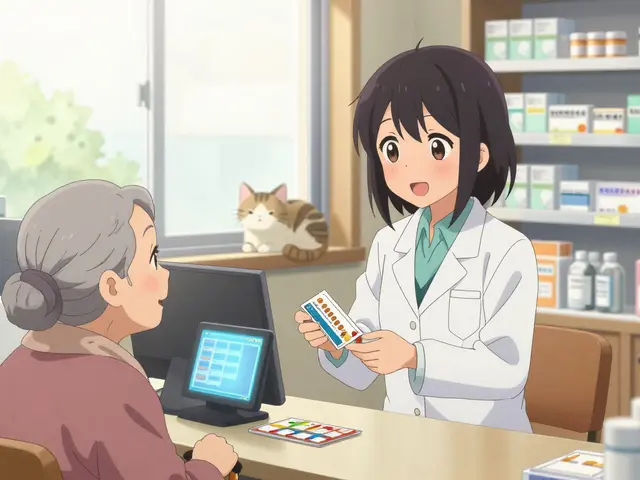
UK substitution laws are reshaping how the NHS delivers medicines and care, pushing generics and remote services to cut costs. But without enough staff and support, these changes risk leaving vulnerable patients behind.